Bathrooms aren’t usually where we expect things to grow. They’re practical rooms—in-and-out spaces. Places for routines, not rest. But if you pay attention, bathrooms already offer the kind of environment some plants quietly wait for—warm air, lingering moisture, and a little privacy from the rest of the house.
The steam after a shower. The soft light through a fogged window. The consistency. For certain houseplants, this isn’t a challenge. It’s familiar. These are plants that don’t just tolerate humidity—they settle into it.
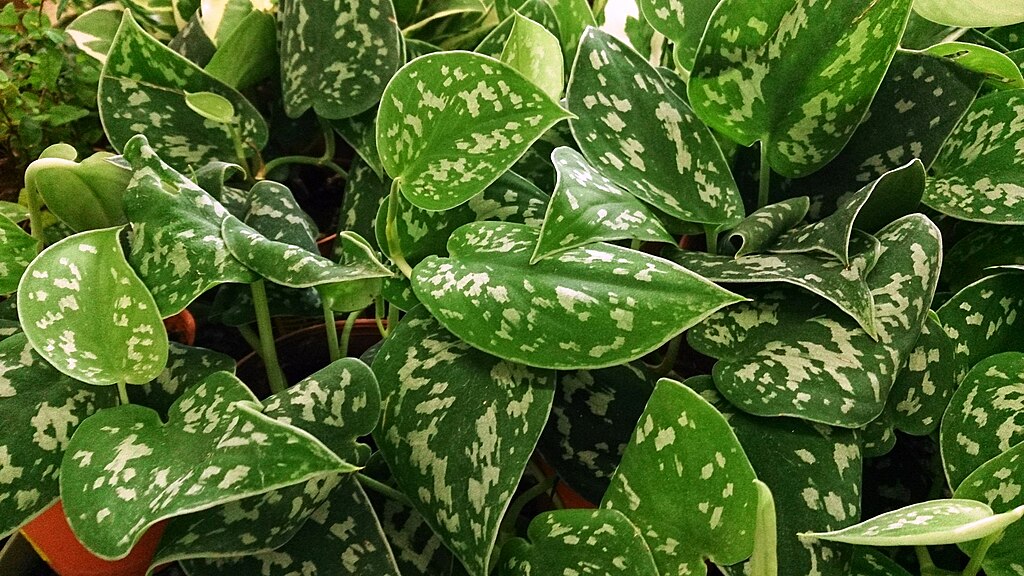
Pothos
Pothos is often the plant people start with, and for good reason. It adapts without protest and grows steadily in conditions that would stress other plants out. In a bathroom, the humidity keeps its leaves looking healthier with less effort.
It does well in indirect light and doesn’t mind being placed a little out of the way, which makes it easy to live with.
Peace Lily
Peace lilies seem made for rooms that are meant to feel calm. They respond well to humidity and handle low to moderate light, which is often exactly what bathrooms provide.
They’re also good at communicating. When they need water, they let you know—no guessing required. Over time, they become part of the rhythm of the room.
Snake Plant
Snake plants are steady. They don’t ask much, and they don’t panic when conditions change. Humidity doesn’t bother them, and low light doesn’t stop them.
In a bathroom, they feel almost intentional—upright, quiet, reliable. A good option if you want green without another thing to manage.
Boston Fern
Boston ferns are one of the clearest examples of a plant that simply prefers humidity. Where they struggle in dry rooms, bathrooms help them hold onto moisture naturally.
Indirect light and consistent damp air keep their fronds fuller and softer. If you’ve ever had a fern decline elsewhere, the bathroom might be the change it needs.
Spider Plant
Spider plants adjust easily and grow comfortably in humid air. Bathrooms help reduce dry leaf tips, which are common in drier spaces.
They fit well on shelves or in hanging planters and don’t require close monitoring to stay healthy.
Calathea
Calatheas notice everything. Dry air affects them quickly, which is why bathrooms often suit them better than living rooms. Humidity helps keep their leaves from curling or crisping.
They prefer consistency—indirect light, steady watering, and an environment that doesn’t swing too dramatically.
Bird’s Nest Fern
Bird’s nest ferns appreciate bathrooms for the same reason many people do: the moisture. Their wide leaves stay healthier when the air isn’t dry.
They prefer indirect light and even watering, and they tend to look fuller when humidity is naturally high.
Orchids
Bathrooms recreate what orchids quietly want—warmth, moisture, and filtered light. Steam from showers can help maintain the humidity they need without extra effort.
They do best in bathrooms with windows, where light stays bright but indirect.
English Ivy
English ivy adapts well to humid air and indirect light. In a bathroom, it often needs less supplemental misting than it would elsewhere.
Aloe Vera
Aloe doesn’t need humidity, but it handles it well—especially in bathrooms with good light. It prefers bright, indirect sunlight and well-draining soil.
It’s best suited to bathrooms with windows, where it can balance moisture with enough light to stay compact.