Some of the most attractive flowers can be surprisingly aggressive, spreading faster than expected and crowding out other plants in your garden.
They often multiply through underground roots, heavy self-seeding, or fast-growing vines, which can push neighboring plants aside and even move beyond garden boundaries. Once they take hold, they can be difficult to remove and may compete with native plants that support local wildlife.
While their blooms are beautiful, it’s important to think about how these plants grow and spread. If left unchecked, they can turn a carefully planned garden into a constant maintenance task. Here are 13 beautiful flowers that are surprisingly invasive and worth considering before planting.
Japanese Honeysuckle (Lonicera Japonica)

Japanese honeysuckle may look enchanting with its delicate, sweetly scented white-to-yellow blooms, but don’t be fooled—this fast-growing vine is quite aggressive. Japanese honeysuckle is a fast-growing, twining vine with fragrant white to yellow flowers.
It outcompetes native vegetation by forming dense mats that smother plants. Left unchecked, it can take over fences, trees, and entire sections of a garden, making it a challenge to control. To get rid of Japanese honeysuckle, regularly cut back the vines and apply a systemic herbicide to the cut stems.
Chinese Wisteria (Wisteria Sinensis)
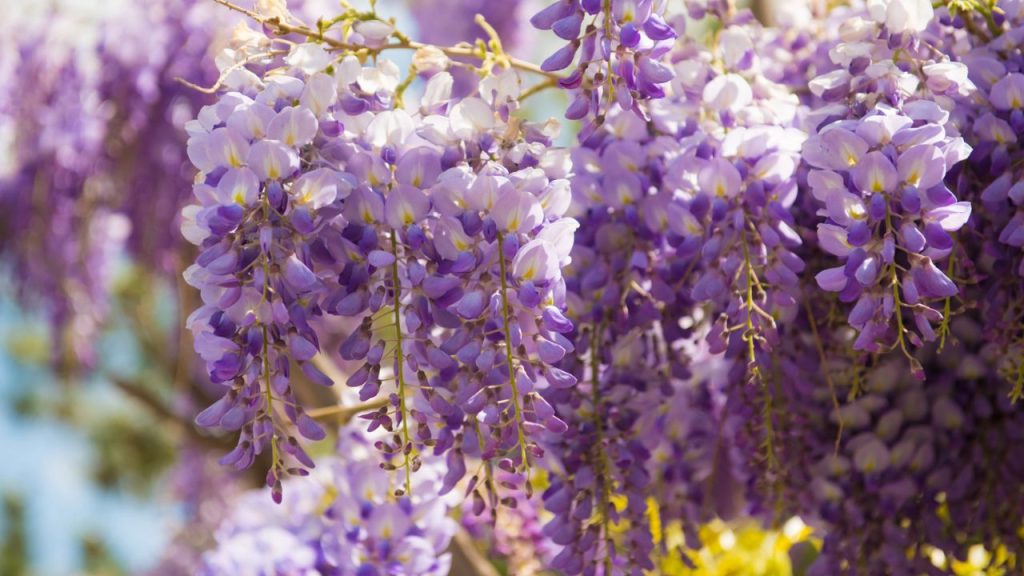
Chinese wisteria is a climbing vine that produces cascading clusters of fragrant purple flowers. Chinese wisteria is undeniably beautiful—but its aggressive growth can quickly turn it into a garden nightmare.
This fast-spreading vine tightly coils around trees, shrubs, and structures, eventually forming dense mats that smother surrounding vegetation. Its ability to outcompete native plants makes it a serious threat to local ecosystems, often leading to the decline of other species.
Controlling Chinese wisteria requires persistence. Cutting back the vines regularly can help keep it in check, but for long-term removal, applying a systemic herbicide to freshly cut stems is the most effective approach.
Bugleweed (Ajuga reptans)

With its rich green, bronze, and purple-hued foliage, bugleweed is eye-catching. This vigorous, low-growing perennial is excellent for suppressing weeds and stabilizing soil, making it a popular choice for erosion control. Thriving in partial to full shade, it fills large, difficult-to-plant areas where other species might struggle.
However, bugleweed doesn’t always know when to stop. Its rapid runners extend far beyond its intended space, quickly overtaking garden beds, lawns, and neighboring plants. While it’s low-maintenance, keeping it under control requires regular trimming and removing unwanted shoots. Because of its aggressive spread, bugleweed is best suited for large spaces where its tendency to take over won’t become a problem.
Lamb’s Ear (Stachys byzantine)
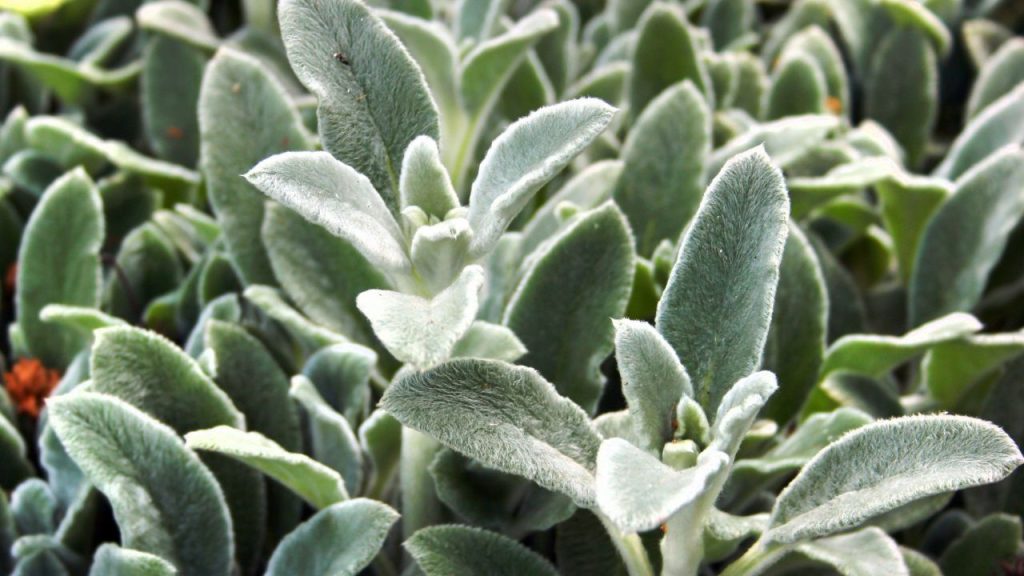
With its velvety, silver-gray leaves, lamb’s ear is quite resilient in the garden. This low-growing perennial quickly forms a dense, soft mat, making it a popular choice for ground cover in sunny gardens. Once established, it thrives in full sun, tolerates moderate drought, and requires little maintenance.
However, its ability to spread rapidly can be both a blessing and a curse. Lamb’s ear readily expands beyond its intended space, crowding out neighboring plants and taking over garden beds if left unchecked. Regular thinning and trimming help keep it in bounds.
Bamboo (Phyllostachys Spp)

There are many types of bamboo plants, and some are more invasive than others. Invasive types can rapidly spread and quickly become an overwhelming force in the garden.
Bamboo plants spread rapidly through underground rhizomes, forming dense thickets that are difficult to control. Bamboo plants can be weakened by cutting down new shoots as they emerge but can be difficult to eradicate altogether.
Japanese Knotweed (Fallopia Japonica)

Japanese knotweed may resemble bamboo with its tall, hollow stems and heart-shaped leaves, but its aggressive spread makes it one of the most troublesome invasive plants. This fast-growing perennial forms dense stands that crowd out native vegetation, disrupt ecosystems, and even damage buildings and infrastructure by pushing through foundations and pavement.
Due to its highly invasive nature, Japanese knotweed is classified as a noxious weed and requires careful management. Its deep, resilient root system makes eradication extremely difficult, often requiring professional intervention. In many areas, its presence must be reported to authorities, who can guide the most effective removal strategies.
Butterfly Bush (Buddleja Davidii)
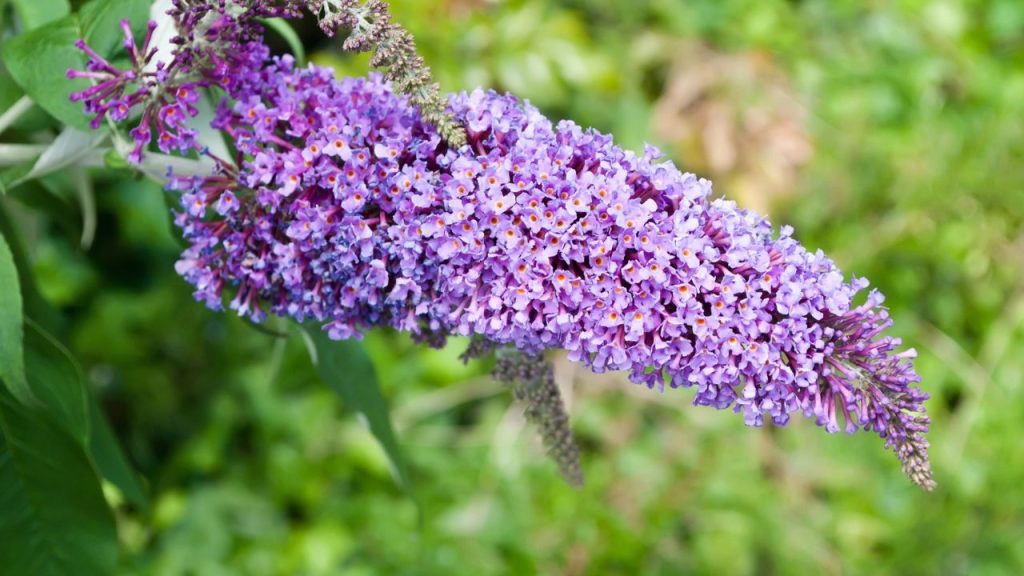
With its fragrant, arching spikes of purple flowers, the butterfly bush is a favorite among pollinators—but its beauty comes with a downside. This fast-spreading shrub produces an abundance of seeds that disperse widely, allowing it to take root in disturbed areas and outcompete native plant life. Butterfly bush can be challenging to control, quickly dominating landscapes and reducing biodiversity.
English Ivy (Hedera Helix)

English ivy’s dark green, glossy leaves make it a popular choice for ground cover and climbing accents, but don’t be fooled because its rapid growth can quickly become a major problem.
This evergreen vine aggressively climbs trees, forming thick canopies that block sunlight and weaken or kill understory plants. It can overwhelm gardens, forests, and even structures.
Cutting back the vines won’t stop its spread—its dense root system must be completely dug out to prevent regrowth.
Japanese Barberry (Berberis Thunbergii)

Japanese barberry may add a pop of color to the landscape with its red or green leaves and bright red berries – but its aggressive growth makes it a troublesome invader. This thorny shrub forms dense thickets that outcompete native plants, disrupting local ecosystems and reducing biodiversity.
Privet (Ligustrum spp.)
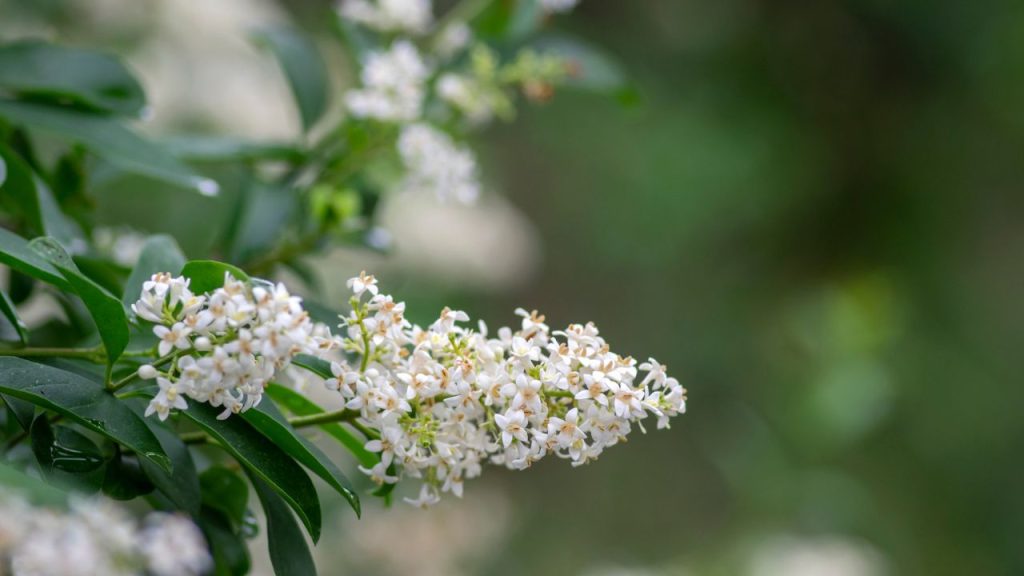
Privet forms dense thickets of growth bearing small, dark green leaves and white flowers. This shrub was often grown as an ornamental hedge but spread quickly, crowding out native vegetation. Vigorous pruning can slow growth, but herbicide is usually the only way to eliminate privet.
Periwinkle (Vinca Minor)

Periwinkle is a trailing evergreen plant with glossy leaves and blue-violet flowers. Although this plant is very pretty, it spreads rapidly, forming dense ground cover that suppresses native plants.
If you want to get rid of it, repeated pulling or mowing can help weaken it over time, but its aggressive growth requires persistent effort to keep it in check. Without regular maintenance, this seemingly charming plant can take over garden beds, forested areas, and open spaces, outcompeting native vegetation.
Autumn Olive (Elaeagnus Umbellata)

Autumn olive is a deciduous shrub with silvery leaves and small red berries. The vigorous growth of autumn olive crowds out other plants, and it can also disrupt the nutritional balance of the soil. The most effective way to get rid of autumn olives is to cut down the shrubs and treat the stumps with herbicide.
Burning Bush (Euonymus Alatus)

Burning bush, named for its bright red foliage in fall, is a shrub that grows in dense thickets. Birds spread the seeds, and they quickly outgrow native plants. To control burning bush, pull out smaller plants by the roots and cut back larger plants before they go to seed.