
Erosion control is one of the most pressing challenges in landscaping, especially when dealing with steep slopes prone to soil loss. Erosion is a natural process that affects all types of terrain, often accelerated by water runoff, wind, and human activities such as deforestation, plowing, over-tilling, excessive irrigation, mining, and construction.
If you’re struggling with erosion in your yard, selecting the right ground covers and shrubs can make a significant difference. These plants enhance your landscape’s beauty and help develop strong root systems that anchor the soil and prevent further loss.
Managing erosion can feel overwhelming, as shifting soil makes it difficult to maintain stability and control weeds. However, these plants offer a simple yet effective solution by forming a dense, spreading layer that holds the soil in place. Their low-growing foliage slows the impact of heavy rain, reducing runoff and keeping nutrients where they belong.
Here are some of the best options to consider.
Creeping Thyme (Thymus serpyllum)

Creeping thyme is a resilient and visually appealing ground cover that effectively helps combat soil erosion. Its low-growing, spreading habit creates a thick, mat-like layer of lush green foliage that helps to stabilize the soil. During the summer, it bursts into delicate, fragrant flowers, attracting pollinators and adding subtle beauty to the garden. Highly adaptable, creeping thyme thrives in dry conditions, withstands heavy foot traffic, and requires minimal maintenance—making it an excellent alternative to traditional grass.
Once fully established, creeping thyme requires little attention, offering a long-lasting, drought-tolerant solution for erosion control while adding texture and color to your outdoor space.
Bugleweed (Ajuga reptans)

Bugleweed is a vigorous, fast-spreading ground cover known for its striking foliage ranging from deep green to bronze and rich purple tones. This low-growing perennial is visually appealing and highly effective in suppressing weeds and stabilizing soil, making it an excellent choice for erosion control.
Thriving in partial to full shade, bugleweed is particularly useful for filling large, shaded areas where other plants may struggle to grow. It’s low-maintenance, but since this plant is a rapid grower, it’s important to keep an eye on its runners, as they can quickly extend beyond the intended space.
Regular trimming or removal of unwanted shoots can help manage its spread. Due to its aggressive growth habit, bugleweed is best suited for large areas or spaces where its natural tendency to take over won’t be an issue.
Periwinkle (Vinca minor)

Periwinkle, often called creeping myrtle, is a vigorous ground cover known for its glossy green foliage and delicate blue or purple blooms. Spreading quickly, it thrives in shady areas where other plants may struggle, creating a lush, low-maintenance carpet of greenery. Its ability to establish itself rapidly makes it a popular choice for erosion control in shaded landscapes.
Forsythia
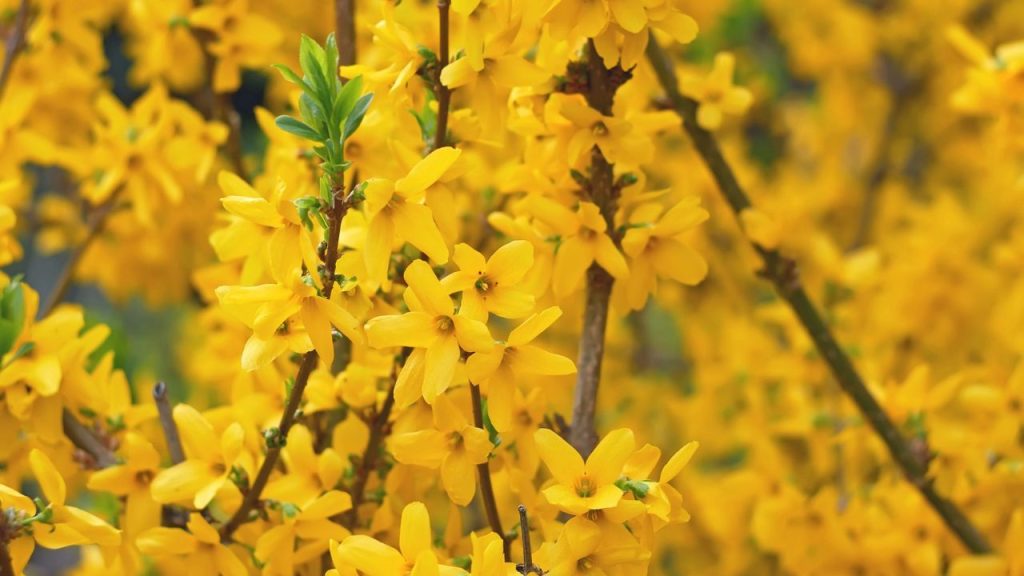
Although commonly recognized as a shrub, weeping forsythia is also highly effective for erosion control. Its gracefully arching branches naturally take root where they touch the soil, forming a dense, stabilizing ground cover that helps anchor loose earth.
This natural spreading habit makes it particularly useful for preventing soil loss on slopes and embankments. Beyond its practical benefits, weeping forsythia also brings early-season beauty to the landscape, bursting into soft yellow blooms each spring. Its resilience and aesthetic appeal make it a valuable addition to erosion-prone areas.
Lamium (Lamium maculatum)

Lamium, or dead nettle, is an excellent ground cover for erosion control, especially in shaded areas where soil stability can be challenging. Its dense, spreading foliage helps anchor the soil, reducing runoff and preventing erosion on slopes and bare patches under trees. With its variegated leaves and delicate clusters of pink, purple, or white flowers, Lamium protects the soil and adds a bit of color to the landscape.
It is drought-tolerant and requires minimal upkeep. Its ability to suppress weeds and hold the soil in place makes Lamium a practical and attractive solution for erosion-prone areas.
Creeping Juniper

Although often considered a shrub, creeping juniper is an excellent ground cover for erosion control, particularly on slopes and rocky terrain. Its dense, spreading growth habit helps anchor soil, reducing runoff and stabilizing areas prone to erosion. This hardy, low-growing plant thrives in poor soil conditions, making it a practical choice for difficult landscapes where other plants may struggle to establish roots.
Creeping juniper is highly drought-tolerant and adapts well to various soil types, requiring minimal maintenance once established. Its deep root system further enhances soil stability, preventing displacement even in dry or windy conditions.
Creeping Phlox (Phlox subulata)
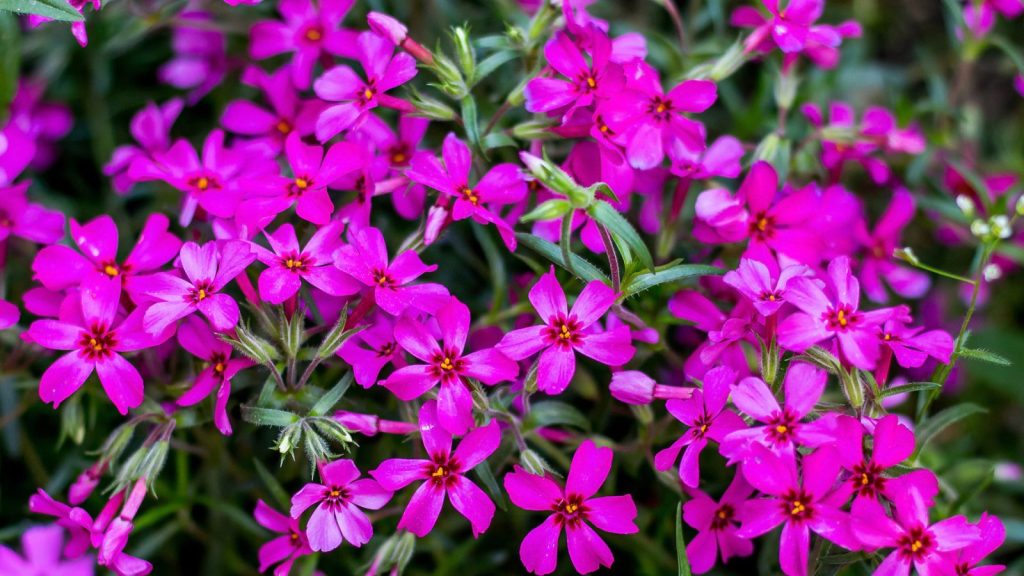
Creeping phlox is a hardy, low-growing perennial that bursts into a vibrant display of small, star-shaped flowers in shades of pink, purple, white, and blue. Spreading effortlessly to form a thick, carpet-like mat, it provides both beauty and functionality in the landscape. This resilient plant thrives in rocky gardens, pathways, and slopes, where its dense foliage helps prevent soil erosion and suppresses weeds. In addition to its striking blooms, creeping phlox is highly disease-resistant and can endure light foot traffic, making it a practical and eye-catching choice for filling gaps between stepping stones or cascading over retaining walls.
Its adaptability to various soil conditions and low maintenance make it an excellent option for gardeners looking to add color and texture to their outdoor spaces. Once established, creeping phlox requires minimal care and thrives in full sun with well-draining soil. Whether used as a ground cover, border plant, or erosion-control solution, this resilient bloomer adds lasting charm to any garden setting.
Lilyturf (Liriope muscari)

Big blue lilyturf forms clumps of grass-like foliage topped with small,
Lilyturf is useful for erosion control because it grows nicely where other plants may not. This perennial will spread via tuberous roots and multiply quickly, helping with erosion problems.
European Wild Ginger

European wild ginger forms a dense, carpet-like ground cover with its glossy, heart-shaped leaves, making it an excellent choice for erosion control in shaded areas. Its thick foliage helps stabilize soil by reducing runoff and preventing erosion, particularly in woodland gardens or sloped landscapes.
While its small, reddish-purple flowers bloom discreetly at ground level, the plant’s true appeal lies in its lush greenery and aromatic roots, emitting a ginger-like scent when disturbed.
Creeping Mazus (Mazus reptans)

Creeping mazus is a vigorous ground cover that quickly spreads to form a dense carpet of lush green foliage with tiny purple or white flowers.
Its fast growth makes it an excellent choice for stabilizing soil on slopes and in erosion-prone areas, particularly in spots that receive full sun or partial shade. By anchoring the soil and reducing runoff, creeping mazus helps prevent erosion while adding a delicate, colorful touch to the landscape.
Virginia Creeper

Virginia Creeper is a vigorous, fast-growing vine that thrives in a variety of soil types, making it a valuable choice for erosion control. With its ability to establish quickly and spread across large areas, it effectively holds soil in place, reducing runoff and stabilizing slopes prone to erosion. Its dense growth provides an added layer of protection, especially in areas where loose or exposed soil is at risk of washing away during heavy rainfall.
This adaptable vine quickly climbs trellises, fences, and walls. However, when left unsupported, it sprawls across the ground, serving as natural ground cover that protects the soil from wind and water erosion.
Dianthus

Dianthus serves as an excellent ground cover, particularly in areas prone to soil erosion. Its dense, mat-forming growth helps anchor the soil, reducing runoff and preventing displacement caused by wind or heavy rain.
Thriving in full sun and well-drained soil, dianthus is an appealing choice for erosion control in gardens, slopes, and borders.
Calamint

Calamint is a fragrant, sun-loving ground cover that produces clusters of tiny, delicate flowers, making it a beautiful and practical addition to erosion-prone landscapes.
Its ability to establish quickly while maintaining a controlled spread makes it an excellent choice for stabilizing sloped gardens, particularly in zones 5-9. Unlike true mints, calamint does not aggressively take over an area, allowing it to provide reliable soil coverage without becoming invasive.
Ideal for erosion control, calamint thrives in well-drained soil and requires minimal upkeep once established. Its drought tolerance and resilience make it well-suited for dry, sloped areas where soil retention is essential. Additionally, its minty aroma and nectar-rich blooms attract pollinators such as bees and butterflies, enhancing biodiversity while helping prevent soil erosion.
Creeping Jenny (Lysimachia nummularia)

Creeping Jenny is an aggressive, fast-spreading ground cover that stabilizes soil and prevents erosion. Its trailing stems form a thick, low-growing mat that anchors the soil, reducing runoff and minimizing the risk of washouts, particularly in sloped or moisture-prone areas. Covering bare ground quickly helps prevent soil displacement caused by heavy rains and wind, making it an excellent option for erosion-prone landscapes.
Beyond its erosion-control benefits, Creeping Jenny thrives in both sun and partial shade and adapts well to various soil conditions. Its vibrant green foliage adds a lush, carpet-like effect to gardens. At the same time, its ability to retain moisture makes it particularly effective in areas where soil erosion is a persistent issue.