If deer are regular visitors to your yard, you’ve probably felt the disappointment of seeing your flowers chewed down to stubs. While barriers and sprays have their place, there’s a simpler and more sustainable approach—planting blooms that deer typically turn their noses up at.
Just like us, deer have their own tastes, and some flowers simply don’t make the cut. While no plant is entirely off the menu, certain annuals are much less tempting. By planting varieties deer tend to avoid, you can fill your garden with bold color and life—without constantly worrying about it becoming a salad bar.
Here are 15 annual flowers that bring charm to your garden and are usually safe from curious grazers.
Cleome
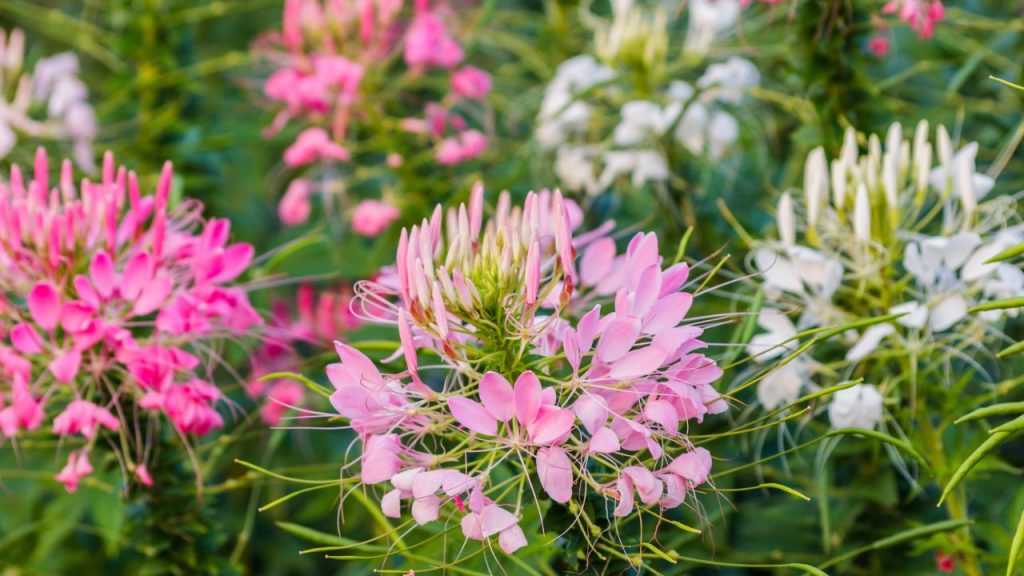
Cleome, also known as the spider flower, brings a touch of wild elegance to any garden. It’s a wise choice for gardeners dealing with deer. Thanks to its strong scent and slightly sticky foliage, cleome is typically left untouched by browsing deer, making it a reliable option for deer-prone areas.
Strawflower

Strawflowers are resilient flowers that thrive in warm, dry climates and prefer well-drained, average soil. They are a low-maintenance choice for long-lasting beauty and are deer-resistant. Their blooms are available in a range of colors, including shades of yellow, pink, orange, and red.
Cosmos (Cosmos Bipinnatus)
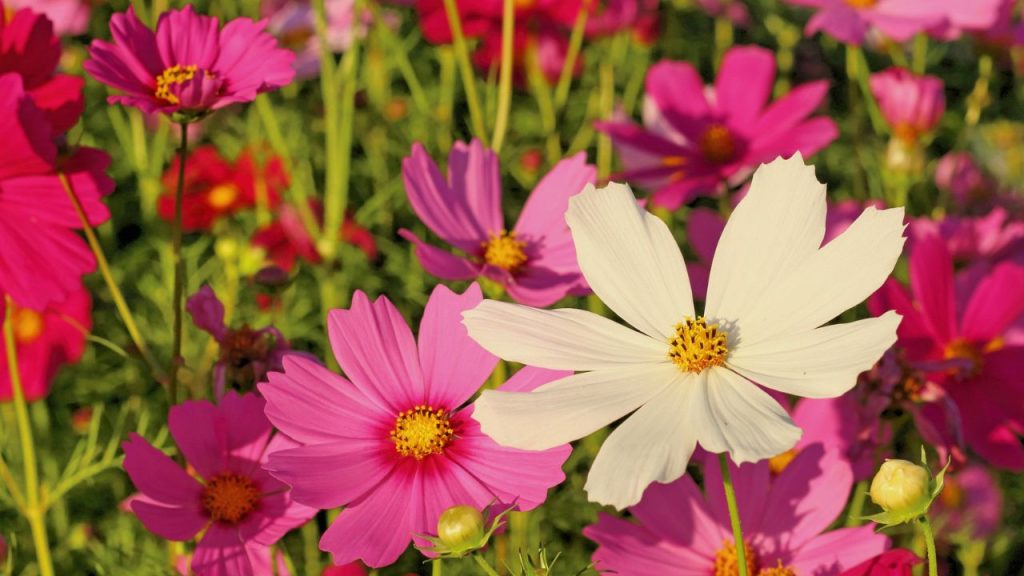
Famed for its colorful daisy-like flowers atop mounds of bushy fern-like foliage, Cosmos will add color to your garden from early summer right into fall. The flowers come in a variety of colors, including pink, white, red, orange, and purple.
Plant Cosmos in a sunny location with well-drained soil, and water thoroughly until it is established. This drought-tolerant plant thrives in zones 2-11, particularly in hot climates.
Salvia

Salvia plants are known for their spikes of violet, blue, white, or pink flowers. They are drought-tolerant, deer-resistant, and prefer full sun.
Snapdragon (Antirrhinum Majus)

Unlike most fast-growing annuals, Snapdragons produce most of their flowers in the cooler months of spring and fall. The tall spikes of tubular flowers come in a range of colors, adding height and interest to your ornamental flower garden.
Snapdragons prefer full sun or partial shade and should be planted in fertile, well-draining soil and watered regularly. They are deer resistant but grow best in zones 4-11.
Sweet Pea (Lathyrus Ooratus)

Sweet Peas climb and vine their way upwards throughout the summer, producing fragrant flowers in shades of pink, purple, and red. This fast-growing annual is ideal for growing on a trellis or fence and will continue to flower for several months if deadheaded regularly.
Sow Sweet Pea seeds directly into fertile soil in a well-draining, sunny spot. This fast-growing annual flower will keep the deer far away.
Lantana

This sun-loving perennial is treated as an annual in cooler climates but is hardy in zones 9-11. Its clusters of small, brightly colored flowers can attract butterflies and hummingbirds while deterring deer, making it a perfect addition to any garden.
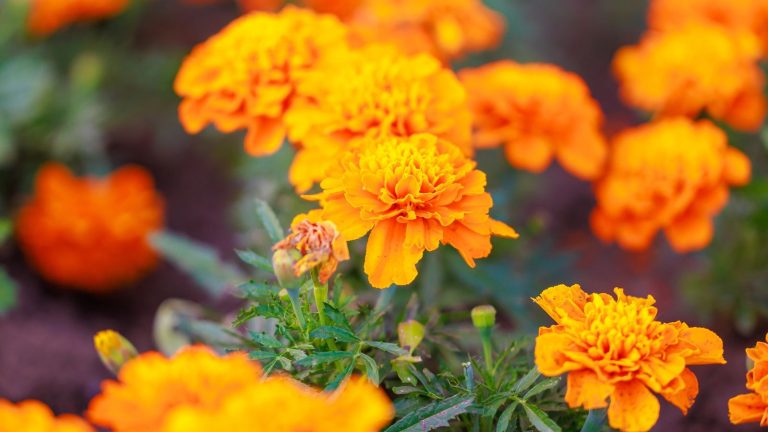
Marigold (Tagetes Spp.)

A kitchen garden classic,
Marigold plants prefer full sun and well-drained soil. They require regular watering until well-established, but can tolerate hot, dry conditions.
Calendula

Calendula is a vibrant and cheerful plant that adds a bright touch to any garden. Plant it in early spring to enjoy its vibrant flowers from late spring until early summer.
Calendulas are easy to grow in well-drained soil and thrive in gentle sunlight. They also help control pests and deter deer and rabbits, making them beneficial for protecting vegetable gardens.
Zinnias

Zinnias are a garden classic. Their bushy plants produce large, colorful flowers in shades of red, orange, and yellow from early summer to fall. They thrive in full sun and well-drained soil, and regular watering helps establish a long season of blooms.
Verbena (Verbena officinalis)

Verbena is a tall, airy plant that can be grown as an annual, perennial, or subshrub. It thrives in rocky, well-drained soils. It prefers full sun and is hardy in USDA zones 7 to 10 (as a perennial) and zones 1 to 6 (as an annual). Verbena’s clusters of purple flowers attract butterflies, discourage deer, and add vertical interest to gardens.
Sweet Alyssum (Lobularia Maritime)

Sweet Alyssum is a low-growing plant that produces a carpet of tiny flowers in white, pink, and purple shades. Its strong fragrance attracts insect life that can help keep garden pests at bay.
Sow Sweet Alyssum in well-drained soil in full sun to partial shade. It tolerates poor soil and drought well and can be grown in zones 5-11.
California Poppy (Eschscholzia Californica)

California Poppy boasts large orange flowers that add a vibrant splash of color to your garden. The blue-green foliage creates an interesting contrast with other flowering plants, and it will self-seed easily year after year.
Grow California Poppies in full sun in well-drained soil. This plant tolerates drought well when established and thrives in zones 6-11.
Nasturtium (Tropaeolum Majus)
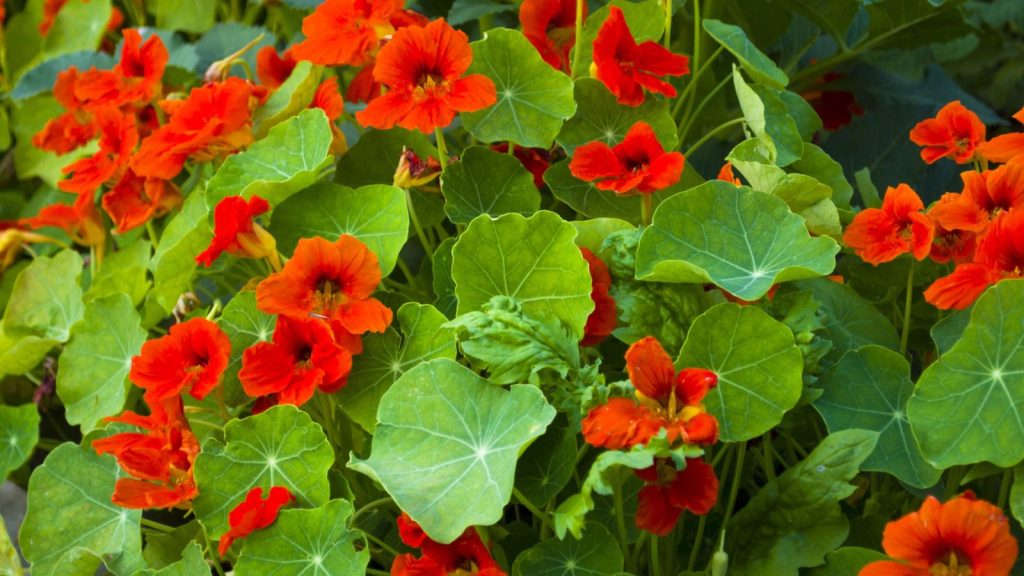
Nasturtium is a trailing plant that produces mounds of bright green leaves and an array of flowers in shades of orange, yellow, and red. Its sprawling growth habit makes it great for quickly covering bare soil, but it can crowd out smaller plants.
Plant
Globe Amaranth (Gomphrena Globose)

The globe-shaped flower heads of Globe Amaranth produce a pompom-like carpet of blooms in vibrant shades of pink, purple, and red. This fast-growing annual will thrive in containers and ornamental gardens with little maintenance.
Globe Amaranth should be grown in full sun in well-drained soil. Grown as an annual in zones 2-11, this rapidly growing plant can tolerate drought and will attract clouds of butterflies to your garden.