
A well-stocked pantry does more than make weeknight meals easier. It can help you save money, cut down on food waste, and give you peace of mind during storms, power outages, or other unexpected situations. But simply buying extra groceries isn’t enough if they spoil before you can use them.
A few smart storage habits can help your food stay fresh much longer. Whether you’re building a small emergency supply or stocking up on everyday staples, these practical tips will help your pantry go further.
Store Food in More Than One Place
Keeping all of your emergency food in a single location isn’t always the best idea. If one area becomes inaccessible because of flooding, leaks, pests, or another problem, you could lose a large part of your supply.
If you have the space, divide your stock between a pantry, basement, closet, or another cool, dry location. Spreading things out also makes it easier to organize larger supplies.
Related: 13 Items to Keep Stored for Unexpected Food Shortages
Wait to Wash Fresh Produce
It may seem like washing fruits and vegetables before putting them away saves time, but extra moisture often causes produce to spoil sooner.
Store produce dry and wash it just before you’re ready to eat or cook it.
Rotate Your Pantry Regularly
One of the easiest ways to reduce waste is to use the oldest items first. Place newly purchased food behind older products so nothing gets forgotten in the back of the shelf.
This simple habit keeps your pantry fresh and helps prevent expired food from piling up.
Label Everything
It’s easy to forget when you bought certain foods, especially if you stock up during sales.
Write the purchase month and year on cans, boxes, jars, and storage containers with a permanent marker. A quick glance will tell you which items should be used first.
Related: 23 Everyday Grocery Items Worth Stocking Before a Food Shortage
Learn Basic Canning
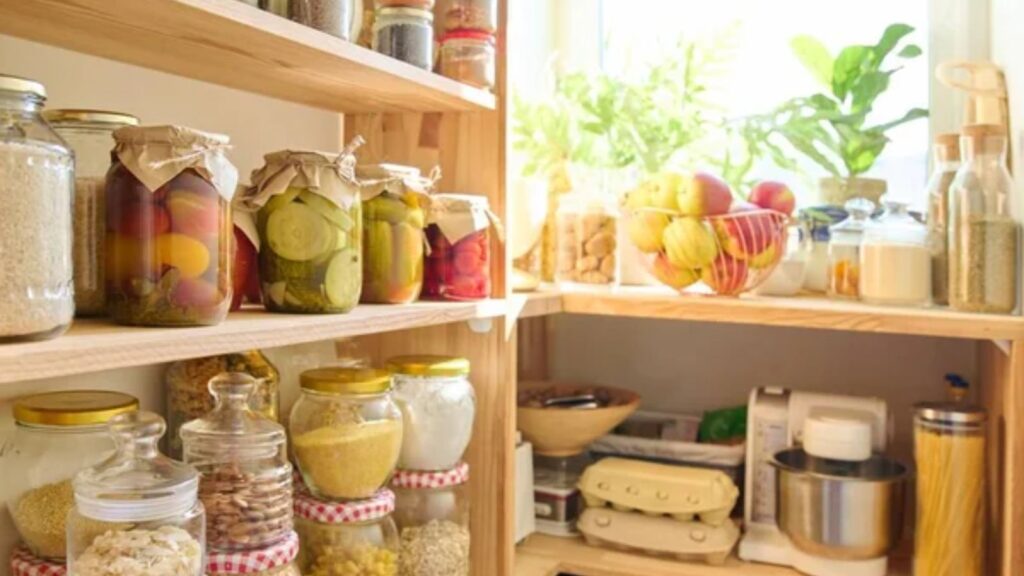
Home canning lets you preserve fruits, vegetables, jams, sauces, and some meats for much longer than refrigeration alone.
It’s especially useful if you grow your own produce or like buying fruits and vegetables while they’re in season and less expensive.
Transfer Opened Foods to Airtight Containers
Once a package has been opened, air and moisture begin shortening its shelf life.
Move foods like flour, rice, cereal, pasta, sugar, and crackers into airtight containers to help keep them fresh and protect them from insects.
Choose Clear Storage Containers
Clear containers make it easy to see exactly what you have without opening every lid.
When food stays visible, you’re more likely to use it before it goes stale or expires.
Keep Salt on Hand
Salt has been used to preserve food for centuries. It helps draw moisture out of certain foods, making it harder for bacteria to grow.
While most people won’t preserve meat at home using traditional methods, salt is still useful for pickling vegetables and preserving other foods.
Don’t Forget About Sugar
Sugar also works as a natural preservative. That’s one reason homemade jams, jellies, and fruit preserves can last so long when prepared correctly.
Keeping sugar in your pantry gives you another option for preserving seasonal fruit.
Freeze-Dry Foods When Possible
Freeze-drying removes moisture while keeping much of the food’s original texture and nutrition.
Properly packaged freeze-dried foods can stay fresh for many years, making them a popular choice for long-term food storage.
Dehydrate Fruits, Vegetables, and Herbs
Removing moisture helps slow spoilage and reduces the space food takes up during storage.
Herbs, apples, bananas, onions, tomatoes, and many other foods dehydrate well and can be stored for months in airtight containers.
Related: How to Make Dehydrated Onions
Keep an Eye on Expiration Dates
Check your pantry every few months and move foods nearing their best-by date to the front.
Keep in mind that many shelf-stable foods remain safe after the printed date if they’ve been stored properly. If packaging is damaged or the food smells, looks, or tastes unusual, it’s safest to throw it away.
Freeze Meat You Won’t Use Soon
If you don’t plan to cook fresh meat within a few days, place it in the freezer as soon as possible.
Wrapping it well or using vacuum-sealed bags helps prevent freezer burn and keeps the meat in better condition for longer storage.
Keep an Inventory
As your pantry grows, it’s easy to lose track of what you already have.
A simple notebook, printed checklist, or spreadsheet can help you track quantities, purchase dates, and storage locations. Keeping an updated inventory also helps prevent buying duplicates and makes meal planning much easier.