If you have even a small piece of land, planting trees can be one of the smartest choices you make for long-term independence. Trees take time to grow, but once established, they can provide valuable resources for many years.
The right trees will depend on your climate, soil, and the amount of care you can provide. Some produce food, others offer medicine, building materials, fuel, or protection from the elements. A well-planned collection of trees can turn your property into a steady source of useful supplies.
These trees are worth considering for anyone who wants to prepare for emergencies, create a more self-sufficient homestead, or simply make better use of their land.

1. Apple Tree
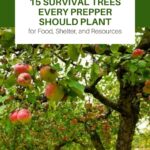
Apple trees are one of the most practical fruit trees to grow. They provide a dependable harvest of nutritious fruit that can be eaten fresh, dried for storage, or turned into juice, cider, and applesauce.
Apples can also help stretch your food supply. Applesauce works as a natural sweetener and can replace sugar in some recipes. With proper care, apple trees can produce fruit for many years.
Related: How to Prune Apple Trees
2. Walnut Tree
Walnut trees provide a valuable source of calories, protein, healthy fats, and nutrients. The nuts can be stored for months, making them useful during times when fresh food is harder to find.
Walnut oil has many uses, including cooking and natural remedies. The tree’s wood is also highly prized for its strength and durability, making it useful for furniture, tools, construction projects, and firewood.
3. Pine Tree
Pine trees are useful far beyond their appearance. Many varieties produce edible pine nuts that provide a high-energy food source. Pine needles can also be brewed into tea that contains vitamin C.
The resin from pine trees has many traditional uses, including making waterproof materials and helping protect minor cuts and wounds. Pine wood grows quickly and can be used for building, repairs, and fuel.
Related: 10 Small Trees With Big Curb Appeal
4. Oak Tree
Oak trees have supported people for centuries because of their many uses. Acorns can be collected, processed, and turned into flour after removing the bitter tannins. This creates a nutritious ingredient for baking and cooking.
Oak wood is strong, long-lasting, and useful for shelters, furniture, tools, and firewood. A mature oak tree can continue providing resources for generations.
5. Pawpaw Tree
Pawpaw trees are a great choice for those looking for a hardy fruit tree with little maintenance. Their large, sweet fruit has a tropical flavor and provides vitamins, minerals, and calories.
Once established, pawpaw trees can produce reliable harvests each year. They are a valuable addition to gardens and food forests because they can grow well with limited attention.
Related: 22 Trees You Should Never Grow In Your Yard
6. Maple Tree
Maple trees are best known for producing
Maple wood is also strong and burns well, making it useful for woodworking projects and firewood. A maple tree can provide both food and practical materials.
7. Mulberry Tree
Mulberry trees are productive fruit trees that can provide large amounts of sweet berries. The fruit can be eaten fresh, dried, or made into jams and preserves.
The leaves are also valuable because they are the main food source for silkworms. Mulberry trees attract birds and other wildlife, which can make your property more appealing to animals.
Related: 21 Problematic Trees You Should Never Grow in Your Yard
8. Hazelnut Tree
Hazelnut trees produce nutrient-rich nuts that are easy to harvest and store. They require less water than many other nut trees, making them a practical choice for areas with limited rainfall.
Their dense growth also makes them useful as natural windbreaks, privacy barriers, and hedges around a property.
9. Black Locust Tree
Black locust trees are known for their strong, rot-resistant wood. The timber is excellent for fence posts, outdoor projects, and firewood because it burns for a long time.
The flowers attract bees and other pollinators, which can benefit gardens and fruit trees nearby. Black locusts also help reduce soil erosion because of their deep root systems.
10. Cherry Tree
Cherry trees provide delicious fruit that can be eaten fresh, preserved, or used in cooking. The harvest can add variety to your food supply.
Cherry wood is highly valued for crafting and makes excellent firewood. It is also commonly used for smoking meats because it adds a pleasant flavor.
11. Elderberry Tree
Elderberry trees produce small berries that are packed with antioxidants. The berries can be used for syrups, jams, teas, and traditional remedies.
These trees are also attractive to birds and can add another useful plant to a self-sufficient property.
12. Citrus Tree (Orange, Lemon, and Similar Varieties)
Citrus trees provide fruit rich in vitamin C, which is important for maintaining good health. Oranges, lemons, and other citrus fruits can be eaten fresh, preserved, or used to add flavor to meals.
For those with limited space, dwarf citrus varieties can be grown in large containers, making them suitable for patios, balconies, or small yards.
13. Persimmon Tree
Persimmon trees produce sweet, calorie-rich fruit that can be eaten fresh or dried for storage. The fruit also provides vitamin C and other nutrients.
The wood from persimmon trees is dense and durable, making it useful for tools, woodworking projects, and fuel.
14. Chestnut Tree
Chestnut trees provide an excellent food source because their nuts are high in carbohydrates and B vitamins. The nuts can be roasted, dried, or added to many meals.
Chestnut wood is resistant to rot and has been used for construction, fencing, and other outdoor projects.
15. Willow Tree
Willow trees are among the most useful trees for practical purposes. The bark contains salicin, a natural compound traditionally used for pain relief.
The flexible branches can be woven into baskets, fences, and other useful items. Willow trees also grow quickly, making them a renewable source of material for crafts, repairs, and other needs.
Planting trees today is an investment that pays off over time. A single tree can provide food, materials, shelter, and other resources for years, making it one of the most valuable additions to any piece of land.