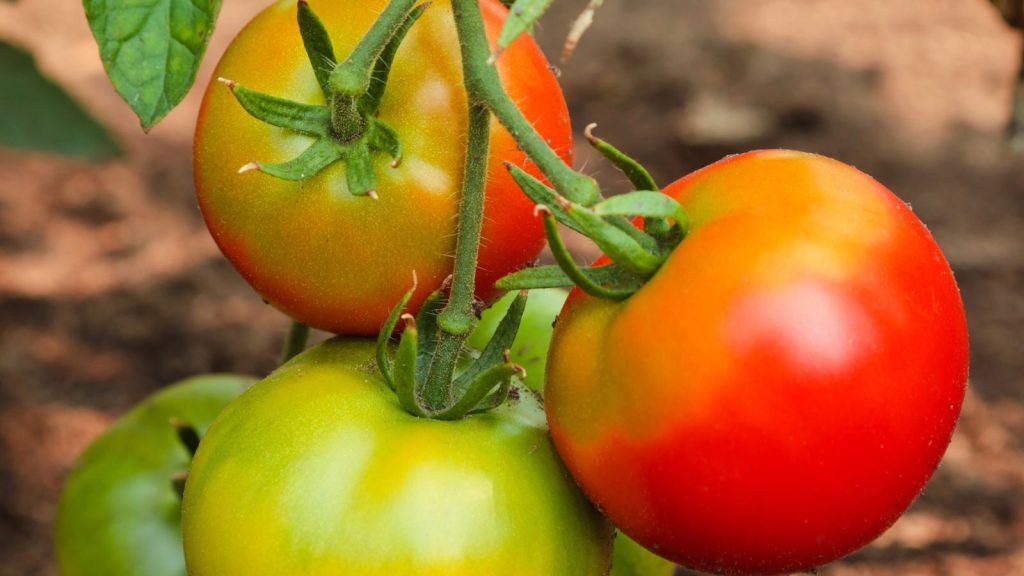
There’s nothing quite like picking a ripe tomato straight from the vine. After weeks of watering, feeding, and watching your plants grow, waiting for those green fruits to finally turn red can test anyone’s patience. Sometimes they ripen right on schedule. Other times, they seem stuck in the green stage for weeks.
Most tomato varieties take about six to eight weeks to ripen after pollination, though the timing depends on the variety and the weather. If your tomatoes aren’t changing color, one of these common problems could be slowing them down.
Overcrowding
Tomato plants need room to grow. When they’re packed too closely together, they compete for sunlight, water, and nutrients. Poor airflow also creates extra stress, which can slow fruit development.
Giving each plant enough space allows it to put more energy into producing and ripening healthy tomatoes.
Lack of Nutrients
Tomatoes are heavy feeders and need a steady supply of nutrients throughout the growing season. Phosphorus and potassium are especially important once fruits begin forming.
Without enough of these nutrients, tomatoes may stay green longer because the plant struggles to produce lycopene, the pigment that gives ripe tomatoes their red color.
Extreme Temperatures
Tomatoes ripen best when daytime temperatures stay between 70°F and 75°F.
When temperatures climb above 85°F, the plant slows lycopene production, making it difficult for fruit to develop its red color. Cold weather can also delay ripening. Once temperatures drop below 50°F, the plant’s natural processes slow down, leaving tomatoes green for much longer than expected.
Too Much Direct Sun
Tomatoes enjoy sunny weather, but intense summer heat can become a problem.
Fruit doesn’t actually need direct sunlight to ripen. Heat plays a much bigger role. During heat waves, tomatoes exposed to blazing afternoon sun can become too warm, slowing the production of the pigments responsible for ripening.
Not Enough Sunlight
Too little sunlight creates a different problem. Tomato plants need at least eight hours of sunlight each day to produce enough energy for healthy growth and fruit development.
Plants growing in deep shade or receiving only a few hours of light often produce fewer tomatoes, and those fruits usually ripen much more slowly.
Too Much Nitrogen
Nitrogen helps tomato plants grow lush, green leaves, but too much of it works against fruit production.
If your fertilizer contains a high percentage of nitrogen, the plant may keep producing stems and foliage instead of focusing on ripening tomatoes. Once fruit begins forming, switch to a fertilizer with more phosphorus and potassium and avoid feeding more than necessary.
The Variety You’re Growing
Some tomatoes simply take longer than others.
Cherry tomatoes often ripen weeks before large beefsteak or heirloom varieties. If you’re growing a late-season tomato, it may just need more time. Checking the expected days to maturity for your variety can help set realistic expectations.
Poor Pollination
Poor pollination early in the season can affect how fruit develops later.
Tomato flowers are capable of pollinating themselves, but bees and other pollinators help shake loose the pollen needed for good fruit set. Plants grown indoors or in enclosed spaces sometimes struggle because they don’t receive enough natural pollination.
The Wrong Climate
Some tomato varieties aren’t suited for every region.
Gardeners with short growing seasons should choose early-maturing varieties that can finish before cool weather arrives. If a long-season tomato is planted where summer ends too soon, the fruit may never fully ripen on the vine.
Disease or Pest Damage
Diseases such as blight, along with insect damage or sunscald, place extra stress on tomato plants.
Instead of putting energy into ripening fruit, the plant focuses on repairing damage and protecting itself. Checking plants regularly and treating problems early gives tomatoes a better chance of ripening normally.
Too Many Tomatoes on One Plant
A heavily loaded tomato plant may struggle to ripen every fruit.
When there are more tomatoes than the plant can support, removing some of the smaller or later-developing fruits allows the remaining tomatoes to mature faster and grow larger.
Skipping Pruning
Removing excess stems and leaves early in the season helps direct more energy toward fruit production.
Light pruning also improves airflow and allows sunlight to reach the plant more evenly. With fewer unnecessary shoots to support, the plant can devote more resources to ripening its tomatoes.
Overwatering
Tomatoes need regular moisture while growing, usually about 1 to 2 inches of water each week.
Once the fruit reaches full size, slightly reducing
Blossom End Rot
Blossom end rot appears as a dark, sunken spot on the bottom of the tomato. Although it’s linked to calcium deficiency, inconsistent watering is usually the real cause because it prevents the plant from absorbing calcium properly.
Plants dealing with blossom end rot often slow fruit development while coping with the added stress. Keeping soil moisture consistent is one of the best ways to prevent the problem and encourage healthy, evenly ripening tomatoes.