
August might feel like the tail end of the gardening season, but I’ve found it’s actually one of the best months to get planting again. While summer crops are still hanging on, I’m already thinking ahead—planting for a late fall harvest and even setting the stage for early spring blooms.
I’ve learned that with just a bit of planning now, I can keep my garden going well into the cooler months. The soil is still warm, which means seeds germinate quickly and young plants settle in with less fuss. Some of the crops I plant even handle a light frost better than you’d think—and they end up stronger because of it.
So, while it might be tempting to wind things down, I’m out in the garden making the most of these last warm weeks. Here’s what I’m planting this August to keep the harvest going and get a head start on next season.
Beans

Beans are notoriously fast growers, and the warm conditions of August mean they’ll rocket out of the soil!
Beets

Now is a great time to sow
Broccoli

Start broccoli seeds in modules now, transplanting seedlings during fall while soil temperatures remain warm. This will allow the plants to become well established before winter, ready to produce a bountiful yield next spring.
How to Store Your Favorite Veggies After Harvesting
Cauliflower

Like broccoli, start cauliflower seeds in modules now and transplant the seedlings in the fall while the soil is still warm. This gives the plants time to establish themselves before winter arrives, ensuring they are ready to produce a plentiful harvest next spring.
Brussels Sprouts

Brussels sprouts are one of the few mid-winter vegetable crops. Aim to get seedlings planted out by mid-fall for a seasonal holiday harvest.
Cabbages

Cabbages are a great all-year-round crop. Start fast-growing varieties now for fall harvests and slower-growing cabbages that will be ready to pick in winter and early spring.
What’s Eating Your Kale and Cabbages? 12 Common Problems That Affect Brassicas
Carrots

Warm soil provides the ideal conditions for optimum
These 13 Plants Are the Secret to Growing Happier, Healthier Carrots
Cilantro
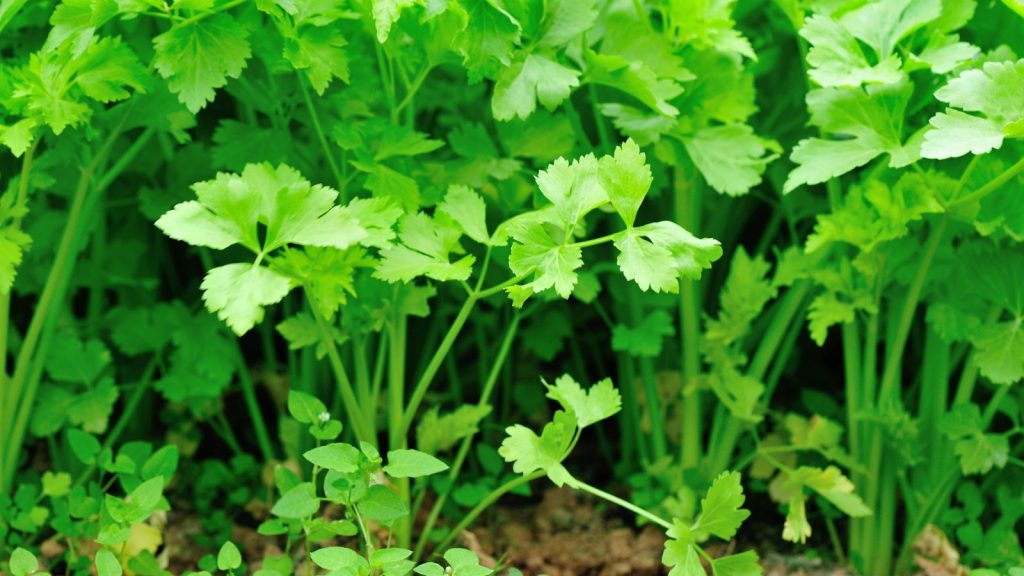
Cilantro is a frustrating herb to grow, bolting into its flowering glory seemingly right before our eyes. The trick to a good harvest of cilantro leaves is to directly sow seeds now, taking advantage of the cooler nights of fall.
Cucumbers
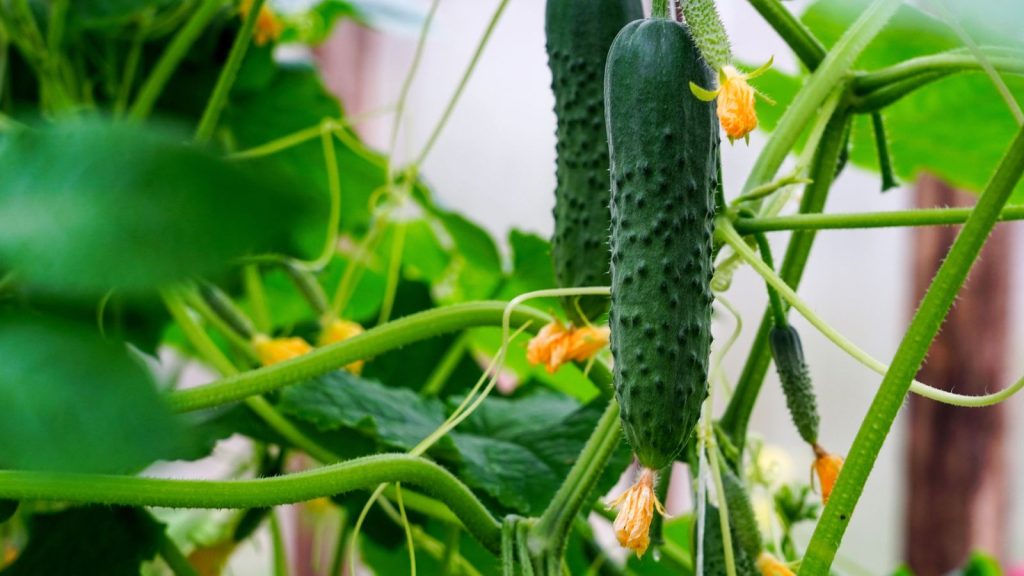
Although the thought of summer crops is far behind us, fast-growing cucumbers can be sown now for a final harvest before winter sets in. For the best chance of success, directly sow seeds in their final growing position.
16 Companion Plants for Happier, Healthier Cucumbers
Lettuce

Although we often think of
Kale

Kale thrives in colder weather, producing a steady yield of nutritious green leaves throughout the winter. Start seeds in modules now and transplant seedlings into their final growing position once the first true leaves appear.
Parsley
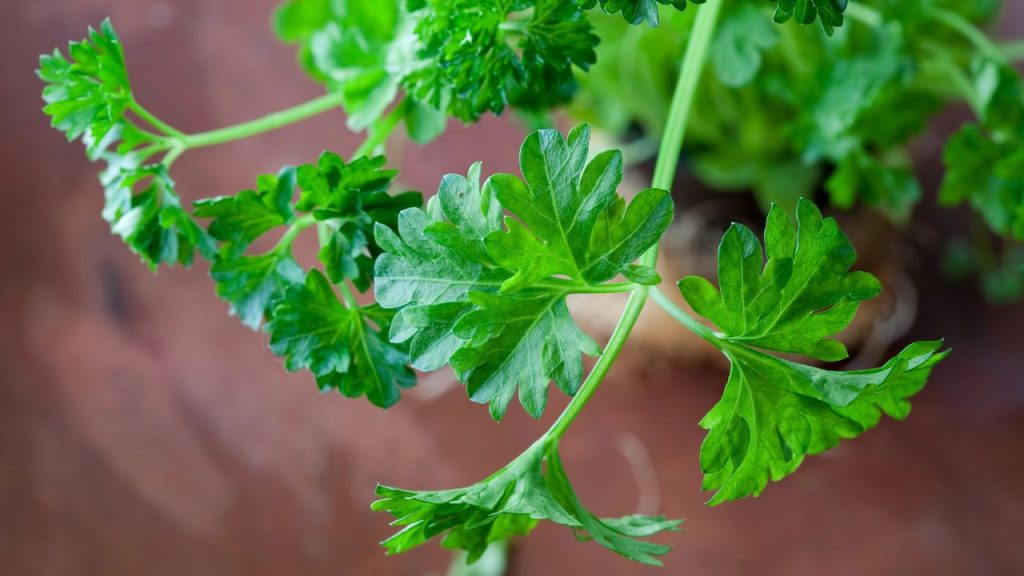
Parsley is another herb that appreciates cooler weather. Summer-sown parsley will produce lush, flavorsome leaves throughout fall and winter. Sow parsley seeds in modules now, but be patient; they can take several weeks to germinate.
Peas

Peas are one of my favorite fall harvests, producing sweet, juicy pods packed with the taste of sunshine! Sow seeds in clumps of two or three in their final growing position, providing support such as canes or twigs for them to cling onto as they grow upward.
Radishes

If you get frustrated by
Spinach

Direct-sown
Swiss Chard

Much like
Turnips

Turnips are a simple winter root crop that matures quickly with minimal fuss when sown directly into the garden.
How to Water Your Garden The Right Way
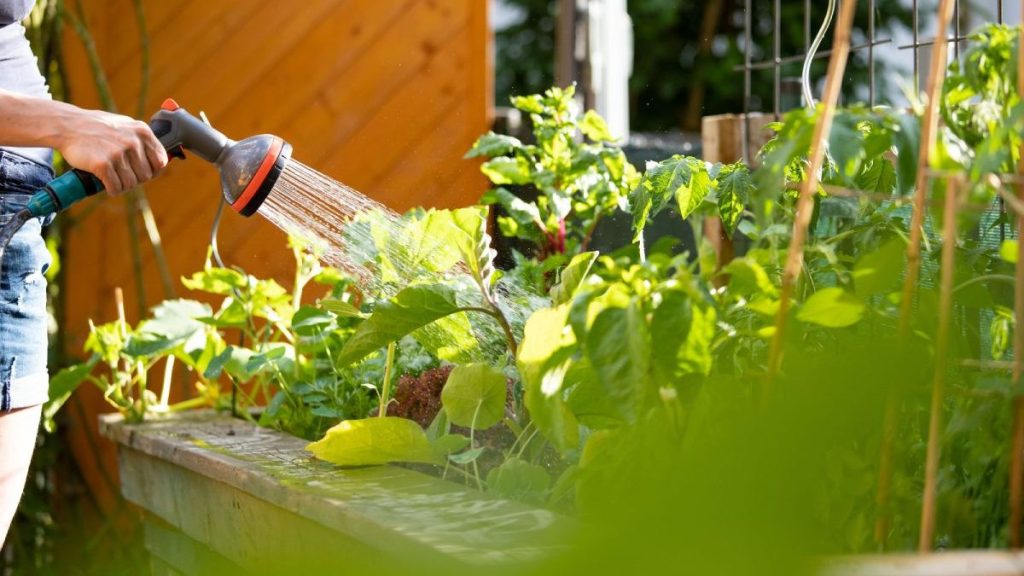
There are watering best practices that strike the perfect balance. Let’s make sure your plants stay happy and hydrated!
How to Water Your Garden The Right Way
I’ve Grown Tomatoes for Years —These Are the Tips That Actually Work
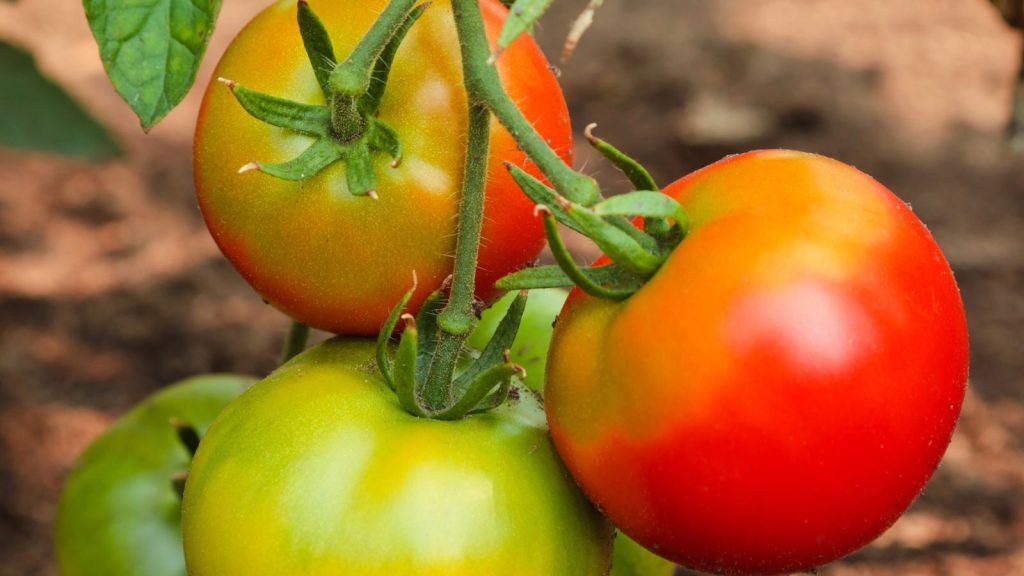
If you’re tired of trial and error and need advice that actually yields results, here are 18 tips that’ll help you grow the best tomatoes of your life.
I’ve Grown Tomatoes for Years —These Are the Tips That Actually Work