Food prices keep climbing, and most people notice it at the checkout. One of the easiest ways to save money is to waste less of what you already buy. A few small habits in how food is stored and handled can make groceries last noticeably longer.
Here are simple ways to stretch what you bring home.

Delay Washing Produce
Washing fruits and vegetables before storing them can speed up spoilage. Moisture left on the surface encourages mold and decay. It works better to rinse them right before eating or cooking.
Keep Bananas Separate
Bananas ripen faster when they stay in a bunch. Separating them slows the process. Wrapping the stems can also reduce how quickly they turn.
Eat Leftovers
Leftovers are an easy way to stretch meals and reduce waste. Storing them properly and eating them within a few days helps get the most out of what you cook.
Use Airtight Containers
Once food is opened, air and moisture start breaking it down. Airtight containers help keep snacks, grains, and leftovers fresher for longer.
Choose Clear Containers
Seeing what’s inside makes it easier to remember what needs to be eaten. Food hidden in opaque containers is more likely to be forgotten.
Pay Attention to Dates
“Best by” dates are not strict rules. Smell, texture, and appearance give a better idea of whether food is still good.
Set the Fridge Temperature Properly
A refrigerator should stay at or below 40°F (4°C). Warmer settings allow bacteria to grow faster, which shortens food life.
Store Dairy in the Main Fridge Area
The door is the warmest part of the fridge. Milk, yogurt, and other perishables stay fresh longer on interior shelves.
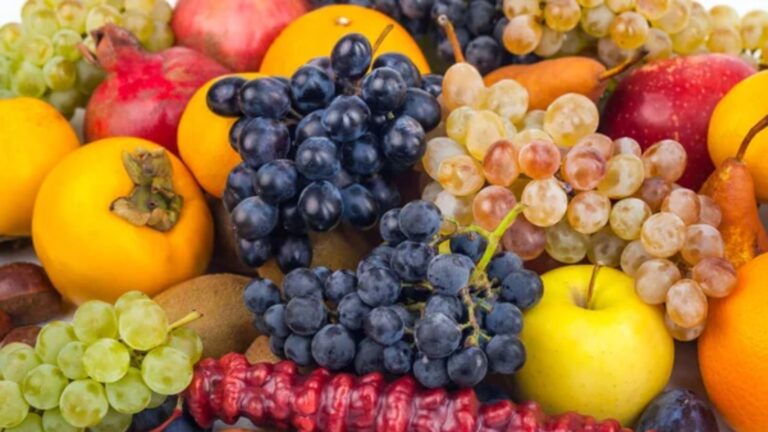
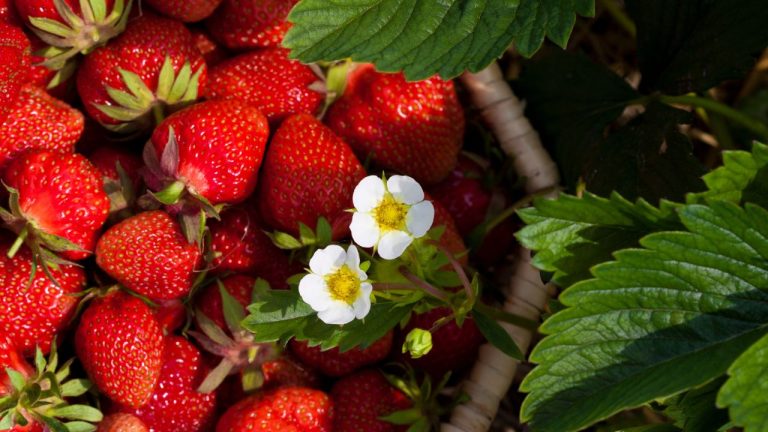
Check Fruit Often
One spoiled piece of fruit can affect the rest. A quick check every few days helps catch problems early.
Cook in Bulk and Freeze Portions
Batch cooking saves time and keeps extra portions from going bad. Freezing meals locks in freshness for later use.
Turn Overripe Fruit Into Smoothies
Soft or overripe fruit still has value. Blending it into smoothies or bowls prevents it from going to waste.
Dry Fresh Herbs
Fresh herbs spoil quickly in the fridge. Drying them helps extend their use for weeks or even months.
Use Frozen Produce
Frozen fruits and vegetables are picked and stored at peak freshness. They last longer and reduce the chance of spoilage.
Keep the Fridge Clean
A messy fridge blocks airflow and creates warm spots. Regular cleaning helps prevent mold and keeps food fresher.
Freeze Meat Early
If meat won’t be used soon, freezing it right away keeps it safe and extends its shelf life by months.
Refrigerate Certain Fruits
Some fruits last longer in cooler storage. Apples and oranges, for example, stay fresh longer in the fridge than on the counter.