Many skills once part of everyday life have fallen by the wayside as people have come to rely more on stores and modern services. Our grandparents and great-grandparents often knew how to grow food, mend clothing, preserve meals, and fix household items instead of replacing them.
These skills still have plenty of uses today, whether you want to save money, waste less, or feel more prepared for an unexpected situation. Having supplies on hand helps, but knowing how to use what you have can be just as valuable.
Here are 17 old-fashioned life skills worth learning or passing along to the next generation.

Learn How to Fish
Fishing was once a regular way for many families to put fresh food on the table and make use of nearby rivers, lakes, and streams. Learning to tie knots, choose bait, cast a line, and clean a fish gives you a useful outdoor skill for recreational trips and situations where food options are limited.
Related Article: 13 Forgotten Home Skills That Deserve More Appreciation
Grow Your Own Food
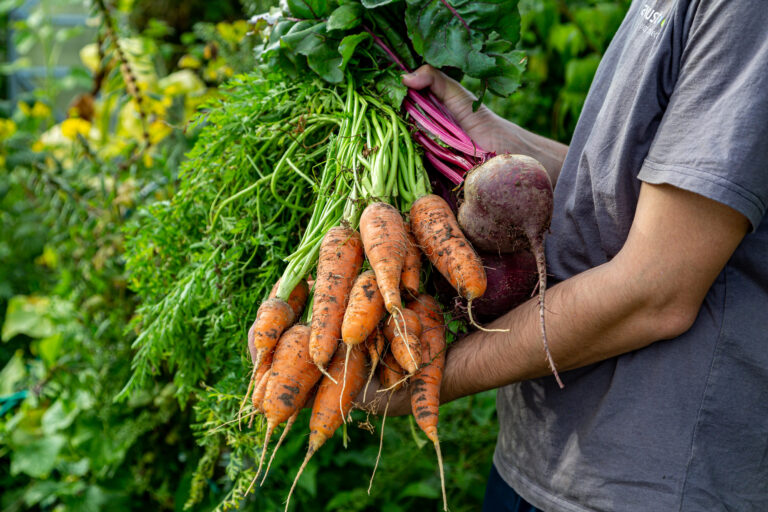
Home gardens once supplied families with vegetables, herbs, and fruit while helping cut grocery costs. You don’t need a large yard to get started, since a few pots of tomatoes, leafy greens, or herbs can provide fresh ingredients right outside your door.
Related: 12 Important Survival Skills Every Child Should Have
Learn Basic Hunting Skills
For many generations, hunting helped families provide meat, though it requires proper training, patience, and knowledge of local laws. Learning wildlife behavior, tracking, field safety, and proper meat handling can be useful for those who want to hunt as a practical outdoor skill.
Related: 20 Pioneer Skills to Learn Now So You Can Rely Less on the Grid Later
Sew and Repair Clothing
People once repaired torn clothes, replaced buttons, and patched worn elbows rather than buying new garments at the first sign of damage. A needle, thread, and a little practice can help you mend seams, fix small holes, and get more use from the clothes you already own.
Related Article: 21 Self-Sufficiency Skills People Used Before Modern Convenience
Learn Basic Carpentry
Basic carpentry can save money on small household jobs, from building shelves to repairing a wobbly chair or fixing a loose cabinet door. Learning to measure accurately and use hand tools safely gives you a starting point for useful household projects.
Forage for Wild Foods
Before grocery stores were widespread, people gathered wild berries, nuts, herbs, and edible plants to supplement their meals. Learning to identify local species can be worthwhile, but never eat a wild plant unless you’ve confirmed its identity with a reliable source, since some lookalikes are poisonous.
Bake Bread From Scratch
Homemade bread was a regular part of many kitchens because a basic loaf needs just a few ingredients and some time. Learning to work with flour, water, yeast, and salt lets you make fresh bread at home and rely less on store-bought loaves.
Related Article: 14 Home Maintenance Skills Every First-Time Homeowner Should Learn
Preserve Food Through Canning
Canning allowed families to store fruits and vegetables from the growing season for use months later. Learning proper canning methods can cut food waste and stretch a harvest, but it’s vital to follow tested recipes and use the correct process for each food to prevent dangerous spoilage.
Learn the Art of Bartering
Before cash purchases became the norm, people often traded goods and services to get what they needed. Trading extra garden produce, handmade items, repairs, or other skills with neighbors can reduce expenses and build stronger local connections.
Keep Bees for Honey and Beeswax
Beekeeping has supplied families with honey for food and beeswax for candles and other household uses for generations. Keeping a hive takes training, suitable equipment, and regular care, and bees also pollinate many nearby plants.
Cook Without Modern Appliances
Knowing how to prepare a meal with basic cookware can come in handy during a power outage, camping trip, or other situation where kitchen appliances aren’t available. Practice cooking with cast iron, a Dutch oven, or a permitted outdoor fire before you need to rely on those methods.
Learn Food Dehydration
Drying food is an old preservation method that can make fruits, vegetables, herbs, and certain meats easier to store. Properly dehydrated foods take up less space and can be used later in snacks and meals, provided you follow safe drying and storage instructions.
Raise Backyard Chickens or Small Livestock
Keeping chickens has long been a way for households to get fresh eggs at home, while some families also raise other small animals. Before starting, check local rules, your space, and the ongoing costs of feed, housing, and animal care.
Learn How to Process Meat
People who hunted or raised animals often learned how to prepare, cut, and store meat at home. Training in clean handling, proper cutting, and safe storage can reduce waste and help you make better use of meat you’ve obtained.
Make Homemade Dairy Products
Many families once made butter, yogurt, and cheese at home rather than buying every dairy product from a store. Learning these methods can give you more options in the kitchen, but proper sanitation, temperature control, and storage are needed to keep homemade dairy safe to eat.
Know Basic Natural Remedies and First Aid
Families often relied on traditional home remedies for minor discomforts, but not every folk remedy has been proven safe or useful. Learning basic first aid, how to clean and cover minor wounds, and when to seek medical attention is a practical skill for every household.
Read a Paper Map
Smartphones and GPS have made directions easy to find, but batteries can die, and mobile service may be unavailable in some areas. Learning to read a paper map, identify landmarks, and use a compass gives you another way to find your route when technology isn’t working.
You don’t have to give up modern conveniences to learn these older skills. Knowing how to grow food, repair belongings, cook with basic tools, and find your way without a phone can save money and give you more options when plans change.