Most people dump their coffee grounds in the trash without giving them a second thought. Once the coffee is brewed, though, those grounds still have plenty of uses around the house and garden.
From the compost pile to homemade scrubs and simple cleaning jobs, used coffee grounds can save a little money and cut down on household waste. Here are 14 easy ways to put those leftover grounds to use.
Add Coffee Grounds to Compost
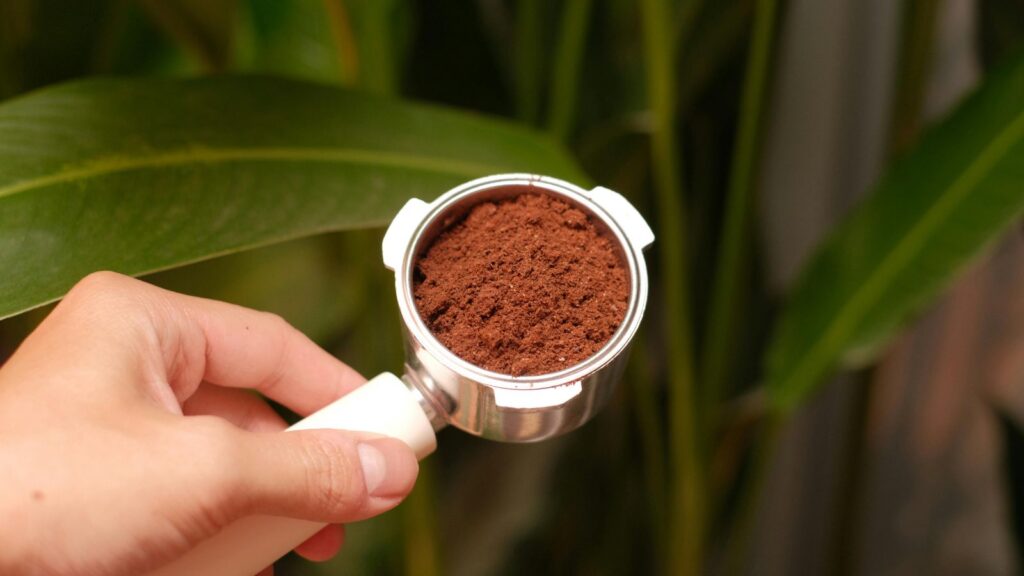
Coffee grounds make a useful addition to a compost pile. They contain nitrogen, which is one of the materials compost needs along with carbon-rich items such as dried leaves, paper, and cardboard.
Add used grounds to your compost along with other kitchen scraps and yard waste. Just avoid making coffee grounds the bulk of the pile. A mix of different materials will give you better compost.
Related: 7 Natural Ways to Add Nitrogen to Your Garden Soil
Make a Body Scrub
Those leftover grounds can also be used to make a simple body scrub. Their coarse texture helps buff away dead skin, leaving your skin feeling smooth after rinsing.
Mix the grounds with a little
Related: Homemade Coffee Scrub with Coconut Oil
Make Homemade Soap
Coffee grounds can be mixed into homemade soap for a scrubby texture. The grounds add gentle abrasion, making the finished bar useful for washing hands after gardening or other messy jobs.
If you make soap at home, add the used grounds after the soap mixture has reached the proper stage for your recipe. A small amount is usually enough to give the bar some texture without making it overly rough.
Add Them to the Garden
Used coffee grounds are often added to garden soil, but they aren’t a cure-all fertilizer. They contain small amounts of nutrients and organic matter, which can contribute to soil health when used as part of a larger mix.
Rather than dumping a thick layer around plants, work a modest amount into compost or soil. Fresh coffee grounds are much more acidic than used grounds, so don’t assume spent grounds will dramatically change your soil’s pH.
Absorb Household Odors
Coffee grounds can help with some unwanted smells. Put dry, used grounds in a small open container and place it in an area that needs freshening, such as a refrigerator, pantry, or near a trash can.
Let the grounds dry completely before using them for this purpose. Damp grounds can grow mold, which creates a whole new problem.
Discourage Ants
Some gardeners use coffee grounds around areas where ants are active. The strong smell and texture may make certain areas less appealing to ants, although results can vary.
Sprinkle a small amount near cracks, entry points, or areas where you’ve spotted ants. If you’re dealing with a serious infestation, this is unlikely to solve the problem by itself.
Related: How to Make a Borax Ant Trap
Don’t Rely on Coffee Grounds for Dog Fleas
Coffee grounds are sometimes recommended as a natural flea treatment for dogs. There isn’t good evidence that rubbing coffee grounds onto a dog will reliably get rid of fleas, and ingesting coffee or caffeine can be dangerous for pets.
For a dog with fleas, use a flea treatment recommended by your veterinarian rather than relying on used coffee grounds. If you still want to reuse the grounds, keep them in the compost or use one of the household ideas on this list.
Hide Small Scratches on Dark Wood
Have a dark wooden table or cabinet with a small scratch that catches your eye every time you walk past it? Used coffee grounds can sometimes make minor scratches less noticeable.
Rub a small amount of damp grounds over the scratch, then wipe away the excess and check the color. This works best on darker wood where the coffee color blends with the existing finish. Test it on a hidden spot first, since coffee can stain wood.
Get Garlic and Onion Smells Off Your Hands
Garlic and onions can leave their smell on your hands long after dinner is finished. Coffee grounds can help scrub away some of that lingering odor.
Rub a small amount of damp grounds between your hands, then wash thoroughly with soap and water. Your hands get an exfoliating scrub at the same time.
Use Them for Messy Cleaning Jobs
The gritty texture of coffee grounds makes them useful for certain scrubbing jobs. They can help loosen stuck-on residue from pots, pans, and other sturdy surfaces.
Use them with a little dish soap and water, then rinse thoroughly. Skip this method on delicate surfaces, light-colored materials, painted finishes, or anything that can be easily scratched or stained.
Try Them Around Outdoor Sitting Areas
Coffee grounds are often mentioned as a homemade mosquito deterrent. Some research has looked at coffee-related compounds and mosquitoes, but simply scattering used grounds around your yard isn’t a dependable replacement for proven mosquito control.
If you want to experiment, keep the grounds dry and contained rather than leaving large piles around your yard. For serious mosquito problems, remove standing water and use established pest-control measures.
Use Coffee Grounds as a Natural Dye
Spent coffee grounds can produce soft brown and tan shades for craft projects. They can be used to color materials such as paper and some fabrics, giving old projects a warm, earthy look.
The final color depends on the material, the amount of coffee used, and how long the item sits in the dye bath. Test a small piece first before dyeing anything you care about.
Make Coffee-Scented Candles
If you enjoy homemade candles, used coffee grounds can be part of a fun craft project. A small amount can be added to candle wax to give the candle a rustic appearance and a hint of coffee aroma.
Be careful with grounds placed near a burning wick. Too much solid material in a candle can interfere with how it burns. Follow a candle-making recipe that has been tested for the type of wax and wick you’re using.
Donate Them to a Community Garden
Don’t have a compost pile or garden of your own? Ask a local community garden if they accept used coffee grounds.
Many gardens collect coffee grounds for composting, so your morning coffee waste can become part of the material used to improve garden soil. Check with the garden first rather than dropping off a large bag without asking.
A Little Coffee Waste Can Go a Long Way
Used coffee grounds may seem like ordinary kitchen waste, but they can be useful long after your coffee has finished brewing. Compost them, use them for certain cleaning jobs, turn them into a scrub, or save them for a craft project.
Just remember that coffee grounds aren’t a cure for every household problem. Use them where they make sense, and you’ll have one less thing going straight into the trash.
Other Topics You Might Like
- 10 Strange Things That Are Surprisingly Smart to Stockpile
- How to Clean a Wood Cutting Board
- 15 Safe Ways to Clean a Cast Iron Skillet Without Ruining the Seasoning
- 12 Things Professional Organizers Would Never Store Under the Kitchen Sink
- 12 Small Habits That Make a Big Difference in Keeping Your Home Clean