Homeownership means learning routine upkeep, but some repairs require specialized training, permits, or equipment. Trying to save money with a DIY project can put your safety at risk or lead to much bigger repair bills if something goes wrong.
Before starting a major project, check your local building codes and permit requirements. Knowing which jobs you can handle yourself and which ones need an expert can save you trouble down the road.
1. Structural Changes
Removing a wall can change how your house supports its weight, and guessing whether it’s load-bearing can put the structure at risk. Hire a structural engineer or qualified contractor to assess the work and confirm which permits are needed before construction begins.
Related: 14 Monthly Home Maintenance Tasks Every Homeowner Should Do
2. Major Plumbing Work
A homeowner can handle replacing a showerhead or fixing a minor faucet leak, but work on water supply lines, sewer pipes, or major plumbing connections is more involved. A plumbing mistake can cause hidden leaks, sewage backups, water damage, or contaminated drinking water, so call a licensed plumber for repairs beyond basic maintenance.
3. Window and Door Openings
Replacing a window or exterior door in an existing opening can be straightforward, but changing the opening itself may affect the home’s structure. Check local permit requirements and consult a qualified contractor before cutting into an exterior wall or changing a load-bearing section.
Related: 15 Home Economics Skills Every Child Should Learn Before Adulthood
4. Electrical Work
Some minor electrical tasks may be permitted for homeowners, depending on local rules, but new circuits, panel upgrades, and extensive rewiring call for specialized knowledge. Faulty wiring can cause electric shock, fires, and appliance damage, so hire a licensed electrician for work you’re not qualified to do.
5. Fence Installation
Putting up a fence involves more than digging holes and attaching boards, since property lines, underground utilities, height limits, and neighborhood rules can affect where it goes. Check with your local building department and utility-locating service before digging, and hire a contractor if the project involves difficult terrain or large retaining structures.
Related: 12 Areas of Your Home That Often Raise Red Flags During Inspection
6. Asbestos Removal
Older homes may contain asbestos in insulation, flooring, siding, ceiling textures, or other building materials. Disturbing these materials can release hazardous fibers, so have suspected asbestos assessed and use a qualified asbestos professional for testing or removal when required.
7. HVAC Installation and Major Repairs
Heating and cooling systems involve electrical components, refrigerants, ventilation, and ductwork that must work together safely. Incorrect installation or repairs can reduce system performance and create safety risks, so leave major work to a qualified HVAC technician who can follow local codes and manufacturer instructions.
8. Gas Line Installation or Repairs
Improperly installing, moving, or repairing gas lines can cause leaks, fires, or explosions if connections aren’t handled correctly. Leave this work to a licensed gas professional. If you smell gas, leave the area without operating switches or appliances, and contact your gas utility or emergency services from a safe location.
9. Water Heater Installation
A water heater connects to plumbing and either an electrical or gas supply, and it relies on pressure-relief and, where applicable, ventilation systems to operate safely. Because an incorrect installation can cause leaks, scalding, fire, or carbon monoxide exposure, check local permit rules and hire a qualified installer when required.
10. Building a Deck
A deck must support people, furniture, and other loads without its supports or connections failing. Footing depth, structural fasteners, stairs, and railings all matter, so check local building requirements and have a qualified contractor handle the structural work if you’re unsure how to build it safely.
Related: 12 Easy-to-Miss Details That Make Your Home Look Out of Date
11. Roof Replacement
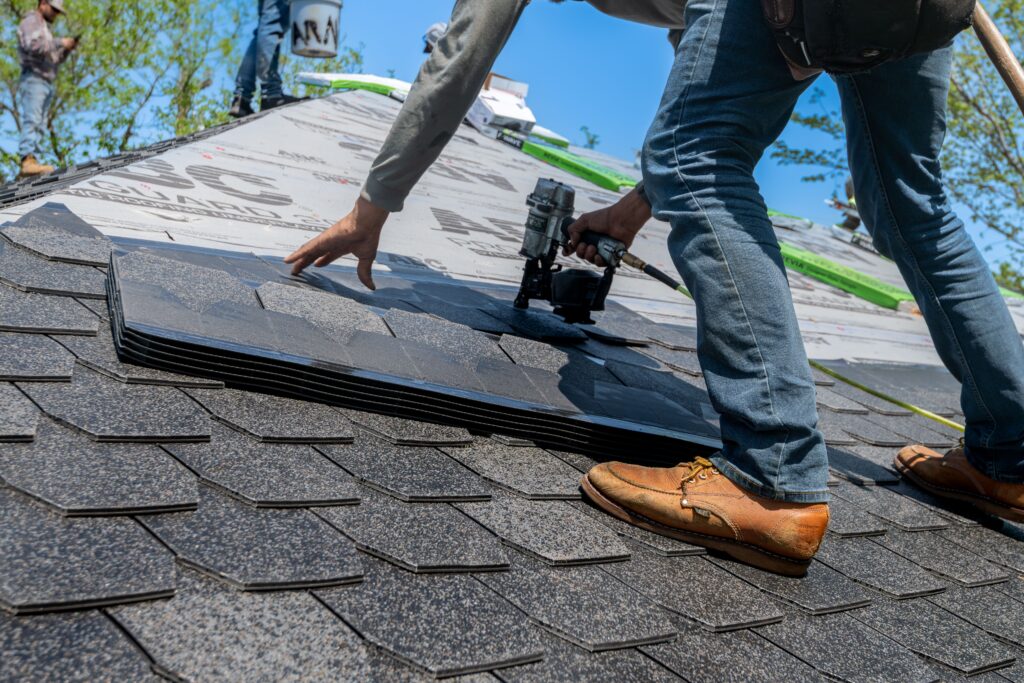
Replacing a few damaged shingles is very different from installing an entire roof or repairing damaged roof framing. Roofing work involves fall hazards, weatherproofing details, and local code requirements, so hire an insured roofing contractor for a full replacement or major repairs.
12. Lead Paint Removal
Homes built before 1978 may contain lead-based paint, and sanding or scraping it can spread hazardous dust throughout the house. Have suspect paint assessed before disturbing it, and use an EPA-certified lead-safe contractor when applicable federal or state requirements apply.
13. Swimming Pool Installation
Installing a swimming pool involves excavation, plumbing, electrical work, drainage, and safety features such as barriers and gates. Local permits and inspections are often required, so hire experienced pool contractors and qualified trade specialists.