It’s easy for things to pile up at home. A phone gets replaced, a new appliance takes the place of an old one, and clothes that no longer fit somehow stay in the closet anyway. Then there are the freebies, keepsakes, and boxes we save because we’re convinced we’ll find a use for them someday.
The problem is that “someday” has a way of never showing up.
If you’re running out of storage space or constantly moving things around just to find what you need, it may be time to look at what you’re keeping. Some things are useful, some have sentimental value, and some are simply taking up room.
Here are 12 items that are often easy to let go of.
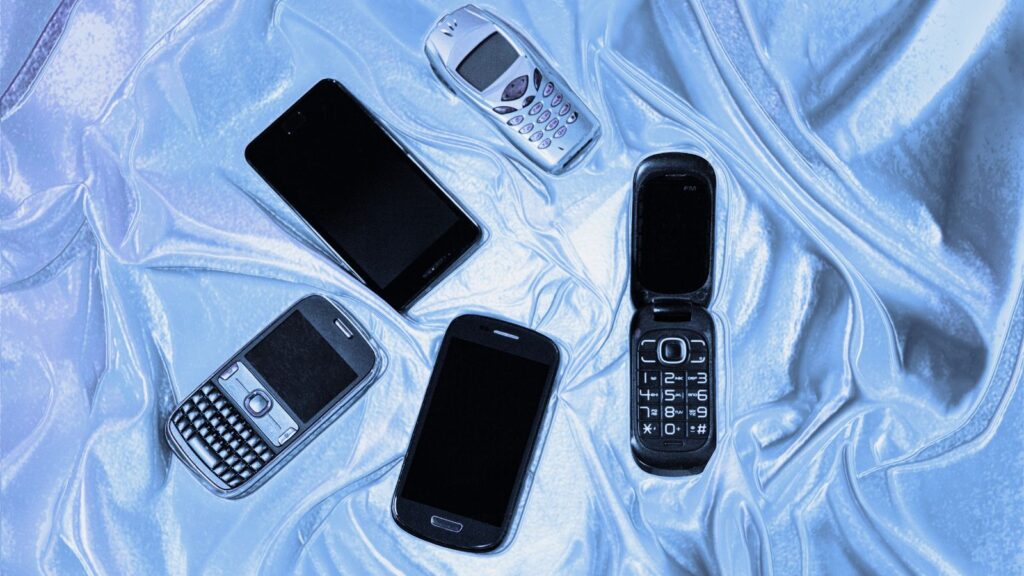
Old Cell Phones
It’s tempting to keep an old phone as a backup, but if you have several outdated devices sitting in a drawer, you probably don’t need all of them.
Older phones may no longer work with your current carrier or apps, and
Related: 14 Things Worth Buying Every Month for Emergency Preparedness
Damaged Appliances
A broken toaster, coffee maker, blender, or other appliance can sit around for months because you keep telling yourself you’ll repair it.
Be honest about whether that repair is actually going to happen. If you’ve already replaced the appliance and the old one has been sitting untouched, there’s little reason to keep giving it valuable cabinet or countertop space.
Working appliances you no longer need can be donated or sold. Broken ones should be handled according to your local disposal or recycling rules.
Old Power Cords
That box full of mystery cables can get out of hand quickly.
Some cords are worth keeping if you know exactly what they belong to and still use the device. But if you can’t remember what a cable connects to, or you got rid of the device years ago, it’s probably safe to let it go.
Sort through the cords and keep a small collection of the ones you actually use. Recycle the rest through an electronics recycling program if available.
Related: 10 Strange Things That Are Surprisingly Smart to Stockpile
Memorabilia
Sentimental items can be some of the hardest things to declutter. Old greeting cards, ticket stubs, travel receipts, event programs, and souvenirs can all bring back good memories.
You don’t have to get rid of everything. Instead, choose the pieces that mean the most to you and let the rest go. You can also scan certain paper keepsakes and save digital copies before recycling the originals.
The goal isn’t to erase memories. It’s to avoid letting a mountain of paper and little souvenirs take over your home.
Expired Medicine
Medicine cabinets can hide surprisingly old products. Check prescription medications, over-the-counter medicines, and vitamins for expiration dates and dispose of anything that has expired.
Don’t simply flush or throw away medication unless the label or local disposal guidance says that’s appropriate. Pharmacies and community take-back programs may accept certain unwanted medicines.
Take a few minutes to check your medicine cabinet every so often so expired products don’t sit there for years.
Damaged Clothing
There’s a difference between clothing that needs a minor repair and clothing that has been sitting in the closet with a permanent stain, large tear, or unpleasant odor.
If you realistically plan to repair something, set a deadline and do it. If you keep moving the item from one pile to another without fixing it, that’s a pretty good sign that it’s time to let it go.
Clothing that’s too damaged to donate may be suitable for textile recycling, depending on what’s available in your area.
Related: 13 Things Around Your Home That Rubbing Alcohol Can Clean
Clothes That No Longer Fit
Many people keep clothes that no longer fit because they hope they’ll wear them again someday. Others keep pieces because they were expensive or because they used to love them.
Your closet should make getting dressed easier, not remind you of clothes you can’t or don’t want to wear.
Keep sentimental pieces if they genuinely mean something to you, but consider selling or donating the rest. Clearing out clothes that don’t fit can also make room for pieces you actually reach for.
Free Stuff
Free doesn’t always mean worth keeping.
Promotional T-shirts, tote bags, mugs, pens, water bottles, and other giveaways can accumulate simply because they cost nothing. Before accepting another free item, ask yourself whether you’d actually buy it if it weren’t free.
If the answer is no, it may not deserve space in your home.
Expired Skincare Products
Skincare and beauty products don’t last forever. Old creams, lotions, serums, and other products can change in smell, color, or texture over time, and using expired products may cause irritation.
Check the packaging for expiration information or the recommended period after opening. If you can’t remember how long something has been sitting in your bathroom and it looks or smells different, it’s probably time to dispose of it.
You can also use this opportunity to stop buying products just because they’re on sale if you already have more than you can reasonably use.
Expiration dates can be helpful when sorting through other household products, too.
An Unused Gym Membership
This one isn’t clutter in the traditional sense, but it can clutter your budget.
If you’re paying every month for a gym membership you rarely or never use, check the terms and consider canceling it. There may be a better way to spend that money, whether that’s exercising at home, walking outside, joining a different facility, or simply putting the savings toward something else.
Sometimes the easiest thing to remove from your home is a recurring expense.
Hotel Samples
Those tiny hotel bottles can be surprisingly difficult to throw away. After all, they’re small, useful, and free.
But if you have a drawer full of shampoo, conditioner, lotion, and skincare samples that you never reach for, they’re still clutter.
Keep a few if you actually use them for travel. Give away unopened products if someone else can use them, and get rid of the rest. Your bathroom doesn’t need a collection of miniature bottles you forgot you had.
Empty Boxes
Keeping a few sturdy boxes can make sense if you’re moving, shipping packages regularly, or storing something that needs protection.
The problem starts when every delivery box gets flattened and saved “just in case.”
Break down cardboard boxes you no longer need and recycle them according to your local guidelines. If you move often or sell items online, keep a small number of useful boxes and let the rest go.
A little empty space in your storage area is worth more than a giant stack of cardboard waiting for a purpose that may never come.
Getting rid of these items doesn’t mean you have to strip your home down to the bare minimum. A comfortable home can have keepsakes, backups, hobbies, and things you simply enjoy owning.
The trick is knowing the difference between something you value and something you’re keeping out of habit. Once you start spotting that difference, clearing out the unnecessary stuff gets much easier.
Other Topics You Might Like
- 10 Strange Things That Are Surprisingly Smart to Stockpile
- How to Clean a Wood Cutting Board
- 15 Safe Ways to Clean a Cast Iron Skillet Without Ruining the Seasoning
- 12 Things Professional Organizers Would Never Store Under the Kitchen Sink
- 12 Small Habits That Make a Big Difference in Keeping Your Home Clean