A basement can be one of the most useful spaces in a house, but it can also become the place where everything without a home gets dumped. Old boxes get pushed into corners, broken appliances wait for repairs that never happen, and holiday decorations multiply from year to year.
Before long, it becomes difficult to find anything, let alone use the basement for the storage or living space you actually need.
A good basement cleanout doesn’t mean getting rid of everything. The goal is to keep the things you use, need, or genuinely care about and clear out the items that have been sitting there for years without a purpose.
Here are 16 things professional organizers would probably put near the top of the purge pile.
Books and Old Paperwork
Books and paperwork can be surprisingly difficult to part with. Some have sentimental value, while others get saved because you think you might need them someday.
Take a realistic look at those stacks. Keep books you actually read or want to keep, and go through old paperwork for documents you truly need. Important records can often be scanned and stored digitally, which can free up a surprising amount of shelf space.
Related: Time to Completely Ditch the Paper: Tips for a Clutter-Free, Paperless Home
Old Luggage
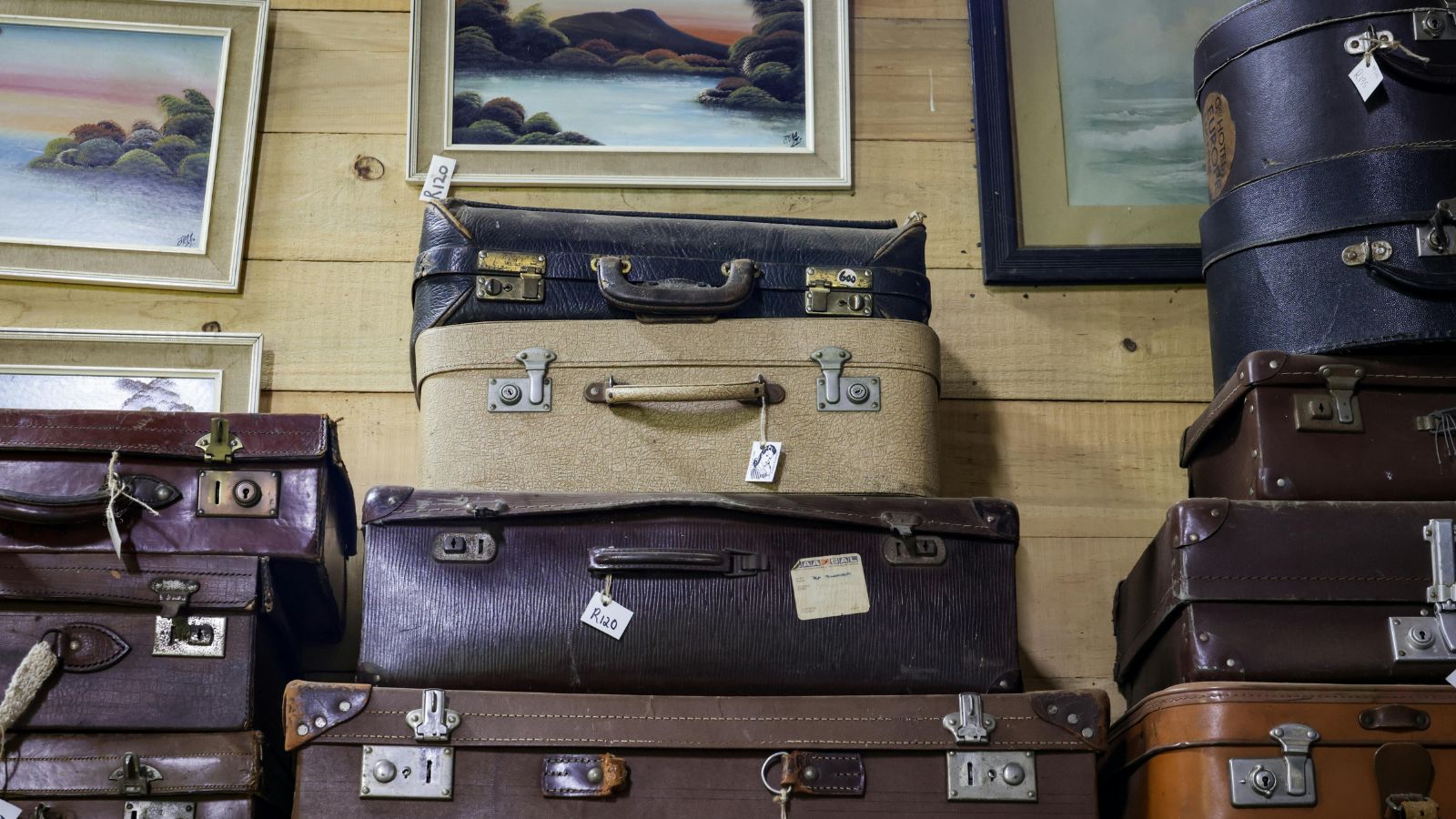
A basement is a common place to stash suitcases, duffel bags, and travel bags that haven’t been used in years.
Look closely at what you have. If a suitcase has broken wheels, a damaged zipper, or has been sitting untouched through several moves and vacations, it may be time to let it go.
Keep the bags that fit your actual travel needs and free up the rest of the space.
Old Paint Cans
Those half-full paint cans can feel worth keeping for future touch-ups. Keeping a small amount of paint from a recent project makes sense, but there’s little reason to hold onto cans that have dried out or been sitting around for years.
Check what you have and label the cans you’re keeping so you know which room or project they belong to. Dispose of unwanted paint according to your local waste disposal rules rather than pouring it down a drain.
If the paint is still usable, consider giving it to someone who can use it.
Broken Appliances
Basements often become storage spots for appliances that stopped working.
Maybe the old vacuum needs a part. Perhaps the blender has a broken switch. Maybe the television has been waiting for a repair for three years.
Ask yourself how long you’ve actually been waiting to fix each item. If you’ve repeatedly put off the repair and have already replaced the appliance, keeping the broken version is just taking up space.
Appliances with damaged wiring or other electrical problems can also create safety concerns, so don’t keep faulty equipment around just because you might repair it someday.
Holiday Decorations
Holiday decorations have a habit of multiplying. One box becomes three, then five, and suddenly you need half the basement just to store things you use for a few weeks each year.
Go through your decorations before putting them away. Toss broken lights and damaged ornaments, and set aside decorations you haven’t used in several seasons.
Keep the pieces you genuinely enjoy displaying. The holidays will be much easier to organize when you’re not digging through boxes of decorations you forgot you owned.
Expired Canned Goods
Using the basement as a backup pantry can be practical, but stored food needs regular attention.
Check cans, jars, and packaged foods for their dates and condition. Anything that is leaking, badly damaged, swollen, or otherwise questionable should be discarded safely.
Rotate the food you keep so older items get used before newer purchases.
Related: Foods That Last Well Beyond Their Expiration Date If Stored Correctly
Magazines and Newspapers
Old magazines and newspapers can easily become permanent residents of a basement.
If you have a particular issue you want to save, keep it. The same goes for meaningful articles, family records, or special editions. But stacks of outdated reading material that haven’t been opened in years probably don’t need to stay.
Recycle what you no longer want and reclaim the space for something you’ll actually use.
Outgrown or Unused Clothing
Clothing often ends up in basement storage with the hope that it will fit again someday or come back into style.
If something hasn’t been worn in years, ask yourself whether you’re realistically going to wear it again. Keep sentimental pieces if they mean something to you, but don’t let bags of forgotten clothing take over the basement.
Gently used clothing can be donated, while damaged textiles may be accepted through local textile recycling programs.
Electronics and Cables
Old phones, computer equipment, televisions, chargers, and mystery cables are some of the easiest things to accumulate.
The hardest part is figuring out what all those cords belong to. If you no longer own the device a cable goes with, there’s probably little reason to keep it.
Sort electronics and cords into things you’ll use, items worth donating, and electronics that need proper recycling. Don’t throw electronic waste into the regular trash if your local area has a designated recycling program.
Related: What to Do With Your Unwanted Items Besides Donating to a Thrift Store
Outdated Sports Equipment
Sports equipment can take up a lot of room, especially when it gets shoved into a basement corner.
Look for deflated balls, rusty equipment, cracked helmets, worn-out protective gear, and equipment your family has completely stopped using.
Anything that could affect someone’s safety should be checked carefully before being passed along. If it’s still usable, donate it. If it’s damaged beyond use, find out whether the materials can be recycled.
Unused Furniture
That old chair or couch may have started in the basement as temporary storage. Years later, it may still be sitting in the same spot.
Furniture takes up valuable floor space, so there’s little reason to keep pieces that aren’t being used. If something is in good condition, sell it or give it to someone who needs it.
Broken or heavily damaged furniture that no one wants can usually be disposed of through your local bulk-waste service.
Condiments and Stale Food
Basement storage can be especially easy to forget when it comes to sauces, condiments, baking supplies, and other pantry items.
Give everything a quick inspection and check the dates. Toss anything that has clearly spoiled, smells strange, has mold, or has been stored improperly.
Old food can also attract insects and rodents, giving you another reason to avoid letting forgotten pantry items pile up.
Related: Check These 15 Pantry Items: They’re Probably Already Expired
Unused or Broken Toys
Children can outgrow toys much faster than parents expect. Before long, the basement is filled with games, stuffed animals, ride-on toys, and boxes of pieces nobody plays with anymore.
Set aside toys that are still complete and in good condition for donation or resale. Broken toys, missing-part games, and damaged items can usually be removed.
Keeping fewer toys also makes the ones your children still enjoy much easier to find.
Expired Medications
Medication shouldn’t sit forgotten in a basement storage box.
Old medication can lose its effectiveness, and improperly stored medicine may be affected by heat, moisture, or other conditions. Keep medications in the storage conditions listed on the packaging and check expiration dates regularly.
For expired or unwanted medication, look for a local pharmacy or medication take-back program that accepts it. Keep medicines away from children and pets while you’re sorting them.
Mattresses and Old Bedding
Old mattresses take up a huge amount of space, and a basement isn’t always the best place to store them.
Mattresses and bedding can also collect dust, moisture, allergens, and pests during long-term storage. If you have bedding you’re no longer using, sort through it before storing it again.
Clean, usable blankets and linens may be welcome at shelters or animal organizations, depending on their donation policies. Mattresses generally require a different disposal or recycling option.
Gift Wrap and Greeting Cards
Gift bags, wrapping paper, ribbons, tissue paper, and greeting cards can easily turn into a giant collection of “maybe I’ll use this later” supplies.
Keep a reasonable amount of wrapping materials that you know you’ll use. Recycle damaged or outdated paper and pass along excess supplies if someone else can use them.
The same goes for greeting cards. Keep special cards with sentimental value, but there’s little reason to store dozens of ordinary cards that have been sitting untouched for years.
Related: 29 Blossoming Handmade Paper Flower Crafts
A basement doesn’t have to be perfectly empty to be useful. It just needs enough breathing room for you to find things, move around safely, and actually use the space.
Start with one corner, shelf, or box instead of trying to tackle everything in one day. Once the obvious clutter is gone, you’ll have a much better idea of what deserves the storage space you have.
Other Topics You Might Like
- 10 Strange Things That Are Surprisingly Smart to Stockpile
- How to Clean a Wood Cutting Board
- 15 Safe Ways to Clean a Cast Iron Skillet Without Ruining the Seasoning
- 12 Things Professional Organizers Would Never Store Under the Kitchen Sink
- 12 Small Habits That Make a Big Difference in Keeping Your Home Clean