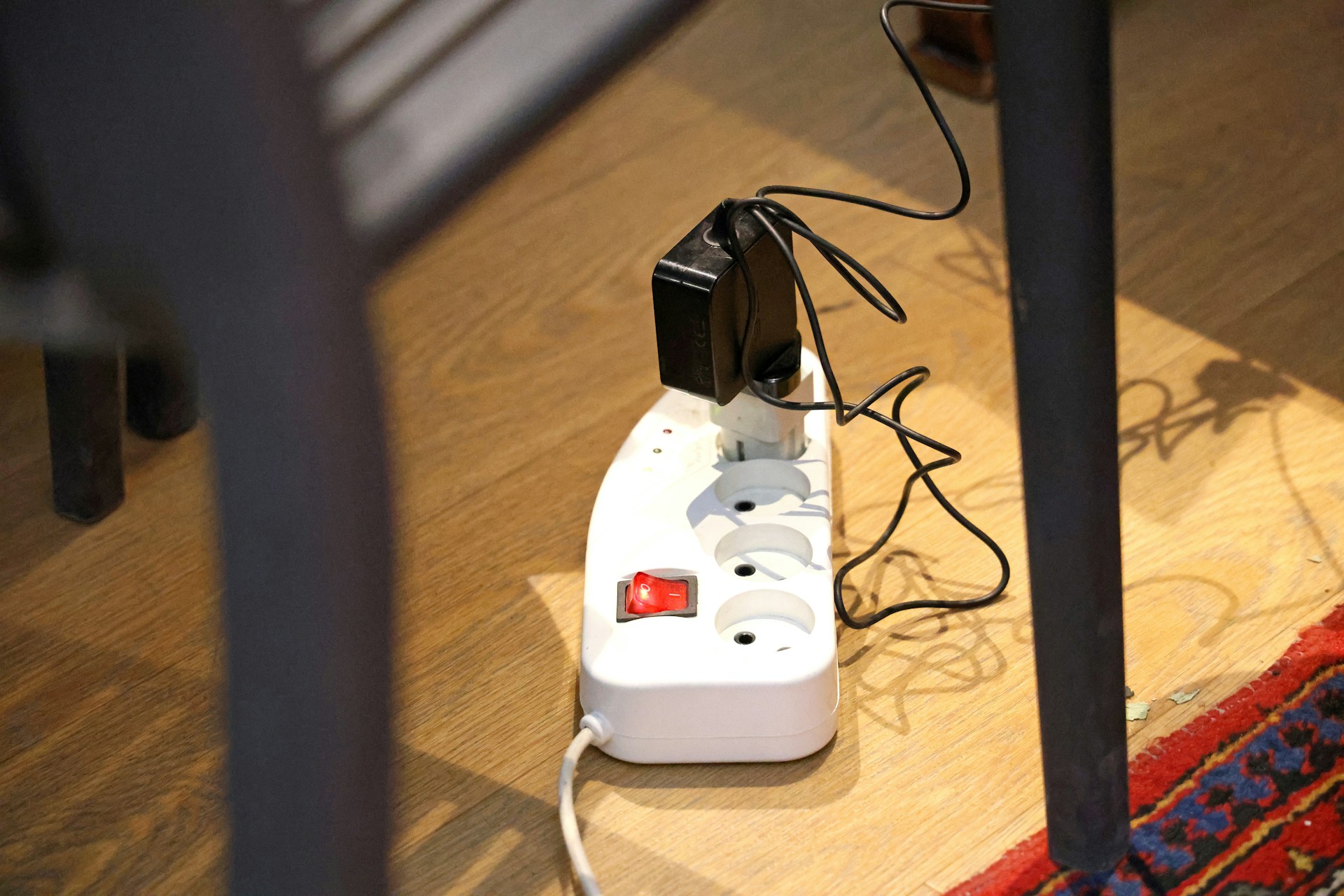
Power strips are useful when you need extra outlets for lamps, chargers, computers, and other everyday electronics. But plugging in the wrong appliance can create an electrical hazard, especially if it draws more electricity than the strip can safely handle.
Appliances that produce heat, run powerful motors, or use a lot of electricity need extra care. Overloading a power strip can cause it to overheat, trip a circuit breaker, damage connected devices, or even start a fire.
Before plugging in an appliance, check its manual, wattage, and electrical requirements, along with the power strip’s rating. Here are 14 household devices that are usually better off connected directly to a properly rated wall outlet.
Refrigerators
Refrigerators run around the clock, switching their compressors on and off to keep food cold. The compressor can draw extra current when it starts, so a standard power strip isn’t a suitable connection.
Plug your refrigerator into the wall outlet the manufacturer specifies.
Related: 14 Emergency Supplies Every Prepared Household Should Have
Microwaves
Microwaves use a lot of electricity while heating food, even if they only run for a few minutes at a time. Connecting one to a power strip with other appliances can overload the strip or the circuit.
Use the wall outlet recommended in the microwave’s manual, and avoid sharing it with other high-wattage appliances.
Toasters
A toaster may be small, but its heating elements draw a considerable amount of electricity while in use. That makes it a poor choice for a typical power strip, especially one shared with other kitchen appliances.
Plug your toaster directly into a suitable wall outlet, and unplug it after use if the manufacturer recommends it.
Space Heaters
Space heaters use a lot of electricity and often run for extended periods. A power strip or extension cord can overheat under that kind of load, creating a fire risk.
Plug a space heater directly into a wall outlet unless its manufacturer gives specific instructions for another type of connection. Keep it away from curtains, furniture, bedding, and other items that can catch fire.
Air Conditioners
Window and portable air conditioners can draw substantial electricity, particularly when their compressors start and run. A regular power strip may not be rated to handle that demand.
Follow the air conditioner’s installation instructions and use the outlet and circuit the manufacturer specifies. Don’t connect it to a power strip or extension cord unless the manufacturer expressly allows it.
Washing Machines
Washing machines use motors, pumps, electronic controls, and sometimes heating components during a cycle. Their electrical needs can change depending on the stage of the wash.
Connect the machine to a properly rated wall outlet as directed in its installation manual. Avoid using a general-purpose power strip to supply power.
Electric Dryers
Electric clothes dryers use a large amount of electricity and usually require a dedicated circuit. Many models also need a special outlet and connection that an ordinary power strip cannot provide.
Follow the dryer’s installation requirements and have the proper outlet installed if needed. Never try to connect an electric dryer through a standard power strip.
Dishwashers
Dishwashers use electricity to run pumps, operate controls, and heat water during their cleaning cycles. They also operate near water, making a properly installed electrical connection especially important.
Use the connection specified in the dishwasher’s installation instructions. Don’t use a household power strip or extension cord to reach an outlet.
Hair Dryers
Hair dryers use a lot of electricity to produce hot air and strong airflow. Using one with an overloaded power strip is a poor idea, especially in a bathroom where water and moisture can increase the risk of electric shock.
Plug your hair dryer directly into a suitable outlet with the required ground-fault circuit interrupter (GFCI) protection where applicable. Keep the appliance away from sinks, tubs, and wet surfaces.
Curling Irons and Straighteners
Curling irons and hair straighteners use heating elements to reach high temperatures. Connecting several heat-producing styling tools to one power strip can create more electrical demand than the strip can handle.
Plug each tool into an appropriate wall outlet and follow the manufacturer’s instructions. Keep hot styling tools away from towels, paper, and other flammable materials, and never leave them unattended while heating.
Coffee Makers
Coffee makers use heating elements to bring water to brewing temperature, so they can draw more electricity than their size might suggest. Running one alongside a toaster or another kitchen appliance on the same power strip can overload it.
Use a suitable wall outlet and check the coffee maker’s electrical requirements. Avoid connecting several high-wattage kitchen appliances to one strip at the same time.
Related: Why Preppers Swear by Epsom Salt for Their Survival Stockpile
Electric Kettles
Electric kettles heat water quickly, which requires a considerable amount of electricity in a short period. A standard power strip may not be rated for the kettle’s electrical demand.
Plug the kettle directly into a suitable wall outlet and check the manufacturer’s instructions. Be especially careful about using it alongside other high-wattage appliances on the same circuit.
Slow Cookers
Slow cookers usually draw less electricity than space heaters or clothes dryers, but they can stay on for several hours at a time. If you’re considering a power strip, their wattage still needs to be within the strip’s rated capacity.
Check the slow cooker’s manual and the power strip’s maximum load before connecting them. If the manufacturer recommends a direct wall connection, follow that instruction.
Electric Ovens and Countertop Ovens
Countertop ovens and toaster ovens use heating elements that can draw a lot of electricity while cooking. A standard power strip may not handle their electrical demand.
Plug these appliances directly into a properly rated wall outlet and follow the manufacturer’s instructions. Avoid running several high-wattage cooking appliances on the same circuit if doing so could exceed its capacity.
A Quick Rule for Using Power Strips
Power strips provide extra outlets, but they don’t add electrical capacity to your home. Check the wattage and maximum load printed on the strip, and add up the demand of everything connected to it.
Check the appliance manual, too, since some devices require a dedicated circuit or a particular type of outlet. If you’re unsure whether a power strip can handle an appliance, don’t guess; use the connection the manufacturer recommends or ask a qualified electrician.