
Shopping secondhand is a smart way to spend less, keep useful items out of landfills, and sometimes find things you can’t get in regular stores anymore. But a low price doesn’t always make something a good buy.
Some used items have safety concerns, hidden wear, or hygiene issues that can be difficult to spot at first glance. Others may seem like a bargain until you discover that they need repairs or replacement parts.
Here are 12 things worth approaching with extra caution at thrift stores, garage sales, and online marketplaces.
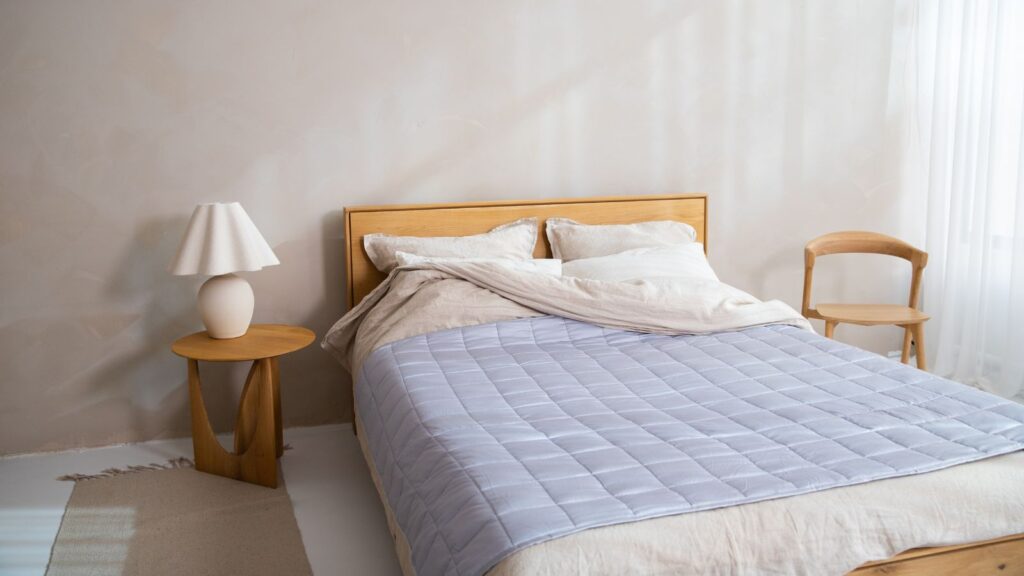
1. Mattresses
A used mattress can be difficult to assess because you have no way of knowing exactly how it was stored or cared for. It may contain dust mites, mold, stains, odors, or signs of pest activity that aren’t obvious from the outside.
Mattresses are also difficult to clean thoroughly. Since you spend several hours a night sleeping on one, buying new is usually the safer choice.
Related: 6 Ways to Make an Uncomfortable Mattress More Comfortable
2. Upholstered Furniture
A secondhand sofa or armchair can look perfectly clean and still have plenty of history hidden inside the fabric and cushions.
Upholstered furniture can hold onto odors, stains, pet dander, dust, and allergens. There’s also the possibility of bringing home unwanted pests such as bedbugs.
If you find a used upholstered piece you really love, inspect the seams, cushions, underside, and frame carefully before bringing it indoors.
Related: How to Clean Thrifted Wood Furniture
3. Baby Cribs
Baby equipment is one category where saving money isn’t worth taking chances. Older cribs may not meet current safety standards, and some models have been recalled.
A used crib can also be missing hardware or have been damaged during previous use or moves. If you’re considering one, check the manufacturer, model number, current safety requirements, and recall history before using it.
For many parents, buying a new crib removes several of these uncertainties.
4. Car Seats
A used car seat can be difficult to evaluate because you may not know its complete history.
A seat could have been involved in a crash, stored improperly, expired, or recalled. It may also be missing parts or instructions needed for proper installation.
If you don’t know exactly where the car seat came from and how it was used, buying a new one is usually the better choice.
5. Rugs
Secondhand rugs can be a great find, but they’re also capable of hiding plenty of grime. Dirt, pet accidents, stains, odors, mold, and pests can all work their way deep into the fibers.
Give any used rug a close inspection before buying it. Check both sides, look along the edges and backing, and pay attention to any musty smell. A cheap rug can quickly become an expensive purchase if it needs professional cleaning or has damage you didn’t notice at the store.
Related: 14 Things Worth Buying Every Month for Emergency Preparedness
6. Pillows
Pillows spend hours against your face and head, so buying them used may be more trouble than it’s worth.
They can collect sweat, body oils, dust mites, allergens, and odors over time. Some also lose their shape and support after years of use.
New pillows are usually inexpensive enough that there’s little reason to take a chance on one with an unknown history.
7. Used Tires
Used tires can look fine while still having problems that aren’t obvious during a quick inspection. Age, previous repairs, uneven wear, damage, and the way the tire was stored can all affect its condition.
Tires are directly tied to your vehicle’s grip and handling, so saving money on them may not be worth the risk. If you’re considering used tires, have a qualified tire professional inspect them before buying.
8. Swimwear and Underwear
Used swimwear and underwear are items many shoppers prefer to buy new for basic hygiene reasons. These garments sit directly against the skin and can be difficult to clean to your satisfaction.
You can certainly find inexpensive new options, so this is one area where the savings from buying secondhand may be too small to justify the concern.
9. Nonstick Cookware
A used nonstick pan deserves a close inspection before you buy it. Scratches, peeling, chips, and worn coatings are signs that the pan may be past its best.
If the coating is badly damaged, skip the purchase. A new pan gives you a fresh cooking surface and lets you avoid wondering how the cookware was treated by its previous owner.
10. Stuffed Animals
Stuffed animals can collect dust, pet hair, allergens, and odors over the years. Some may also have loose eyes, buttons, seams, or other small parts that could create a safety issue for young children.
There’s also no way to know how a toy was stored or how heavily it was used. If you’re shopping for a stuffed animal for a baby or toddler, a new one may be the safer choice.
If you do buy one secondhand, inspect it carefully and check whether it can be washed according to the manufacturer’s instructions.
11. Puzzles
Buying a used puzzle can be a gamble. The box may look complete, but there’s no guarantee that every piece is still inside.
It can be especially frustrating to spend an evening putting together a 1,000-piece puzzle only to discover that one piece is missing.
If the puzzle is sealed and appears untouched, that’s a different story. Otherwise, check the box and pieces carefully before handing over your money.
12. Untested Appliances
Thrift stores and secondhand shops can have an impressive selection of small appliances, from coffee makers and blenders to hair dryers and televisions.
The problem starts when you can’t test the item before buying it. An appliance may look perfectly fine and still have an electrical problem, a worn motor, or a component that no longer works.
If the store can’t demonstrate that the appliance operates properly, think twice before buying it. A bargain isn’t much of a bargain if you have to replace it a week later.
Buying used can save a lot of money, but not every secondhand deal is worth taking. For items tied to personal hygiene, child safety, vehicle safety, or electrical operation, the history and condition matter just as much as the price.
A few extra minutes of inspection can help you spot a bargain that’s worth taking home—and leave the questionable ones behind.
Other Topics You Might Like
- 10 Strange Things That Are Surprisingly Smart to Stockpile
- How to Clean a Wood Cutting Board
- 15 Safe Ways to Clean a Cast Iron Skillet Without Ruining the Seasoning
- 12 Things Professional Organizers Would Never Store Under the Kitchen Sink
- 12 Small Habits That Make a Big Difference in Keeping Your Home Clean