When people talk about prepping, food and water usually come up first. And for good reason. But having a few weeks of canned food and bottled water is only part of being ready.
If an outage or disaster lasts longer than expected, everyday tasks can suddenly become much harder. Cooking, cleaning, finding your way around, making repairs, staying warm, and keeping injuries under control all become more difficult without the things we normally take for granted.
That’s where the rest of your supplies come in. Having a collection of basic tools and household items can make a long disruption much easier to manage. Here are 14 things worth having on hand before you need them.
First Aid Supplies and Medications
A
Stock it with bandages, gauze, medical tape, antiseptic wipes, antibiotic ointment, tweezers, scissors, and other basic wound-care supplies. Over-the-counter medicines such as pain relievers and antihistamines can also be useful.
If your household takes prescription medication, keep track of how much you have and refill it before you get too close to running out.
Your first aid supplies don’t need to fill an entire closet. What matters is having the basics available if someone gets a cut, burn, sprain, or another minor injury and getting medical care isn’t immediately convenient.
Related: 10 Canned Beans Every Emergency Pantry Should Have
Fire Starters
Fire can be useful for cooking, warmth, boiling water, and other tasks during an extended outage.
Keep several ways to start one. Waterproof matches, disposable lighters, and ferrocerium or magnesium fire starters are all small enough to store without taking up much room.
It’s better to have backups rather than relying on a single lighter or matchbox. Keep fire-starting supplies somewhere dry and easy to reach.
Lighting
A house gets surprisingly dark when the electricity goes out.
Keep flashlights and lanterns in several locations so you aren’t searching for one in the dark. Battery-powered LED lights are a good option, while rechargeable and solar lights give you other ways to keep them running.
Candles and oil lamps can also serve as backups, but they need to be used carefully because an open flame can start a house fire. Keep them away from curtains, bedding, paper, and anything else that can burn.
Related: 20 Survival Basics Everyone Should Practice Before an Emergency
Hand Tools
A basic collection of hand tools can solve a surprising number of household problems.
Keep a
Hand tools become especially useful during a power outage because an electric drill or other powered equipment may be out of commission.
Paracord
Paracord takes up very little room and has plenty of household and outdoor uses.
You can use it to secure equipment, tie down tarps, bundle supplies, hang items, make temporary repairs, or set up a basic shelter.
Keep a few lengths in your emergency supplies, backpack, vehicle, and camping gear. It’s inexpensive enough that there’s little reason to have only one piece.
Related: 10 Pantry Canned Foods That Belong in Every Emergency Stockpile
Water Purification Tablets and Filters
Stored drinking water should be part of your emergency supplies, but it’s also helpful to have a way to treat additional water if your supply runs short.
Water purification tablets are small, lightweight, and easy to store. A portable filter gives you another option for treating water from an appropriate source.
If you live somewhere where rainwater can be collected, you can also look into setting up a collection and filtration system for a more sustainable water source.
Make sure you know how your chosen filter or purification method works before an emergency happens. Having the equipment sitting in a box isn’t much help if you’ve never used it.
Tarps and Plastic Sheeting
Tarps are one of those supplies that can come in handy for dozens of jobs.
You can use them to cover firewood, protect equipment from rain, cover damaged areas of a roof, create shade, or make a temporary shelter. Plastic sheeting can also help keep certain areas dry or provide a temporary barrier during repairs.
We use tarps around the homestead for all sorts of jobs, which is one reason I like keeping several sizes around.
Maps and a Compass
GPS is convenient, but it depends on a working device and signal.
Keep paper maps of your local area along with a compass. You don’t need to become an expert navigator, but knowing how to read a basic map and use a compass can be useful if you’re traveling somewhere unfamiliar and your phone isn’t available.
A small button compass takes almost no room in an emergency bag, so there’s little downside to carrying one.
Fire Extinguishers
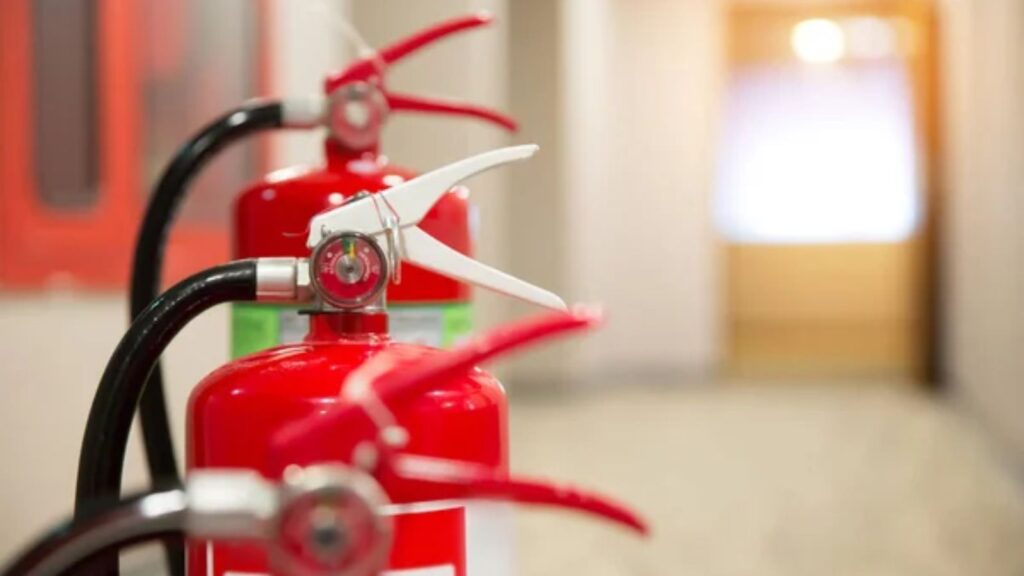
If you’re keeping candles, using a wood stove, cooking over a camp stove, or relying on any other source of flame, fire extinguishers should be part of your household safety plan.
Keep one in an easy-to-reach location near the kitchen and additional extinguishers where appropriate. Check them regularly to make sure they’re still within their service dates and ready for use.
Everyone in the household should also know where the extinguishers are and how to operate them.
Related: 15 Survival Plants You Can Turn Into Flour in an Emergency
Emergency Radio and Entertainment
An emergency radio can help you keep up with weather reports, evacuation information, and other local updates when the internet or cell service isn’t available.
Look for a model that can run on
And don’t forget entertainment. A deck of cards, books, puzzles, or a few games can be a welcome distraction during a long outage, especially if you have kids at home.
Multi-Tool or Swiss Army Knife
A good multi-tool puts several useful tools in one small package.
Depending on the model, you may have a knife, scissors, pliers, screwdrivers, a file, bottle opener, and other small tools all in one place.
It’s useful for little repairs, opening packages, cutting cord, tightening screws, and countless other jobs. Keep one in your emergency kit and consider carrying another in your vehicle or backpack.
Sewing Kit and Fabric
A small sewing kit can help you repair clothing, blankets, bags, and other fabric items instead of throwing them away.
Stock up on needles, several colors of thread, scissors, buttons, safety pins, and patches. A small collection of spare fabric can also be useful for repairs.
If you know how to sew, you can make or repair clothing, curtains, blankets, bags, and other household items. Even basic sewing skills can save a trip to the store when supplies are hard to find.
Canning and Fermenting Supplies
If you grow a garden or buy produce in large quantities, food preservation supplies can help you make your food last longer.
Keep canning jars, lids, rings, and other supplies on hand if you already know how to can safely. Extra lids are particularly useful because they are generally intended for limited reuse depending on the type and manufacturer’s instructions.
Fermenting supplies can also be useful for preserving certain foods. Learn the proper food-safety methods for whatever preservation technique you plan to use before relying on it for long-term storage.
Personal Hygiene Products
Personal hygiene is easy to overlook until you run out of something you use every day.
Keep extra soap, shampoo, toothpaste, toilet paper, paper towels, feminine hygiene products, diapers if needed, and other household necessities in your supplies.
A few weeks’ worth of basic hygiene products can make a long outage much more comfortable. You can also learn how to make simple household soap if you want another option for the future.
Build Your Supplies Before You Need Them
Being prepared doesn’t mean buying everything at once or filling your house with gear. Start with the things you use regularly and add a few extras whenever your budget allows.
Food and water may get most of the attention, but a
The best supplies are the ones you know how to use and can actually reach when you need them.