It’s easy to put something aside with the thought that you’ll use it someday. Maybe it was a gift, a bargain you couldn’t pass up, or something you bought for a project that never happened.
Then time passes. The item stays in the same drawer, closet, cabinet, or corner, quietly taking up room.
A little clutter here and there may not seem like a big deal, but those unused items can add up quickly. If you’re ready to clear some space, start with the things you already know you’re unlikely to use again.
Here are 12 common items that may be taking up more room than they deserve.
Old Cell Phones
If you have a drawer full of old cell phones, ask yourself why you’re keeping them. An outdated phone that no longer works or has been replaced by a newer one probably doesn’t need to sit around indefinitely.
Instead of tossing an old phone into the trash, look for a local electronics recycling program, retailer take-back program, or recycling center that accepts mobile devices. Some working phones may also be worth selling or donating.
Damaged Appliances
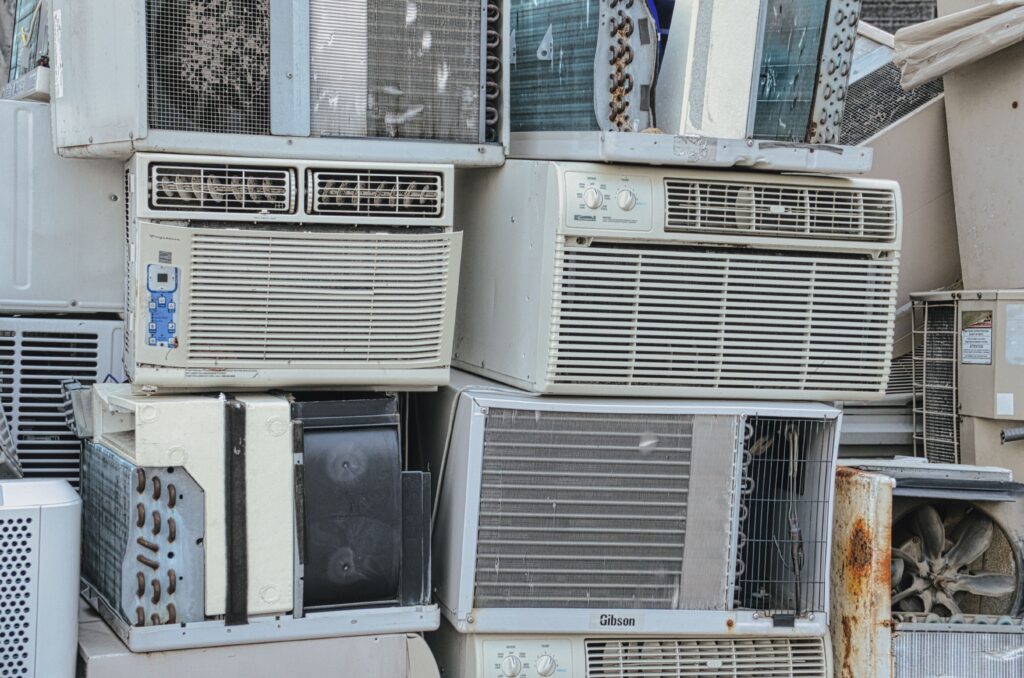
That broken toaster, coffee maker, blender, or other appliance may have been sitting in the kitchen cabinet or garage for months because you keep thinking you’ll fix it.
If you’ve already decided you’re not going to repair it, it’s taking up space for no reason. Check whether your local recycling center accepts small appliances, or look for a proper electronics or appliance disposal option.
Clearing out broken appliances can also give you more usable space in your kitchen.
Old Power Cords
A box full of mystery cords is almost a household tradition. There’s always that one cable you keep because you’re convinced you’ll eventually figure out what it belongs to.
Technology changes, devices get replaced, and those old cords can become useless. Keep the cables you still use, set aside any that belong to current devices, and recycle the rest through an electronics recycling program if available in your area.
Memorabilia
Sentimental items can be some of the hardest things to sort through. Old greeting cards, concert tickets, postcards, foreign train tickets, and other small souvenirs can bring back good memories.
That doesn’t mean you need to keep every single one.
Go through your memorabilia and pick out the pieces that mean the most to you. If several items tell the same story, choose your favorite and let the rest go. For particularly meaningful paper items, scanning or photographing them can give you a digital copy without taking up physical space.
Expired Medicine
Medicine cabinets can easily become a collection of old prescriptions, vitamins, and over-the-counter products that nobody remembers buying.
Check the dates and set aside anything that has expired or is no longer needed. Don’t simply flush or throw away every medication, though. Some medicines need special disposal because of the risks they pose if they end up in the wrong hands or enter the water supply.
The FDA provides information on safe medication disposal, including options for finding drug take-back locations.
If you’re unsure how to dispose of a particular medicine, check the label or ask a pharmacist.
And while you’re sorting, you can also clean up that crowded medicine cabinet.
Related: Vintage Remedies From Grandma’s Medicine Cabinet Worth Preserving
Damaged Clothing
Most people have a few pieces of clothing that have seen better days. A shirt with a permanent stain, socks with holes, or pants with a tear that can’t be repaired can sit in a drawer long after their useful life has ended.
If an item is badly damaged and you know you won’t repair or reuse it, there’s little reason to keep it taking up space.
Clothes with sentimental value are a different story. Keep those if they mean something to you. For everything else, sort items into piles for donation, textile recycling, repurposing, or disposal.
Clothes That No Longer Fit
Closets often hold onto clothes for years because we think we’ll wear them again someday.
Maybe they don’t fit anymore. Maybe your style has changed. Maybe you simply never liked the way they looked.
If you haven’t worn something in years and can’t see yourself reaching for it again, it may be time to let it go. Clothes in good condition can often be donated or sold, giving someone else a chance to wear them while freeing up room in your closet.
Free Stuff
Free doesn’t always mean useful.
Promotional tote bags, branded T-shirts, water bottles, mugs, keychains, and other giveaway items have a funny way of multiplying. You might accept them because they’re free, then realize months later that you have a closet full of things you never use.
Keep the items you actually need. Donate, recycle, or discard the rest according to the material and local rules.
There’s no real savings in keeping something you don’t want simply because you didn’t pay for it.
Expired Skincare Products
Makeup and skincare products don’t last forever. Old products can change in texture, smell, or appearance, and some can become irritating to your skin after they’ve been open for too long.
Go through your bathroom cabinets and check products you rarely use. If something has passed its recommended period of use, smells strange, has changed color or texture, or you can’t remember when you opened it, it’s probably time to get rid of it.
This is also a good opportunity to stop buying backups of products you rarely finish.
For food and household products, see this guide on expiration dates.
Unused Gym Membership
An unused gym membership doesn’t take up physical space in your house, but it can quietly drain your bank account every month.
If you haven’t been going and don’t realistically expect that to change, canceling the membership could free up money for something you actually use.
You can still stay active without a gym membership. Walking, cycling, home workouts, swimming, or outdoor activities may be enough for your needs.
If you’re keeping the membership because you feel guilty about canceling it, that’s probably a good sign that it’s time to take another look at the expense.
Hotel Samples
Those tiny hotel shampoo bottles and skincare products seem harmless. After all, they’re small, and you might use them someday.
Then you open a bathroom cabinet and discover a whole collection.
If you travel often and actually use the samples, keep a few. But if you’ve accumulated more than you could reasonably use, sort through them and get rid of anything you don’t want.
There’s no prize for having a drawer filled with tiny bottles.
Empty Boxes
Online shopping and deliveries can leave you with a surprising number of cardboard boxes. Some people keep them because they think they might need them later.
A few sturdy boxes can be useful if you’re planning a move or regularly ship packages. But there’s little reason to keep a huge stack of boxes just in case.
Break down the ones you don’t need and recycle them according to your local recycling rules. You’ll probably notice the difference in your storage space right away.
The goal isn’t to get rid of everything you own. It’s to stop giving valuable space to things that no longer serve a purpose. Once you start with a few easy items, clearing out the rest of the clutter can feel much less difficult.
Other Topics You Might Like
- 10 Strange Things That Are Surprisingly Smart to Stockpile
- How to Clean a Wood Cutting Board
- 15 Safe Ways to Clean a Cast Iron Skillet Without Ruining the Seasoning
- 12 Things Professional Organizers Would Never Store Under the Kitchen Sink
- 12 Small Habits That Make a Big Difference in Keeping Your Home Clean