Amish communities are known for their strong family ties, traditional crafts, and practical ways of managing daily life. Many Amish families pass down skills that help them grow food, repair belongings, preserve supplies, and make household goods by hand, though practices vary between communities.
You don’t have to give up modern conveniences to learn from these traditions. Knowing how to bake bread, mend clothes, grow vegetables, or preserve food can help you save money, cut waste, and become more self-reliant when supplies are limited.
Here are 15 traditional, Amish-inspired skills worth learning for your own household.
1. Canning and Preserving Food
Home food preservation lets families enjoy fruits, vegetables, jams, and other foods long after harvest season has ended. Learning safe canning methods can help you use more of your garden produce, reduce waste, and keep your pantry stocked for the months ahead.
Related: 17 Old-Fashioned Lessons Homesteaders Can Learn From The Amish Lifestyle
2. Growing and Managing a Garden
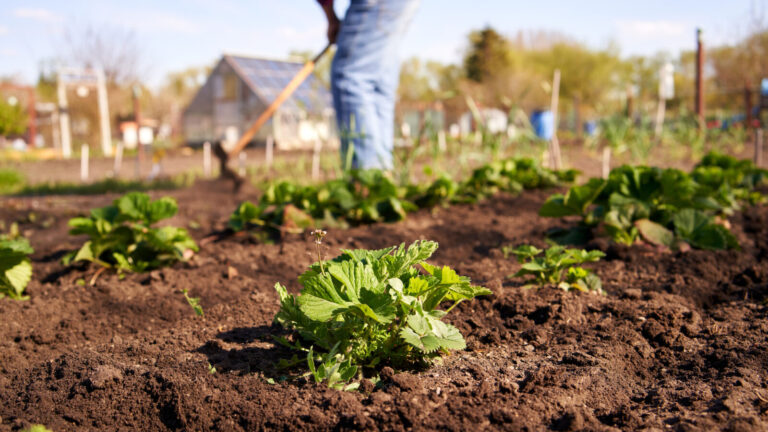
Growing vegetables, herbs, and fruits at home can lower grocery costs and give you fresh ingredients right outside your door. Learning about composting, seasonal planting, crop rotation, and seed saving can help you get more from your space.
3. Soap Making
Making soap at home lets you control the ingredients and create bars for personal use or gifts. The process requires careful measuring and safe handling of lye, so learn from a reliable soap-making guide before mixing your first batch.
4. Animal Husbandry
Raising animals for eggs, milk, meat, or fiber can provide valuable resources for a household with enough space and time for proper care. Starting with chickens or another animal suited to your property can teach you about feeding, housing, health checks, and daily livestock chores.
Related: 15 Safest Places for Preppers to Live When the SHTF
5. Woodworking
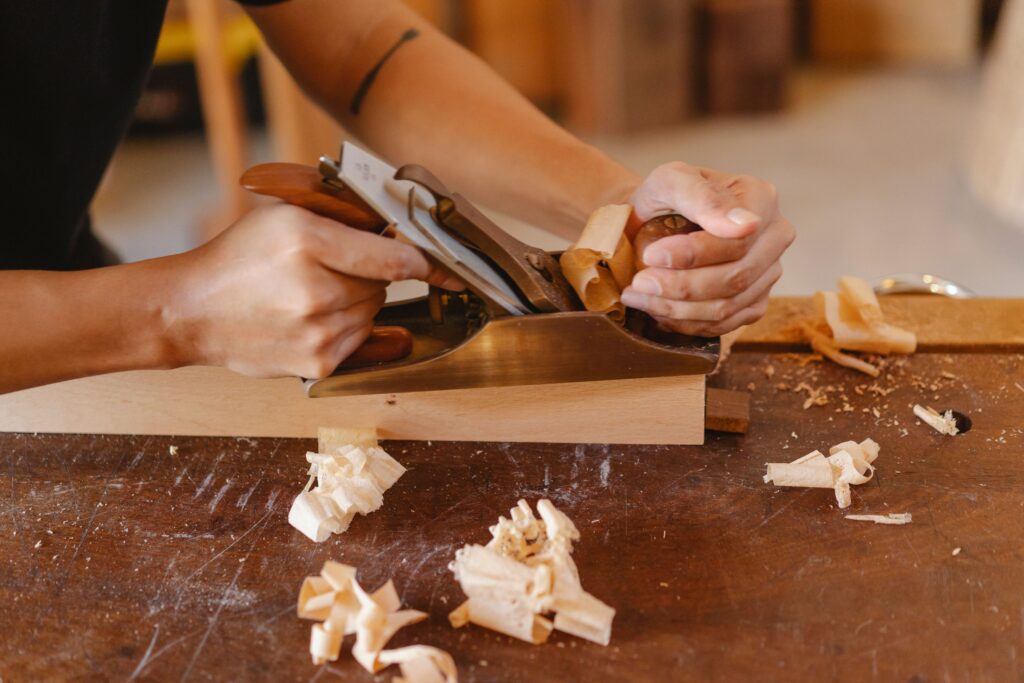
Traditional woodworking skills can help you repair furniture, build shelves, make simple tools, and handle small household projects. Learning to measure accurately, cut wood safely, and join pieces securely can save money on repairs and replacements.
6. Quilting
Quilting turns fabric pieces into warm blankets, bed coverings, and other household items that can last for years. It also gives you a practical way to reuse suitable fabric scraps and pass handmade pieces along to family members.
Related: 15 Old-School Skills Worth Learning From Our Grandparents
7. Blacksmithing
Blacksmithing involves heating and shaping metal to make or repair items such as hooks, brackets, and simple tools. A forge requires training, suitable equipment, and careful fire safety, but learning basic metalworking can be useful for people interested in traditional crafts and repairs.
8. Bread Baking
Making bread at home can cost less than buying specialty loaves, and you can choose the ingredients for each batch. Learning to bake yeast bread or maintain a sourdough starter gives you more options for making fresh bread from everyday pantry staples.
9. Sewing and Mending Clothes
Basic sewing skills let you replace buttons, repair seams, patch holes, and extend the life of garments. With a needle, thread, and a few simple supplies, you can fix many small problems instead of buying replacement clothing.
Related: 14 Practical Survival Skills You Can Learn Without Leaving Home
10. Growing and Using Herbs
Growing herbs such as mint, lavender, chamomile, and calendula can provide ingredients for cooking, teas, and simple household crafts. Learn how to identify plants correctly and check reliable safety information before consuming herbs or applying homemade preparations to your skin.
11. Candle Making
Candle making lets you create household lighting and handmade gifts using materials such as beeswax or other candle waxes. Learning to choose the right wick and container, and to handle hot wax safely, can help you make candles that burn as intended.
12. Cheese Making
Making cheese at home can turn fresh milk into foods such as paneer, ricotta, or other simple cheeses. Clean equipment, proper temperature control, and safe storage matter because homemade dairy products can spoil or carry harmful bacteria if handled incorrectly.
13. Building and Maintaining a Root Cellar
A root cellar uses cool conditions and appropriate humidity to store certain vegetables and other foods longer without relying on a refrigerator. Learning about ventilation, drainage, temperature, and which crops store well can help reduce post-harvest food waste.
14. Preserving Meat
Smoking, curing, drying, and other traditional methods have been used to keep meat for later meals. These methods require reliable food-safety instructions, since incorrect curing or drying can allow dangerous bacteria to grow.
15. Living With Less Waste
Repairing belongings, planning meals, sharing skills with neighbors, and making good use of available supplies can help a household spend less and throw away less. You can put these habits into practice without changing your entire lifestyle, starting with small routines that suit your home and budget.