Getting ready for emergencies takes time and money, from stocking your pantry to buying equipment and learning useful skills. If you’re trying to build up your supplies without straining your budget, a side hustle can help cover some of those costs.
Many preppers already have skills others would pay to learn or use, whether it’s growing vegetables, preserving food, repairing gear, or making things by hand. Here are 18 ways to turn those skills into extra income while continuing to work toward a more self-reliant lifestyle.
1. Homemade Canned Goods
If you already make jams, pickles, sauces, or preserved fruits, selling some of your homemade goods at local markets can bring in extra cash. Follow tested food-preservation recipes and check local rules for permits, labeling, and which foods you can legally sell from home.
Related: 15 Smart Ways to Prep Without Spending a Fortune
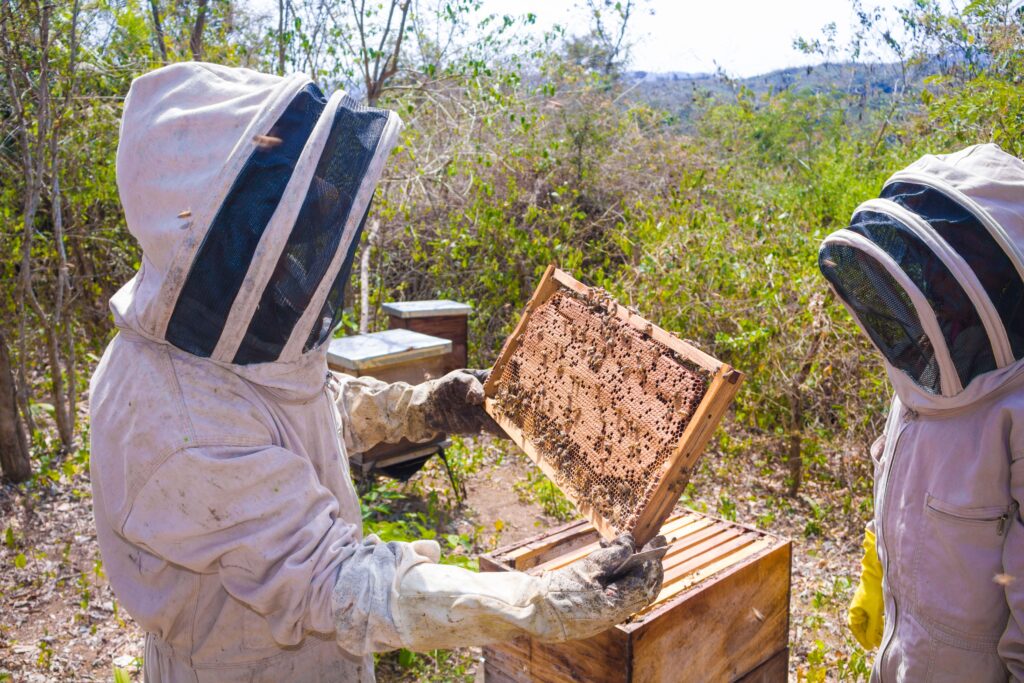
2. Beekeeping and Honey Production
A few healthy beehives can produce honey, beeswax, and other materials for handmade goods such as candles and wax-based products. You can sell extra honey or beeswax items locally, as long as you follow applicable food-selling rules, product labeling requirements, and beekeeping regulations.
3. Gardening and Seed Sales
A productive garden can supply extra vegetable seedlings, potted herbs, flowers, and seeds for other gardeners. Unusual vegetable varieties and heirloom plants may attract interest, though seed-saving rules and local restrictions on selling plants can vary.
Related: Easy Ways to Keep Your Grocery Bill Under Control
4. Handmade Soap and Natural Products
If you enjoy making soap, balms, or bath products, you could sell small batches at craft fairs or through local online groups. Research ingredient safety, labeling requirements, and applicable cosmetic or soap regulations before selling anything, and avoid making unproven claims about treating medical conditions.
5. Outdoor Survival and Bushcraft Classes
People new to camping and outdoor living may be willing to pay for beginner lessons in navigation, shelter building, fire safety, and other outdoor skills. If you have suitable training and practical experience, you can host small classes or workshops while following local rules and taking proper safety precautions.
Related: 15 Simple Ways to Turn Unwanted Household Items Into Cash
6. Herbal Products and Medicinal Plants
Growing lavender, peppermint, chamomile, and calendula can supply herbs for dried arrangements, teas, infused oils, and other handmade products. You could sell properly identified plants or finished goods at local markets, but check labeling rules and avoid claiming that your products can diagnose, treat, or cure illnesses.
7. Self-Sufficiency Consulting
People who are new to homesteading or emergency readiness may appreciate help planning a garden, organizing food supplies, or preparing for common household disruptions. If you’ve spent years developing these skills, you can offer one-on-one planning sessions or beginner workshops based on what you know.
Related: 14 Everyday Items Preppers Should Reuse Instead of Tossing
8. Woodworking and Carving
Woodworking can turn spare hours in the workshop into income through handmade shelves, cutting boards, signs, tool handles, and small pieces of furniture. Start with projects you can produce consistently, calculate material and labor costs, and sell through local craft fairs or online marketplaces.
9. Emergency Preparedness Kits
Some households would rather buy a ready-made collection of basic emergency supplies than research every item themselves. You could assemble kits containing items such as flashlights, first-aid supplies, water-storage containers, and basic tools, with options for families, campers, and drivers.
10. Raising Animals
Chickens, goats, rabbits, and other livestock can provide products you may sell locally if you have the right facilities and enough room to care for them. Extra eggs, young animals, composted manure, and other permitted products may bring in income, but check local livestock rules, animal welfare requirements, and food-safety laws before selling.
11. Aquaponics and Hydroponics Farming
Small aquaponic or hydroponic systems can produce leafy greens, herbs, and other crops in spaces where traditional garden beds aren’t practical. Depending on your skills and local demand, you could sell surplus produce to local customers or teach beginners how to build and maintain their own systems.
12. Homemade Tools and Survival Gear
If you’re comfortable working with wood, leather, or metal, you can make camping accessories, tool handles, storage solutions, leather pouches, and other practical goods. Focus on items you can make safely and consistently, and price them to cover materials, labor, packaging, and selling fees.
13. Foraging and Wildcrafting
Knowledge of local wild plants may lend itself to guided walks, identification classes, or selling permitted wild-collected materials. Learn to identify plants with certainty, respect private property and public-land rules, and check local restrictions before harvesting or selling anything.
14. Survival Gear Repair and Maintenance
Tents, backpacks, camping equipment, and outdoor clothing can often be repaired instead of replaced. If you have sewing, stitching, or general repair skills, you could charge to mend torn gear, replace buckles, fix seams, or maintain hand tools.
15. Write a Book
Years of work in gardening, food preservation, homesteading, or emergency planning can provide plenty of material for a practical guide. You could write a short digital book or a printed manual that walks readers through a subject you know well, then sell it through an online marketplace or your own website.
16. Start a Blog
A blog gives you a place to share gardening notes, food-preservation instructions, equipment reviews, and lessons from your homestead. Income may come from display ads, affiliate links, sponsored content, or digital products, though building regular readership usually takes time.
17. Freelance Writing
Websites, magazines, and small businesses often hire writers to produce articles about gardening, outdoor living, preparedness, and self-sufficient homes. If writing comes naturally to you, you can pitch article ideas to editors or look for freelance assignments that suit your knowledge and schedule.
18. Create Content on Social Media
Short videos, photos, and posts about real homestead projects can help you connect with people who share your interests. Once you’ve built an audience, you may earn through advertising, brand partnerships, affiliate links, or your own products, though income depends on audience size, engagement, and the platform’s rules.