Gardening advice gets passed down like rules you’re not supposed to question. Don’t do this. Always do that. Never try anything different. And never question why. And if you follow it all perfectly, you’ll have the perfect garden.
But most gardeners eventually learn something else. Real gardens aren’t perfect, and the gardeners who stick around long enough usually learn that the rules are more like suggestions.
Some of the best results come from ideas that look wrong on paper. The tricks that feel a little improvised. The moments when you stop following instructions and start paying attention instead.
These are the gardening tips that raise eyebrows. The ones that look lazy, messy, or slightly unhinged at first glance. The kind of ideas you wouldn’t admit to trying—until they work better than the “right” way ever did.
What they all have in common is this: they save time, reduce effort, and let nature do more of the heavy lifting.
Let Things Look a Little Messy
Perfectly cleaned beds might look tidy, but they’re not always healthier. Leaving fallen leaves, spent plants, or a few weeds in place creates shelter for beneficial insects and adds organic matter back into the soil.
A slightly wild garden often holds moisture better, supports more life, and requires less maintenance. Order isn’t the same as health, and neatness doesn’t always mean productive.
Mix Herbs and Flowers with Vegetables
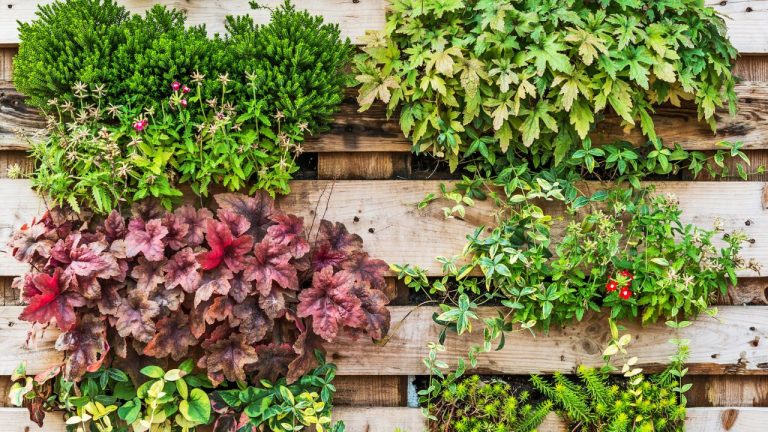
Keeping plants in neat, separate categories makes sense on paper, but gardens don’t benefit from strict separation. Mixing herbs, flowers, and vegetables improves pest control and pollination.
Plants like basil, marigolds,
Stop Feeding Plants Constantly and Feed the Soil Instead
More fertilizer doesn’t mean better results. Overfeeding can encourage fast, weak growth and damage roots. Gardens do better when nutrients are added slowly through compost, mulch, and organic matter.
Healthy soil supports strong plants without constant intervention. When the soil improves, watering and fertilizing become less urgent and far more forgiving.
Ignore the Calendar and Watch the Weather
Planting guides are helpful, but they don’t know your yard. Soil temperature, rainfall, wind, and light matter more than the date printed on a seed packet.
Trust what you see. If conditions feel right earlier or later than expected, adjust. Gardens thrive when timing follows observation, not strict schedules.
Yes, You Can Water in the Middle of the Day Sometimes
Morning watering is ideal, but midday watering isn’t the disaster it’s often made out to be. When plants are visibly stressed, a timely drink can prevent damage.
The key is watering the soil, not the leaves, and using this as a response to need, not a routine habit. Plants care more about relief than rules.
Use Kitchen Scraps, but Don’t Overdo It
Coffee grounds, banana peels, and eggshells all have a place in the garden, but moderation matters. These materials work best when composted or used sparingly rather than dumped directly around plants.
Small, steady additions improve soil health over time without throwing the balance off.

Stop Fighting Every Bug You See
A garden without insects doesn’t exist for long. Many pests bring predators with them, restoring balance if you let it happen.
Constant spraying disrupts that process. When you step back, beneficial insects often do the work for you. A few chewed leaves don’t mean failure; they’re part of the system.
Move Plants Around
Crop rotation isn’t just for large fields. Moving plants each season reduces disease, limits pest buildup, and helps soil recover.
Rotating flowers, herbs, and vegetables keeps the garden healthier without extra products or treatments.
Prune Less Than You Think You Should
Heavy pruning can stress plants, especially young ones. A lighter approach encourages natural shape and steadier growth.
Remove damaged or diseased branches, but let healthy plants decide how they want to grow.
Leave the Leaves
Fallen leaves are free mulch. They protect roots, improve soil as they break down, and reduce watering needs.
Raking everything away may look tidy, but it removes valuable nutrients the soil worked all season to build.
Grow What You Love, Even If It’s “Difficult”
Advice often tells beginners to stick to easy plants. That’s practical, but joy matters too. Growing something you actually love keeps you invested, even when things don’t go perfectly.
Plants don’t need perfection. They need attention, patience, and a gardener willing to adjust instead of quit.
Gardening Isn’t About Following Rules
The best gardens aren’t built by doing everything right. They’re built by noticing what works, keeping it, and letting go of what doesn’t.
If a tip looks silly but makes your garden healthier and your routine easier, it doesn’t need approval. Sometimes the rule-breaking ideas are the ones that finally make gardening feel natural.