Grandpa may not have had the fanciest tools or cutting-edge tech, but nothing can beat the knowledge gained from years of experience. I mean it, he’s literally seen it all. That’s why I trust his judgment.
More often than not, I catch myself flipping through his old notes for help, sometimes before it even occurs to me to search online. In this article, I’m sharing some of his timeless gardening tips. Who knows? One of them might be exactly what you need to solve that stubborn problem in your garden.
1. Always plant with the seasons, not the calendar

One mistake many gardeners make is relying too heavily on dates instead of actual seasonal conditions. A few decades ago, when the seasons were predictable and climate change wasn’t disrupting everything, that might have worked. But as Grandpa noted, the key to a successful harvest is planting when your local weather and soil say it’s time, not just because the calendar says it’s spring. And honestly, I agree.
Take tomatoes and peppers, for example; they require warm soil (above 60°F) and a zero risk of frost to grow well. But cool-season crops like
2. Save seeds from your best crops

Seed saving is one way to preserve traits like flavor, size, and resilience from the best-performing plants in your garden. It’s a very useful practice for plants like tomatoes,
Select the healthiest, ripest fruits or pods, and let them dry out thoroughly before storing in labeled paper envelopes. It’s an easy way to save money, support biodiversity, and grow plants that actually thrive in your local conditions.
3. Start composting early
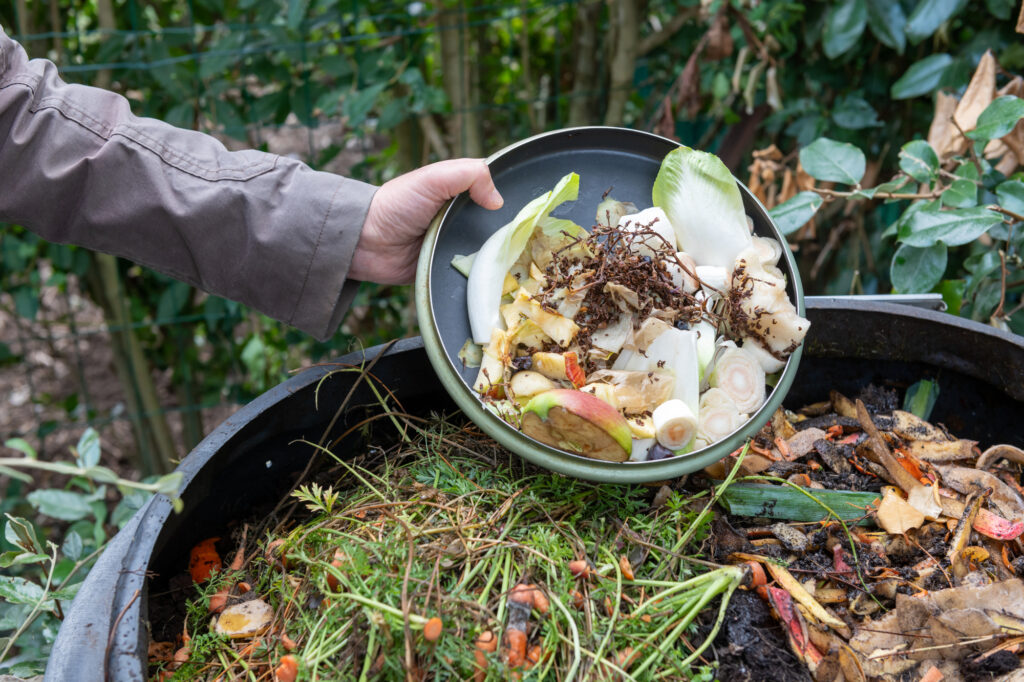
If there’s one habit that makes a big difference in the garden, it’s composting. Over time, it builds rich, healthy soil that your plants will thrive in. If you’ve been skipping it, now’s the perfect time to get back on track.
Start a compost bin with kitchen scraps, yard waste, and leaves as soon as possible, and let nature take care of the rest. By composting early, you’ll have quality humus to improve soil fertility each spring. Healthy soil retains moisture better and supports stronger plant root systems.
How to Improve Garden Soil Without a Compost Pile
4. Water deeply, not frequently

Unless your plants are drought-resistant, focus on watering deeply once or twice a week rather than doing frequent shallow watering. Frequent shallow watering, on the other hand, only wets the top layer of soil. It leads to weak, surface-level roots and thirsty plants that stress out quickly in heat or drought.
Deep watering, on the other hand, helps roots grow deeper into the soil, making plants tougher and better able to withstand heat or dry spells. It works best if your plants are already established and the soil drains well. If you’re not sure when to water, just stick your finger in the soil and water only if the top inch feels dry.
How to Water Your Garden The Right Way
5. Weed a little every day

Weeds settle when unattended. Spending just five minutes a day pulling weeds with your hands or a hand fork prevents them from taking over. It’s also way easier than spending an entire weekend wrestling with thick mats of deep-rooted weeds. Your daily efforts eventually add up to give your beds a great look, and your plants won’t have to compete for nutrients, space, or sunlight.
Tired of Pulling Weeds? 15 Ground Covers That Help Suppress Weeds
6. Use crushed eggshells to deter pests and enrich soil

Don’t throw out eggshells. Crushed eggshells can discourage pests like slugs and snails when sprinkled around seedlings. Slugs hate crawling over rough surfaces and will avoid your garden patch.
Over time, the calcium from shells leaches into the soil, and plants absorb it as they grow and develop. This also helps to prevent blossom end rot in tomatoes and peppers. Rinse, dry, and crush the shells before use, and apply them sparingly, as excessive use can overly raise the soil pH.
Here’s Why You Should Never Throw Away Another Eggshell
7. Never plant tomatoes in the same spot twice

Tomatoes are particularly susceptible to soil-borne diseases such as rot and blight. To avoid crop restart issues, wait at least three years before planting tomatoes (or other nightshade crops, such as peppers or potatoes) in the same location. Instead, rotate them out and refresh the bed with compost or cover crops, such as clover or vetch.
16 Common Tomato Pests Hiding in Your Garden
8. Rotate crops each year to keep the soil healthy

Speaking of crop rotation, it’s still one of the most effective ways to break pest and disease cycles while maintaining balanced soil nutrients. The key is to avoid planting the same plant family in the same spot more than once every 3 to 4 years. My grandpa swore by this simple rotation: legumes, brassicas, root crops, then fruiting crops like tomatoes.
It worked because each group set the stage for the next. Legumes fix nitrogen for brassicas, which in turn help loosen the soil for root crops. Root crops improve drainage while reducing pest buildup for fruiting plants. Over time, this type of rotation helps build healthier soil and keeps disease pressure low.
9. Use coffee grounds to boost acid-loving plants
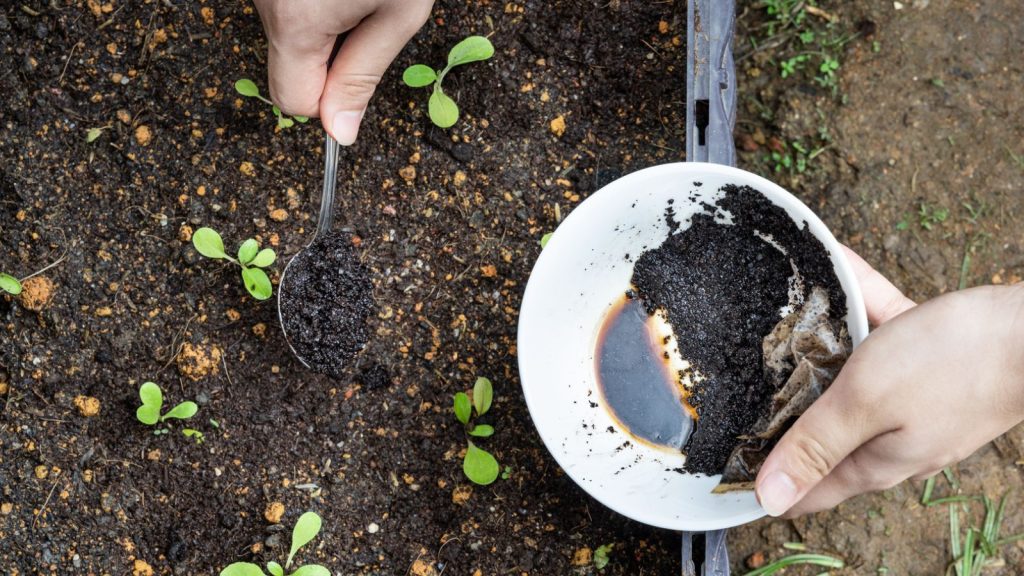
If you love morning coffee, you already have the material to boost your soil pH. Spread used coffee grounds thinly under acid-loving plants like blueberries, azaleas, or ferns. They slowly release nitrogen and slightly lower soil pH. Be careful not to pile a scoop in one spot, as it can burn seedlings. Instead, dilute the grounds by mixing with compost or soil to prevent mold and pH imbalances.
10. Observe your garden daily

Grandpa walked his rows every day, just as he walked the dog. He watched for droopy or discolored leaves in the morning, chewed holes on leaves, odd growth patterns, or tiny clusters of aphids.
Regular observation helps you catch problems early, and early detection can be the difference between a quick fix and a complete overhaul. Set aside ten minutes to walk the beds every day; it’ll give you time to notice what’s working or not.
11. Prune when it’s cool

It’s better to prune in the morning (usually before the sun fully rises) when temperatures are cooler and plants are still moist. It helps reduce stress and the spread of disease. You can also trim in the late afternoons or evenings; the key is to avoid trimming while it’s hot.
Plants tend to recover more quickly when trimmed under these conditions, as the cuts seal faster and sap loss is minimized. Use sharp, clean tools and avoid removing more than one-third of the plant at once to preserve it. This also applies to cutting flowers.
25 Perennials to Prune Before Summer Ends
12. Keep your tools sharp and clean

Dull
13. Use companion planting strategically

Companion planting means pairing plants that support each other’s growth. Some repel pests, attract pollinators, fix nutrients, or even enhance flavor. For example,
Companion Planting Guide for Beginners
14. Harvest in the morning for the best flavor
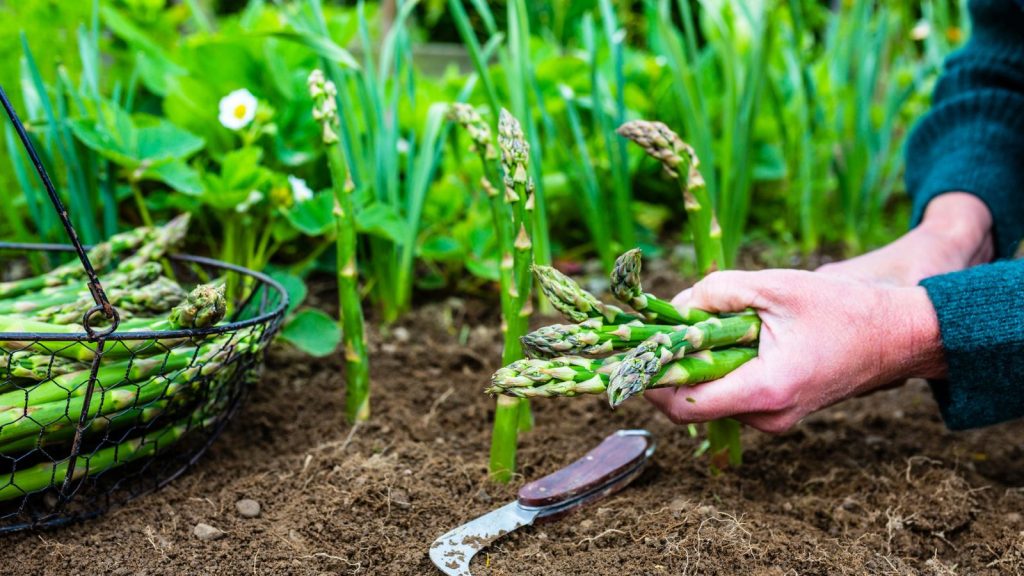
Picking fruits, herbs, and vegetables before the midday sun comes out preserves flavor and shelf life. The plants are still well-hydrated, and the flavors are more concentrated in the fruits. Produce harvested in the morning often stays fresher longer and tastes noticeably better.
15. Let some plants go to seed to attract pollinators
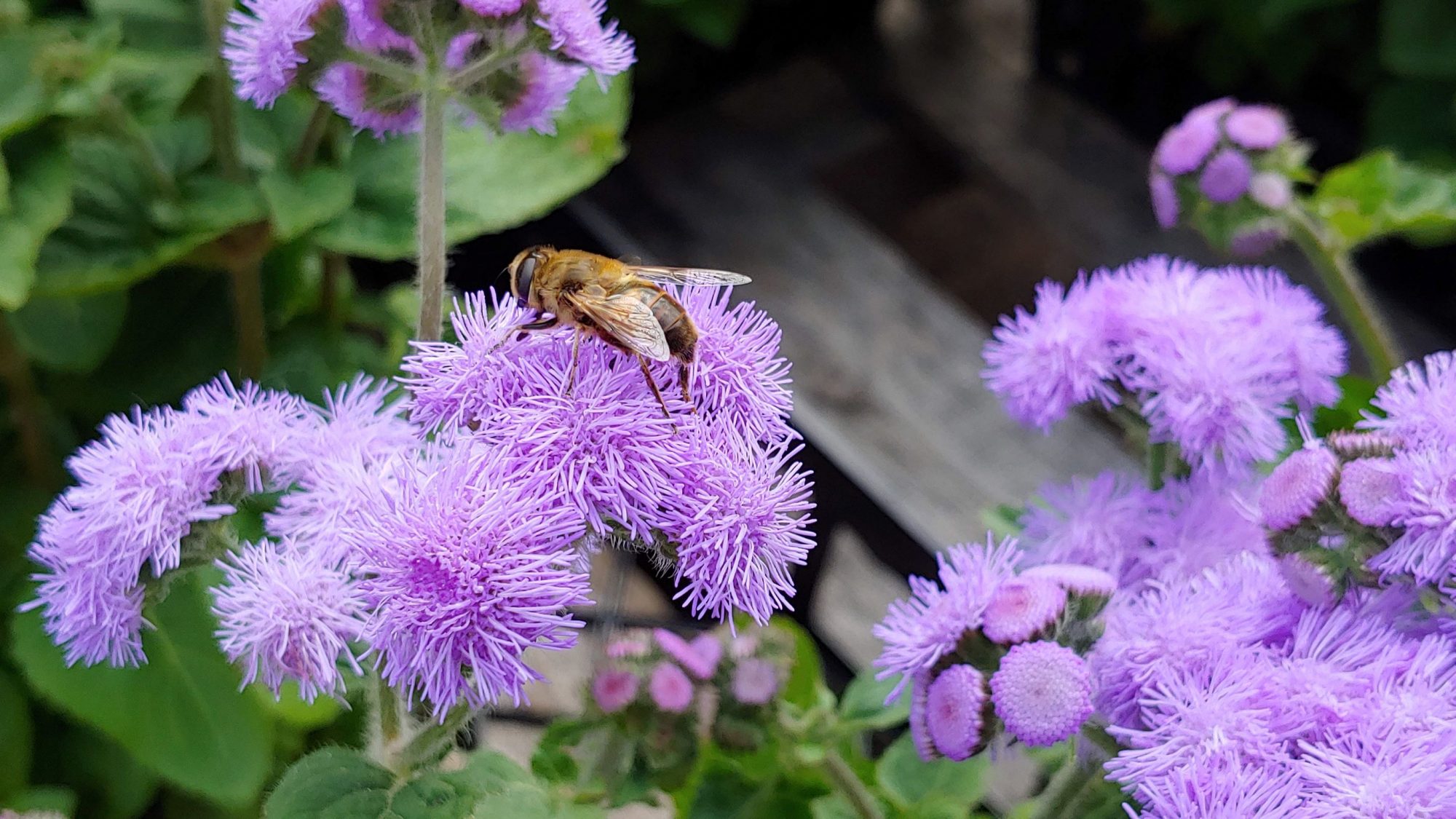
Leaving a few plants to flower and set seed is a natural way to attract pollinators and beneficial insects. The flowers provide nectar, while the seed heads offer food and habitat. Plus, some of these plants will self-sow, giving you new seedlings each year. It’s an easy way to support biodiversity and natural plant cycles.
18 Survival Skills Our Great-Grandparents Knew That Most Of Us Today Don’t

Many activities were once essential survival skills, but today, they’ve been forgotten by many. While technology has certainly made life easier, previous generations didn’t have these systems, making them far more self-sufficient. Here are 18 basic skills they mastered that many people today have no idea how to do.
18 Survival Skills Our Great-Grandparents Knew That Most Of Us Today Don’t
14 Pretty Flowering Shrubs and Bushes to Boost Curb Appeal
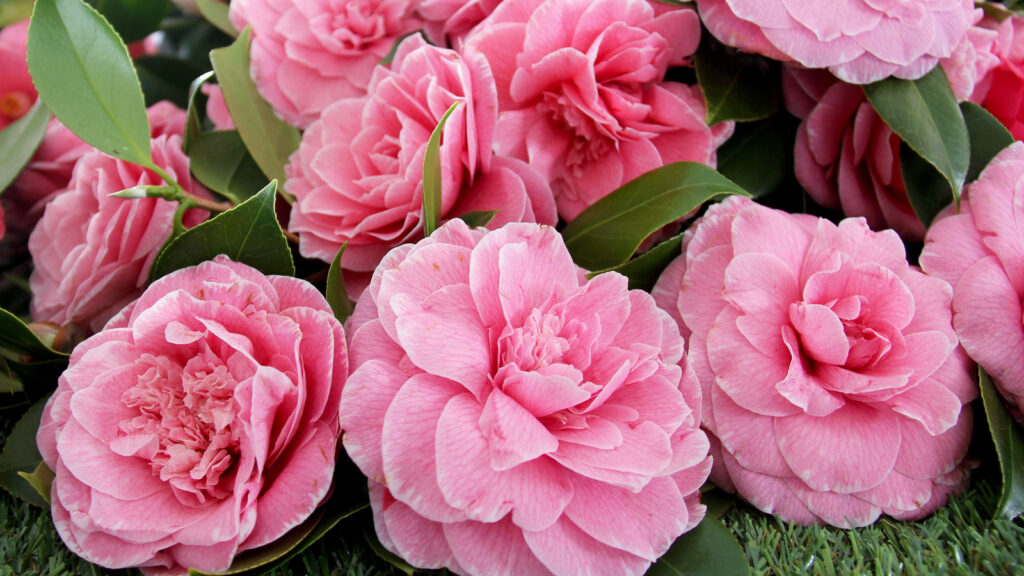
Choosing the right shrubs and bushes is important for both appearance and functionality in your landscape design. These plants help increase your home’s curb appeal by providing color and beauty from spring through fall. Here are 14 attractive flowering shrubs and bushes to enhance your curb appeal.
14 Pretty Flowering Shrubs and Bushes to Boost Curb Appeal
28 Budget-Friendly Front Yard Ideas for Stunning Curb Appeal

Improving your home’s curb appeal not only presents well but can also boost your home’s value. Here are 28 to give your front yard the attention it deserves and transform it into a beautiful and inviting space you can be proud of.
28 Budget-Friendly Front Yard Ideas for Stunning Curb Appeal