
Tomatoes might be known for being beginner-friendly garden plants, but their lush leaves and juicy fruits make them a prime target for pests. Whether it’s sap-sucking aphids or root-munching worms, these pests can quickly turn your dreams of abundant tomato harvests into a frustrating gardening battle.
Here’s a look at some of the most common tomato pests and practical ways to prevent and control their damage.
1. Hornworms

Hornworms are large green caterpillars that feast on the foliage of tomato plants. They can be identified by the prominent ‘horn’ at the rear end of the body.
The best way to control a hornworm infestation is to pick them off the plant or spray them with insecticidal soap. To prevent hornworms, plant nectar-rich flowers like dill, fennel, and
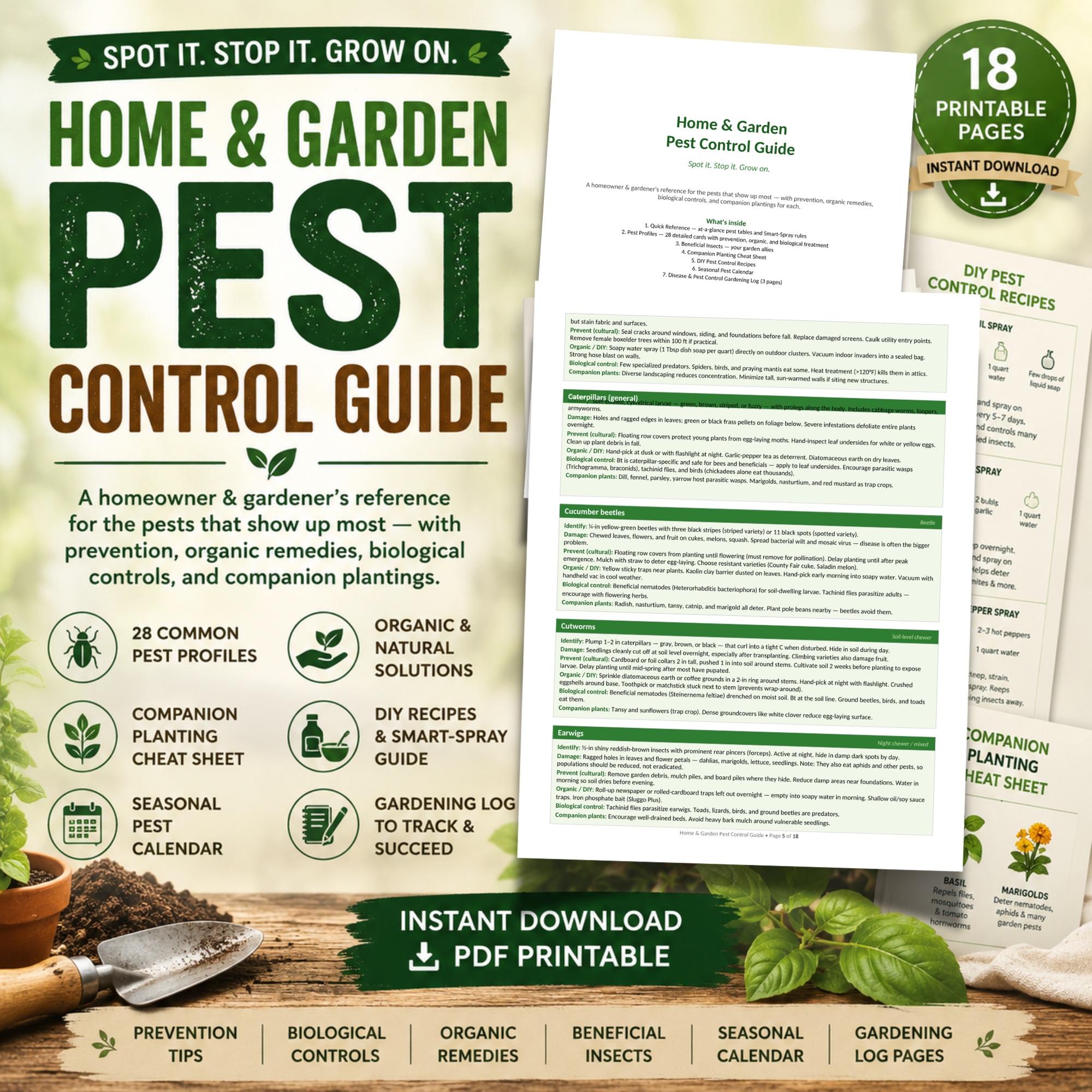
18-page quick guide and reference for gardeners dealing with pests that show up the most. From prevention strategies to treatment and remedies, this is the perfect printable for your garden.
2. Cutworms

Cutworms are small green-grey caterpillars that eat through the stems of young tomato plants. They only feed at night, so it can be difficult to spot until the damage has been done, by which time it may be too late to save your carefully nurtured tomato plants.
The best way to prevent cutworm damage is to place a small collar around the base of each plant, sinking it at least an inch into the ground. Plastic yogurt pots with the bottom removed are ideal for this purpose.
3. Spider Mites

Red spider mites feed on the sap of tomato plants, causing the leaves to become yellow and mottled. They thrive in hot, dry conditions and can reproduce quickly – once a spider mite infestation is spotted, it may be too late to save your plant.
Unfortunately, spider mites can be difficult to deter, so vigilance is essential to spot signs of these tiny insects as soon as they appear.
Sprinkling the soil with hot pepper flakes and garlic powder can help stop them from moving from plant to plant, and insecticidal soap is an effective treatment in the early stages of infestation. Badly damaged plants should be removed promptly and burned.
4. Aphids

Aphids are small pear-shaped insects that can be yellow, pink, green, or black in color. They form colonies on the stems and leaves of tomato plants, sucking the sap and weakening the plant.
Tomato plants can generally recover from minor damage caused by aphids, and the best control method is to attract beneficial insects that feed on aphids.
Marigolds, sweet alyssum, sunflowers, and feverfew will draw in ladybugs, lacewings, and hoverflies, all of which help to keep aphid populations under control.
5. Colorado Potato Beetles

Although it may be called a potato beetle, the Colorado beetle also eats tomatoes, eggplant, and peppers. Both adult Colorado potato beetles and their larvae feed on the leaves of tomato plants, weakening the plant and causing low yields.
Colorado potato beetles hide in plant debris on the soil surface, so regular tilling can help keep them under control. In the event of an infestation, adult beetles can be picked off by hand and regular application of Bacillus thuringiensis will reduce larvae numbers.
6. Flea Beetles

Flea beetles are small, shiny beetles that can leap into the air like fleas. They feed on tender young leaves, creating holes and ragged edges that can weaken the plant.
Dusting the leaves of tomato plants with talcum powder can help to repel flea beetles. Row covers placed over young tomato plants will protect them from flea beetles while they become established.
7. Psyllids

Psyllids, also known as jumping plant lice, cause the leaves of tomato plants to turn yellow and curl. Adult psyllids can be hard to detect, but look out for the tiny yellow eggs they lay on the underside of leaves.
The best control method for psyllids is
8. Whiteflies

Whiteflies are tiny flying insects that suck the sap from the leaves of tomatoes, weakening the plant and causing poor crop yields. They can also increase the risk of fungal infections such as powdery mildew.
The easiest way to get rid of whiteflies is to spray the underside of the leaves with an organic dish soap and water mix. Dragonflies, spiders, and parasitoid wasps all like to feed on whiteflies and will quickly get an infestation under control.
9. Stalk Borers

Stalk borers are small, slender caterpillars that tunnel into the stems of tomato plants. As the name suggests, they are difficult to spot until it is too late and the plant is damaged beyond hope.
Keep the soil clear around your tomato plants and mow grassy areas regularly to deter stalk borers. Ladybugs and lacewings feed on the eggs and larvae of stalk borers, helping to keep numbers low and reduce the risk of damage.
10. Thrips

Thrips are very small winged insects that thrive in hot, dry conditions. They are often a problem in tomatoes grown in glasshouses and grow tunnels, causing distorted growth and blossom drop.
Blue sticky traps effectively control thrip populations in enclosed spaces such as glasshouses. Predatory mites can also be purchased as a natural biological control of thrips.
11. Leaf Miners

The larvae of leaf miners tunnel through the cells of tomato plant leaves, causing characteristic lines along the surface and underside. If the damage is extensive, it can affect photosynthesis and reduce crop yields.
To control leaf miners, hang yellow sticky traps near tomato plants to trap the adult flies. Damaged leaves should be removed and destroyed before the larvae can pupate.
12. Wireworms

Wireworms, the larvae of click beetles, dwell underground, where they attack the roots of tomato plants. Damaged plants will quickly wilt and die, often before you even realize the damage has been done.
Birds love to feed on wireworms, so attract them to your garden by providing nesting spots and food sources. To capture live wireworms in the soil, bury a cut potato for a couple of days – wireworms will burrow into the potato, which can then be removed and discarded.
13. Armyworms

Armyworm caterpillars eat both the fruits and leaves of tomato plants. They mainly feed at night and can be identified by the yellow stripe down the side of the body. The eggs on the leaves’ underside are covered in a white, fluffy substance.
In the event of an armyworm infestation, handpicking at night is the fastest way to get them under control. Biodiversity in the vegetable plot will attract many predators that enjoy feeding on armyworms.
14. Tomato fruit worms

The tomato fruit worm, or corn earworm, is a moth caterpillar that damages the flowers and fruits of tomato plants. It burrows inside tomatoes and causes the fruit to become deformed and inedible.
Damsel bugs, lacewings, and parasitoid wasps feed on this troublesome pest’s larvae, so plant different annual flowers to attract beneficial insects. Inspect plants regularly, removing and destroying leaves with eggs or newly hatched larvae.
15. Stink bugs

Stink bugs are shield-shaped insects that damage both green and ripe tomatoes. They cause poor growth and fruit deformities and can also increase the risk of yeast infection in tomato crops.
Immature stink bugs gather under tomato leaves and can be picked off by hand.
16. Slugs and Snails
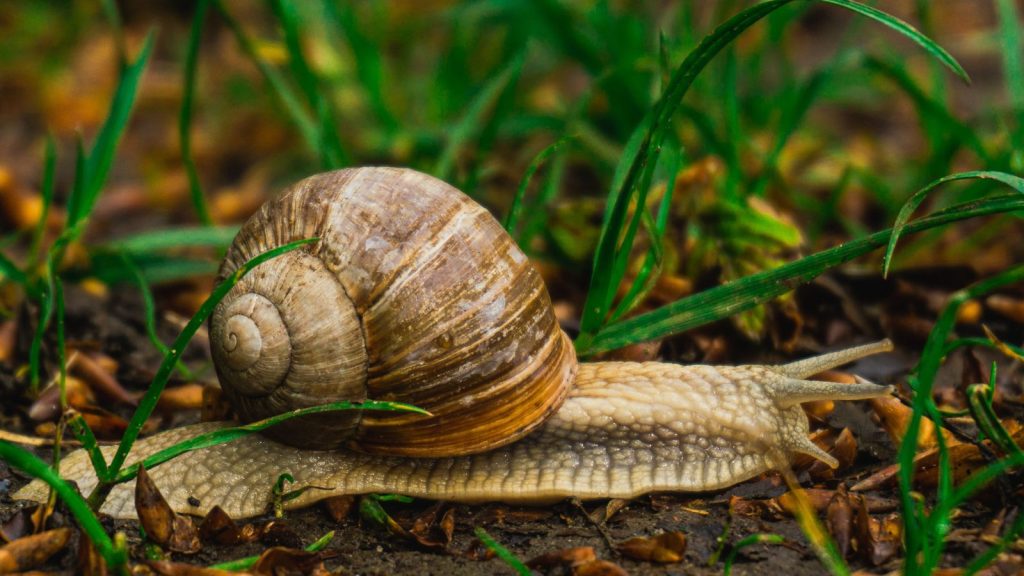
Slugs and snails can cause damage to your tomato harvest, especially with a growing population. Try picking them off by hand. If hand-picking doesn’t work, vinegar is effective at deterring soft-bodied pests.
Spray undiluted vinegar around the edges of your garden beds. This creates a barrier that slugs and snails are unlikely to cross, offering a safe and natural alternative to harsh chemicals.