Gardening advice is everywhere, from magazines and online forums to well-meaning neighbors. Some tips are truly helpful, while others can set your garden back, leaving you frustrated and wondering what went wrong. Many of the most common pieces of “essential” gardening advice sound perfectly reasonable… until you try them.
Let’s bust some of these myths so you can skip the bad advice and give your plants the care they actually need.
Giving Plants an “Extra Deep Soak” for Better Growth
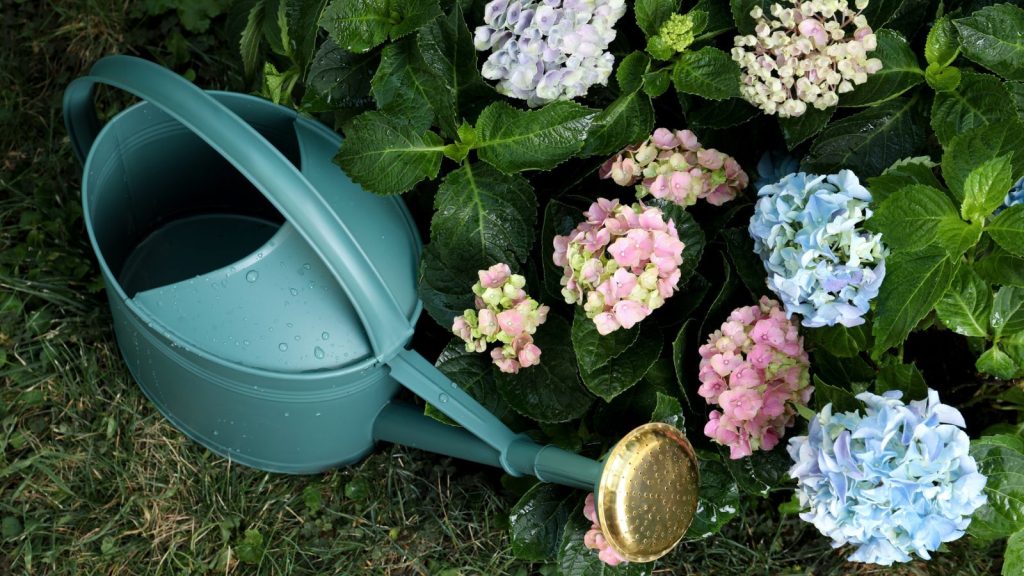
The idea is that a heavy soak will encourage plants to grow stronger roots. But for shallow-rooted plants like
Instead, water plants thoroughly on a regular schedule, rather than all at once to the point of saturation.
Using Coffee Grounds as a Miracle Fertilizer
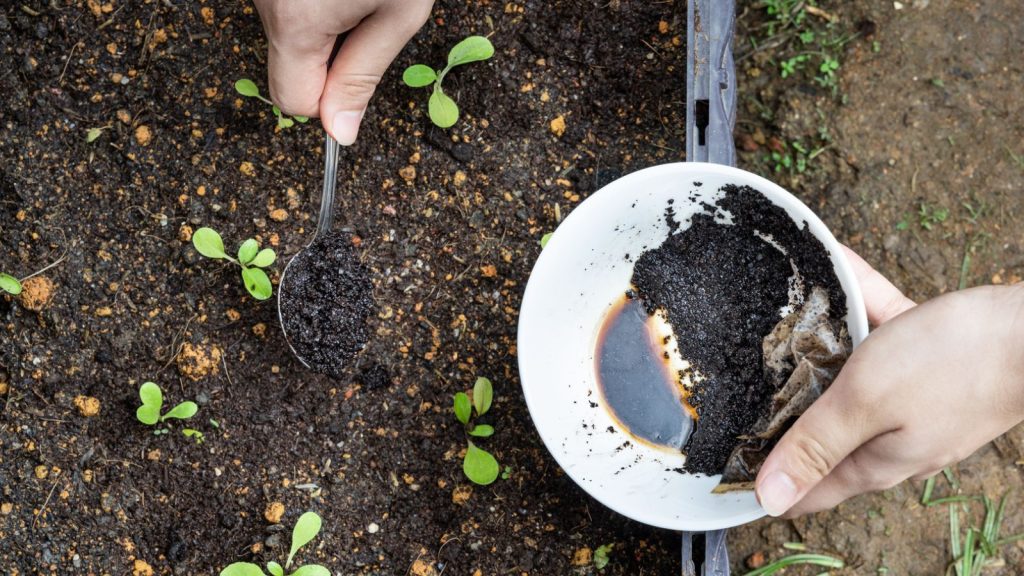
Coffee grounds can add nitrogen, but they’re also acidic and can change soil pH in ways that harm many plants. While blueberries love them, most plants don’t.
If you want to use coffee grounds, compost them first instead of adding them directly to the soil.
Giving Plants Direct Sunlight All Day Long
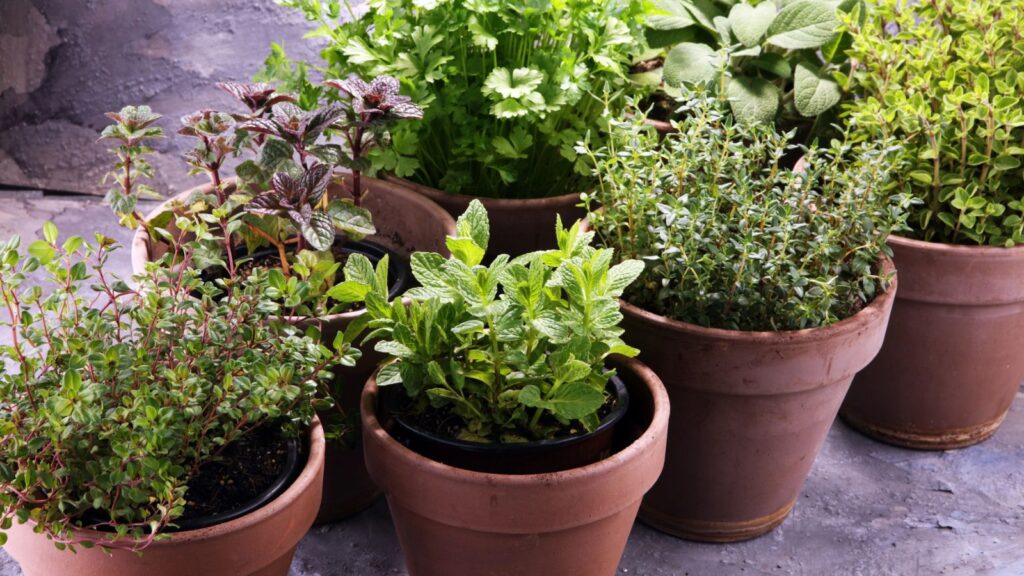
Some plants thrive in full sun, but others, like ferns, impatiens, and certain herbs, will burn and wilt under constant direct light. Always check your plant’s sunlight needs before giving it a spot in direct sunlight.
Pruning Everything at the Start of the Season
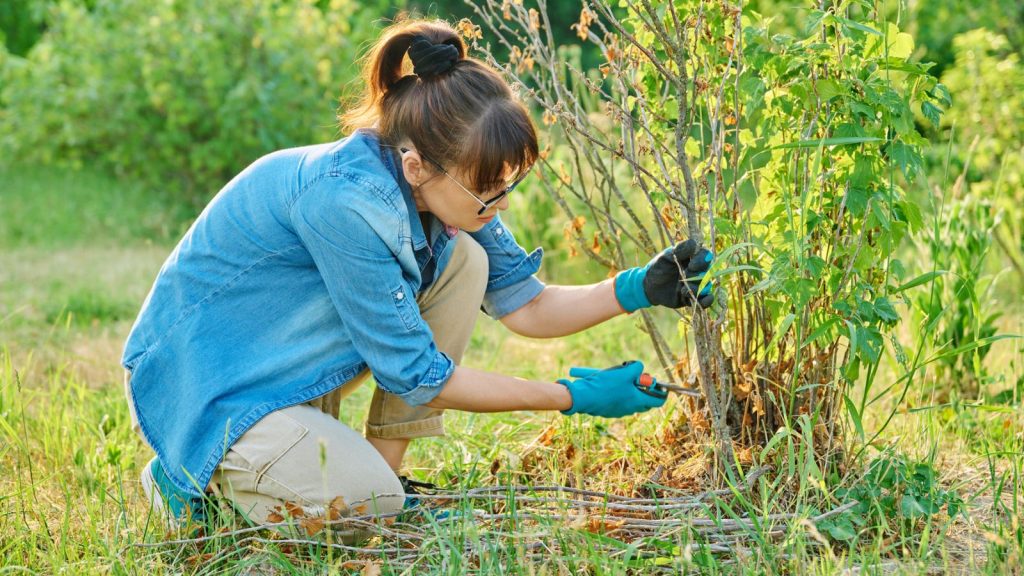
Not all plants benefit from early-season pruning. For example, pruning lilacs too early can result in lost blooms. Learn the proper pruning time for each plant before reaching for the
Using Epsom Salts for Every Plant Problem

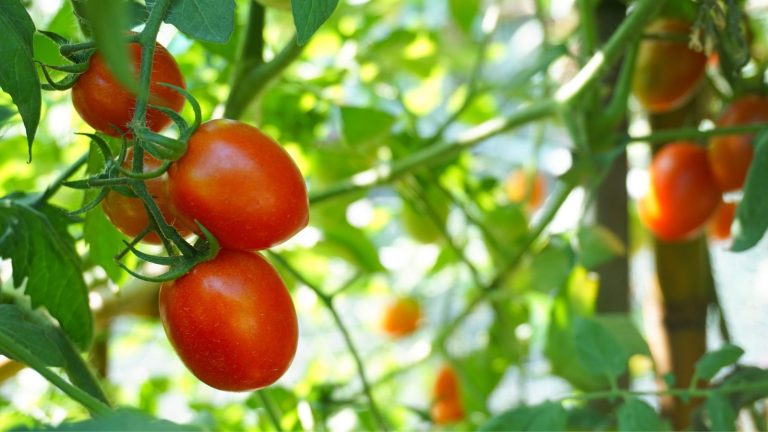
Epsom salts (magnesium sulfate) can help certain plants, such as tomatoes, with a magnesium deficiency. However, overuse can disrupt soil nutrient balance and harm plants. Use them only when you know your soil actually needs them.
Spraying Soap Water on All Pests

A soap solution can be effective against soft-bodied pests like aphids, but it can also damage plant leaves and harm beneficial insects. Always identify the pest first and choose the right treatment.
Planting Seeds Super Close for Bushier Growth
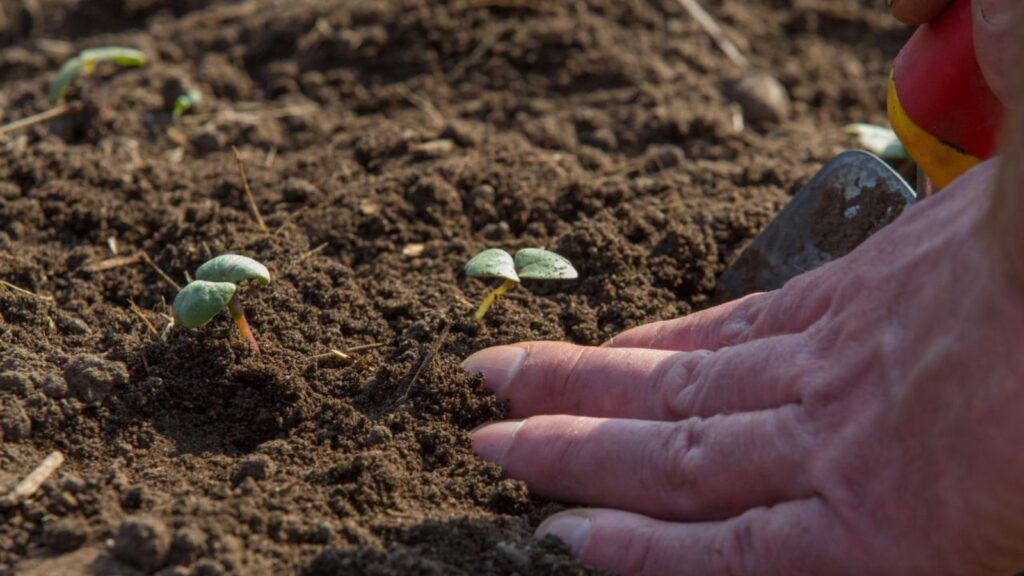
Overcrowding forces plants to compete for sunlight, water, and nutrients, often leading to weak, spindly growth and a higher risk of disease. Follow spacing recommendations on seed packets to give plants room to thrive.
Fertilizing Every Week

Too much fertilizer can cause “nutrient burn” and stress plants. A balanced feeding schedule based on your plants’ needs is far more effective than constant fertilizing.
Watering Plants in the Middle of the Day to Cool Them Down
Midday watering wastes water through evaporation and can scorch leaves as droplets magnify sunlight. Water early in the morning so moisture reaches the roots before heat builds.
Using Garden Soil for Potted Plants
Garden soil is often too dense for use in containers, leading to poor drainage and compacted roots. Use a quality potting mix designed for container gardening instead.
Watering Your Lawn Every Day
Daily
Assuming “Natural” Pesticides Are Always Safe
Natural doesn’t always mean harmless. For example, pyrethrin — derived from chrysanthemums — is toxic to bees and other beneficial insects. Use all pesticides sparingly, natural or not.
Watering a Little Every Day

Shallow watering encourages shallow roots, making plants more vulnerable to drought. Deep, infrequent watering helps roots grow deeper and stronger.
Leaving Fallen Fruit in the Orchard for “Wildlife”
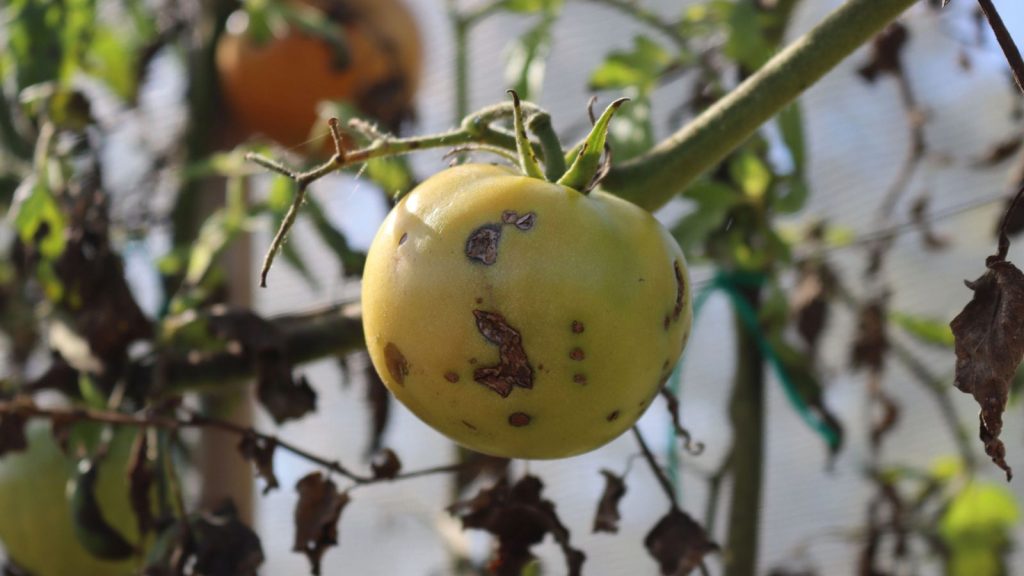
While it might seem generous, rotting fruit attracts pests, spreads disease, and can invite rodents into your garden. It’s better to compost it promptly.
Watering Leaves Instead of Roots
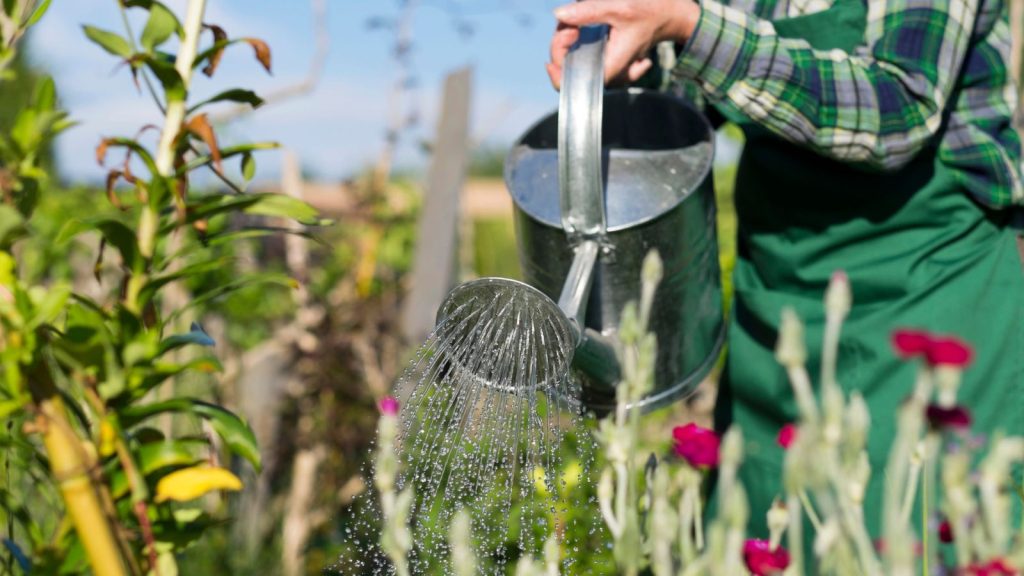
Overhead
All Bugs Are Bad
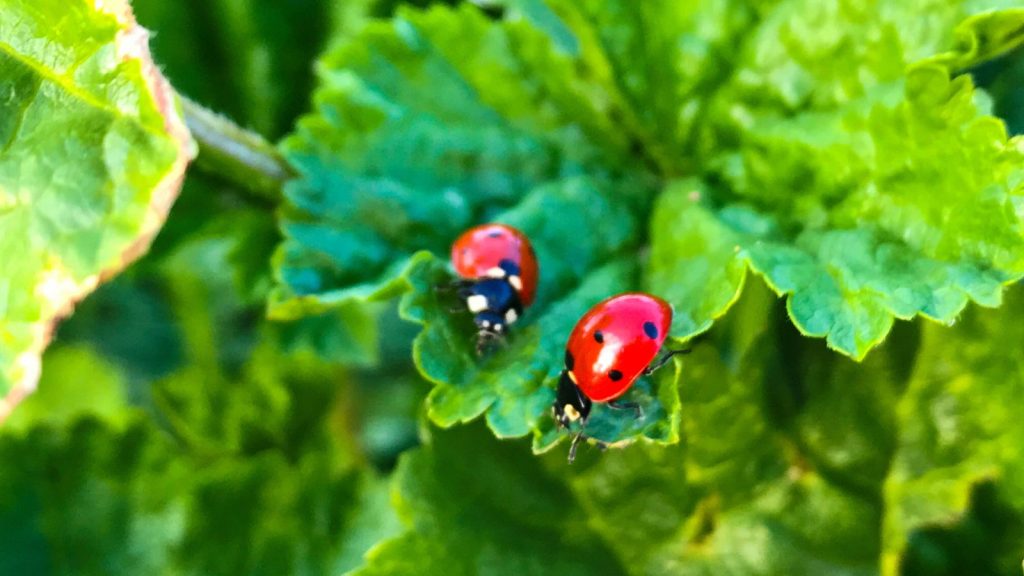
Many insects are beneficial pollinators or predators of pests. Killing all bugs indiscriminately can upset the balance of your garden and invite more pest problems.
12 Natural Ways to Get Rid of Weeds in Your Garden

While we may tolerate certain weeds like dandelions, most gardeners aim to remove these undesired plants from their gardens—for good. To help you get rid of weeds in your garden, here are 12 natural methods to consider.