For years, a perfectly green lawn was considered the ultimate sign of a well-kept yard. But let’s be honest, keeping grass looking good takes a lot of mowing, fertilizing, watering, and constant upkeep.
It’s no wonder more and more homeowners are searching for low-maintenance alternatives that look great without all the hassle.
One of the best solutions is replacing traditional grass with no-mow ground covers. These plants stay low, spread beautifully, and require far less care than a conventional lawn. If you’re tired of constant mowing and yard work, these easy-care lawn replacements might be exactly what you need.
Silver falls (Dichondra repens)

The small, kidney-shaped leaves of silver falls create a soft, green carpet that can withstand light foot traffic. It prefers full sun or partial shade and gives the appearance of a lawn without the need for frequent mowing.
Silver falls can be grown from seed or small plugs and require consistent moisture until well established. It can tolerate most soil conditions and happily trails over rocky or uneven ground.
Creeping Mazus (Mazus reptans)

Creeping mazes are fast-growing ground covers that produce tiny purple or white flowers on a bed of lush green foliage. They’re an excellent choice for areas that receive moderate foot traffic, particularly in full sun or partial shade.
Plant creeping mazes in the spring or fall, spacing plants 6-12 inches apart. Water regularly during dry periods and prune any unwanted growth.
Creeping Thyme (Thymus serpyllum)

Creeping thyme is an excellent alternative to grass, forming a dense mat of lush, green foliage that produces tiny, fragrant flowers throughout the summer. It tolerates drought and heavy foot traffic and rarely requires mowing. This grass alternative is best suited for areas with hot, dry summers.
To establish creeping thyme, plant young plugs spaced 6-12 inches apart in the spring or early fall. Mulch around the plants to suppress weeds, and water regularly until they are well-established.
Irish Moss (Sagina subulata)

Irish moss is the perfect grass alternative for shady, moist areas. It forms a dense mossy carpet of tiny leaves and small white flowers. It stays green all year round and readily roots into gaps between stones and rocks.
Plant Irish moss in early spring or fall, spacing the plugs about 6 inches apart. Water regularly until the plant is well established, particularly during dry spells.
Creeping Jenny (Lysimachia nummularia)

Creeping Jenny is an excellent option if you want a grass replacement in a hurry. It grows rapidly and quickly fills large areas. Once established, Creeping Jenny requires minimal maintenance, aside from occasional pruning to control its spread.
Space creeping Jenny seedlings 12-18 inches apart, watering regularly until well established. Mulch around the plants to control weeds and improve water retention.
Blue Star Creeper (Isotoma fluviatilis)

Blue star creeper is the ideal ground cover for areas under trees or in dappled shade. Once established, it can handle foot traffic well and requires minimal maintenance. The tiny, star-shaped, blue flowers are beautiful during the spring months.
To establish blue star creeper, plant young plugs about 6 inches apart in the spring or fall. This plant spreads rapidly but can be contained within the intended area with the use of landscaping fabric.
Bugleweed (Ajuga reptans)

Bugleweed is a fast-growing ground cover with attractive green, bronze, and purple foliage. It suppresses weeds and spreads rapidly, particularly in partial to full shade.
Plant bugleweed in the spring or fall, spacing the plants 8-12 inches apart. Removing unwanted runners can control excessive growth.
Sweet Woodruff (Galium odoratum)

Sweet woodruff is an excellent choice for woodland gardens and shaded areas. The green-whorled leaves and delicate white flowers create a dense carpet that requires very little maintenance.
Plant sweet woodruff in the spring or fall, spacing plugs 12 inches apart. This plant spreads rapidly, filling in gaps and covering the soil.
Clover (Trifolium repens)

Clover makes an excellent grass replacement, improves soil fertility, and attracts beneficial insects. It is one of the best ground cover plants for high-traffic areas and can withstand regular mowing.
Clover is best grown from seed in the early spring or fall. First, prepare the soil to create a fine tilth. Water regularly until the seeds germinate and during dry spells.
Periwinkle (Vinca minor)

Periwinkle, or creeping myrtle, forms a dense mat of glossy green leaves and blue or purple flowers. It is established quickly in shady areas and requires little maintenance.
To grow a periwinkle lawn, plant young plugs about 12 inches apart in spring or fall. Water regularly and prune the outer edges to control the lawn’s spread.
16 Stunning Purple Perennial Flowers That Will Make Your Garden Pop
Lamium (Lamium maculatum)

Lamium, or dead nettle, is an attractive ground cover with variegated leaves and small pink, purple, or white flower clusters. It’s an excellent option for shady areas, adding texture and color to your garden while suppressing weeds.
Plant Lamium in the spring or fall, spacing the plants 12 inches apart. Keep the soil moist during the establishment phase; after that, the plant will tolerate drought well.
Brass Buttons (Leptinella squalida)

Brass buttons create a delicate carpet of fern-like foliage with small, button-shaped yellow flowers. This hardy plant is an excellent alternative to traditional lawns in cooler climates.
Brass buttons should be grown in full sun or partial shade in moist, well-drained soil, spacing plug plants 6 inches apart.
16 Gorgeous Wildflowers Perfect for Low-Maintenance Gardens
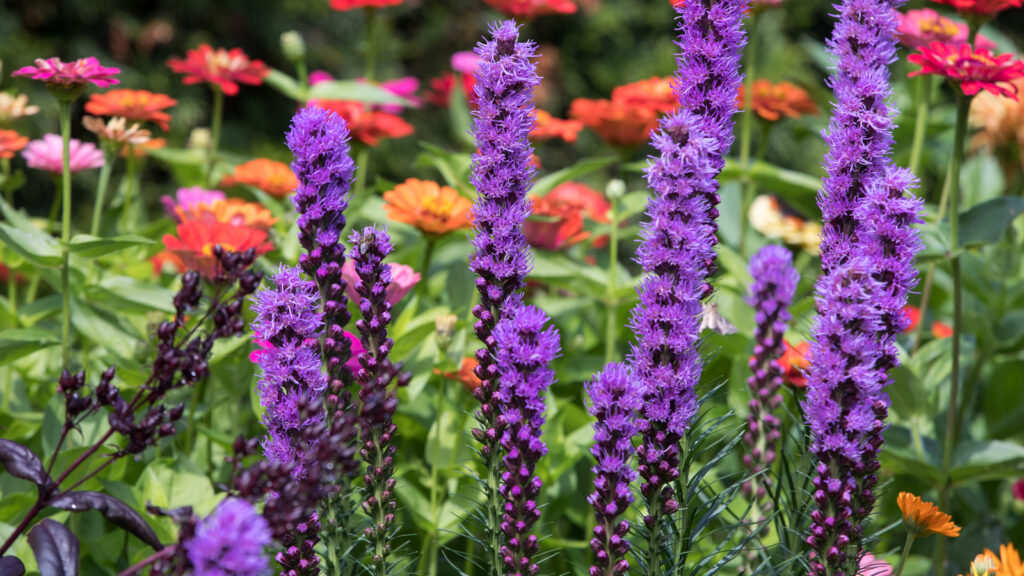
Starting a wildflower garden requires careful planning, especially if you want it to be low-maintenance. Choosing the right plants known for being easy to grow is crucial for success. Here are 16 gorgeous, easy-to-grow wildflowers perfect for creating a stunning, carefree garden.
16 Gorgeous Wildflowers Perfect for Low Maintenance Gardens
How to Water Your Garden The Right Way
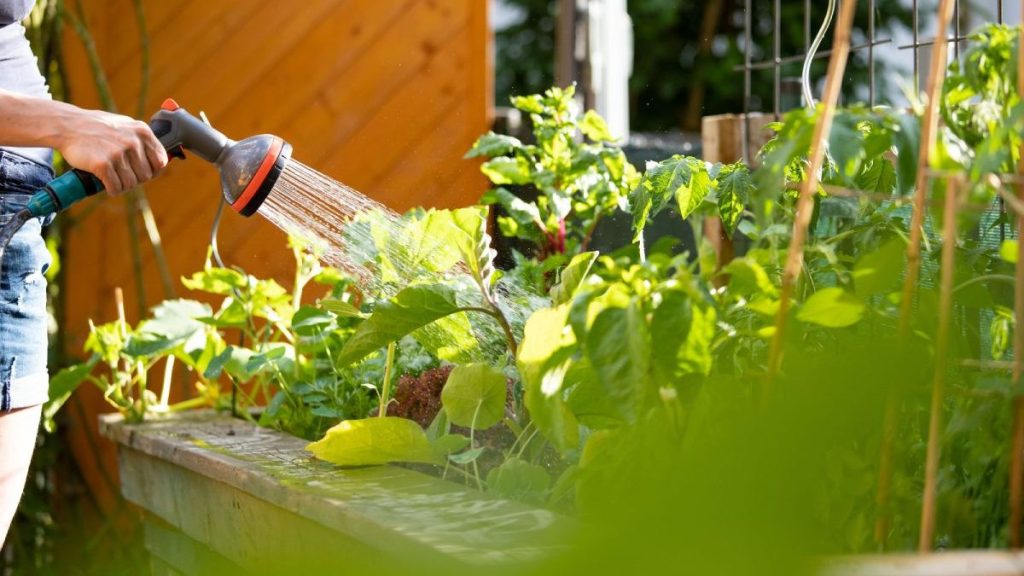
There are watering best practices that strike the perfect balance. Let’s make sure your plants stay happy and hydrated!
How to Water Your Garden The Right Way
I’ve Grown Tomatoes for Years —These Are the Tips That Actually Work

f you’re tired of trial and error and need advice that actually yields results, here are 18 tips that’ll help you grow the best tomatoes of your life.
I’ve Grown Tomatoes for Years —These Are the Tips That Actually Work