Growing a healthy garden doesn’t always require fancy products or expensive supplies. In fact, some of the most effective tools for supporting plant growth might already be hiding in your kitchen or tucked away in your cleaning cabinet.
Rather than relying on store-bought fertilizers and sprays, you can use simple, homemade ingredients to nourish your plants and protect them from pests—without breaking the bank.
Here are 11 surprising ingredients that can help your garden thrive.
Compost
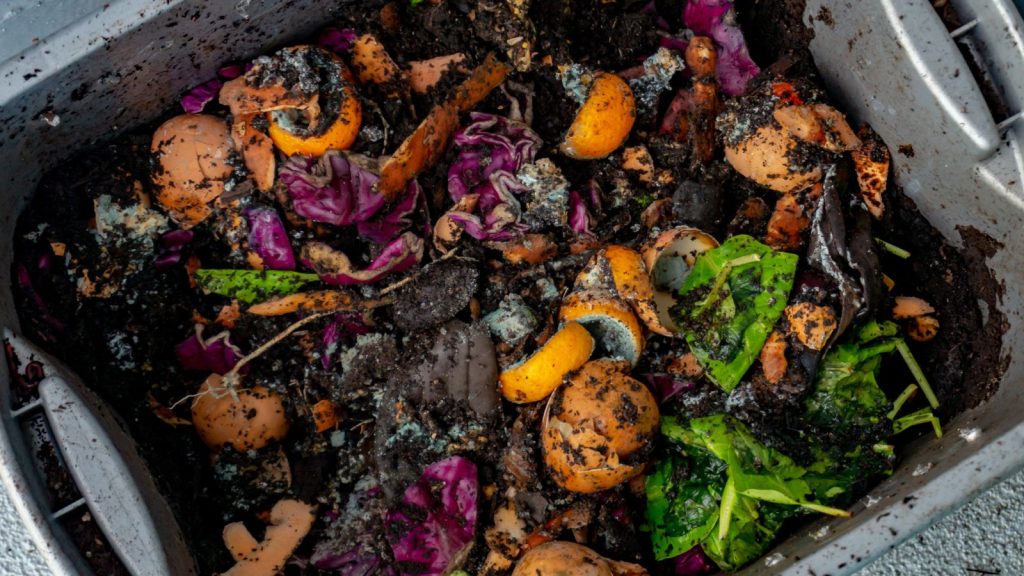
Compost is a fantastic mulch, especially for vegetable gardens, as it enhances soil quality and supplies essential nutrients. It’s particularly beneficial to add to soil high in clay, as it helps to loosen the soil and improve drainage.
Related: How to Improve Clay Soil for Gardening
Shredded Leaves

Using shredded or dead leaves as mulch can naturally fertilize the soil, slowly releasing nutrients without the need for synthetic fertilizers.
Shredded leaves are a good mulching solution for a large garden, as they are readily available and easily applied. However, they do not last very long and must be replaced often. Covering at the end of the season, when they will overwinter, is recommended. This allows them to decompose in the soil between planting seasons and add nutrients.
Related: How to Mulch a Vegetable Garden
Grass Clippings

Fresh cut grass, free from chemicals, acts as a nitrogen-rich mulch around vegetables, especially beneficial for leafy greens due to its nitrogen release during decomposition. Untreated grass clippings help suppress weeds and retain soil moisture. Spread thinly to prevent water blockage.
Related: 7 Natural Ways to Add Nitrogen to Your Garden Soil
Coffee Grounds
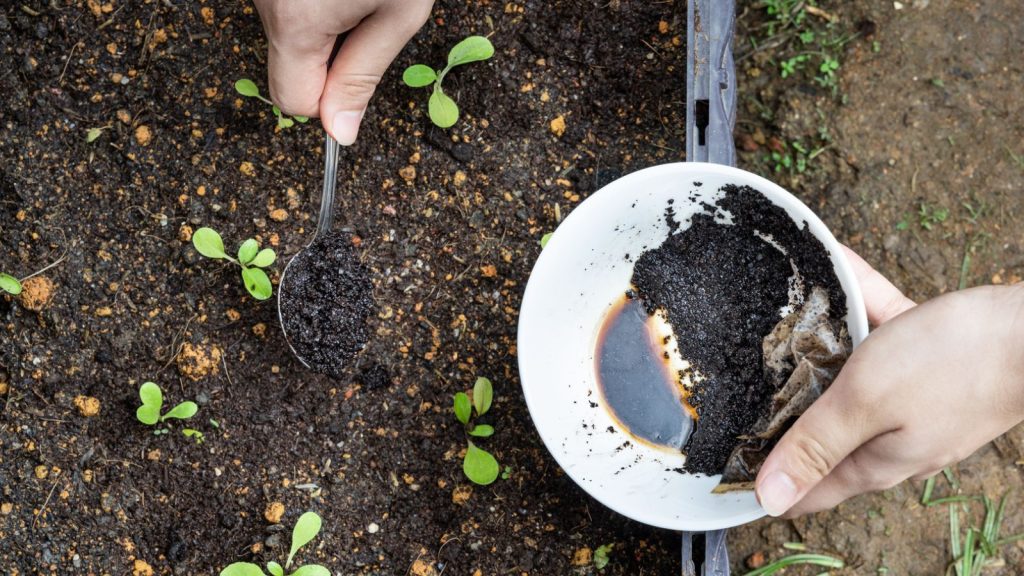
Mixing used Coffee Grounds into your soil is a great way to add nitrogen. Coffee Grounds decompose gradually and create space for aeration in the garden. This is especially great if you drink coffee regularly. This is a great way to repurpose used coffee grounds.
Coffee grounds are especially good for acid-loving plants like roses and azaleas, providing essential nutrients.
Related: 19 Stunning Red Flowers to Add Bold Color to Your Garden
Composted Manure
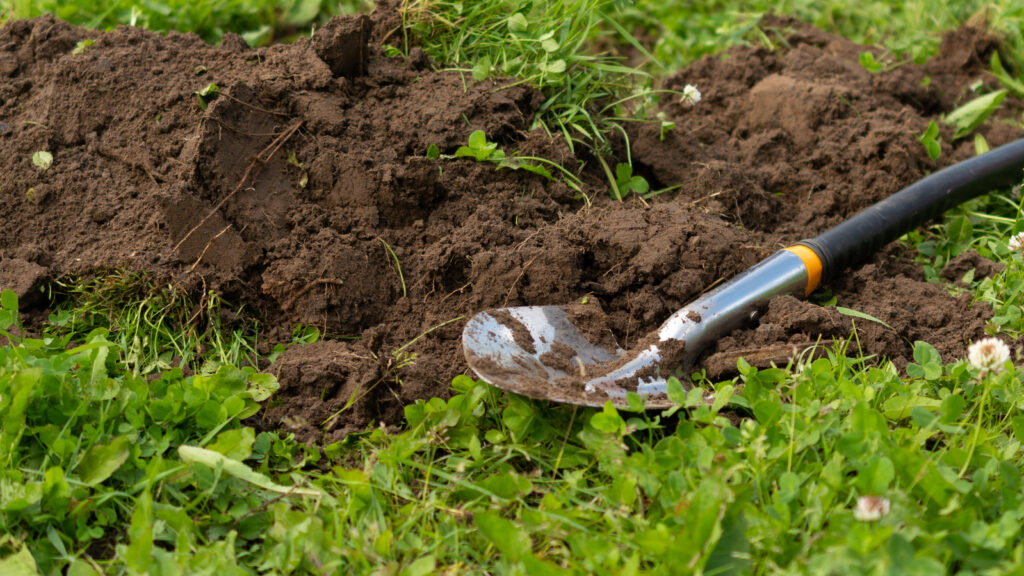
You can use composted manure if you’re a homesteader, farmer, or someone with animals on your property. This nutrient-rich material is derived from your animals. While various types of manure exist, chicken manure boasts the highest nitrogen content, followed by horse and cow manure.
To ensure its effectiveness and safety for your garden, fresh manure should be composted or left to rot for at least six months to a year before application. If obtaining fresh manure isn’t feasible, you can conveniently purchase aged manure in bags from a garden center.
Related: 10 Compelling Reasons to Start Composting Today
Banana Peels

Banana peels can be used as mulch or turned into banana peel tea by steeping in water, offering an excellent fertilizer that releases nutrients into the soil.
Eggshells
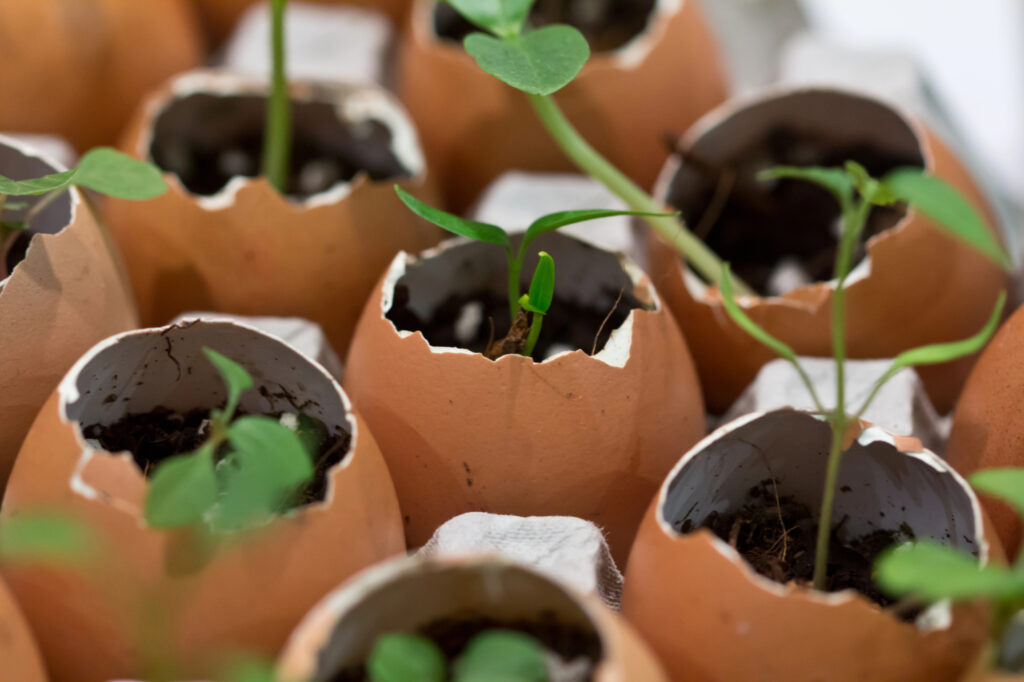
Eggshells, often dismissed as kitchen waste, are gardening gold. Rich in calcium carbonate, a mineral that’s essential for plant health, eggshells offer a sustainable and cost-effective way to enrich your garden.
Eggshells prevent plant calcium deficiency and serve as biodegradable pots for seedlings.
Related: 11 Uses for Eggshells in Your Garden
Wood Ash

Wood ash increases soil alkalinity, benefiting acidic soils. Always cool the ash before use and test your soil first.
Clever Ways to Reuse Sawdust From Your Recent DIY Project
Compost Tea

Enhance your plants’ vibrancy with compost tea, a liquid solution rich in beneficial microorganisms brewed from your compost pile.
Baking Soda

Sprinkling baking soda on soil can encourage blooms in alkaline-loving plants and prevent fungal growth due to its alkaline properties.
Related: Clever Ways to Use Baking Soda Around the House
Club Soda

Unflavored, flat club soda nourishes plants with essential nutrients, promoting greener leaves and stronger roots.
20 Flowering Shrubs That Will Make Your Garden Look Like a Work of Art
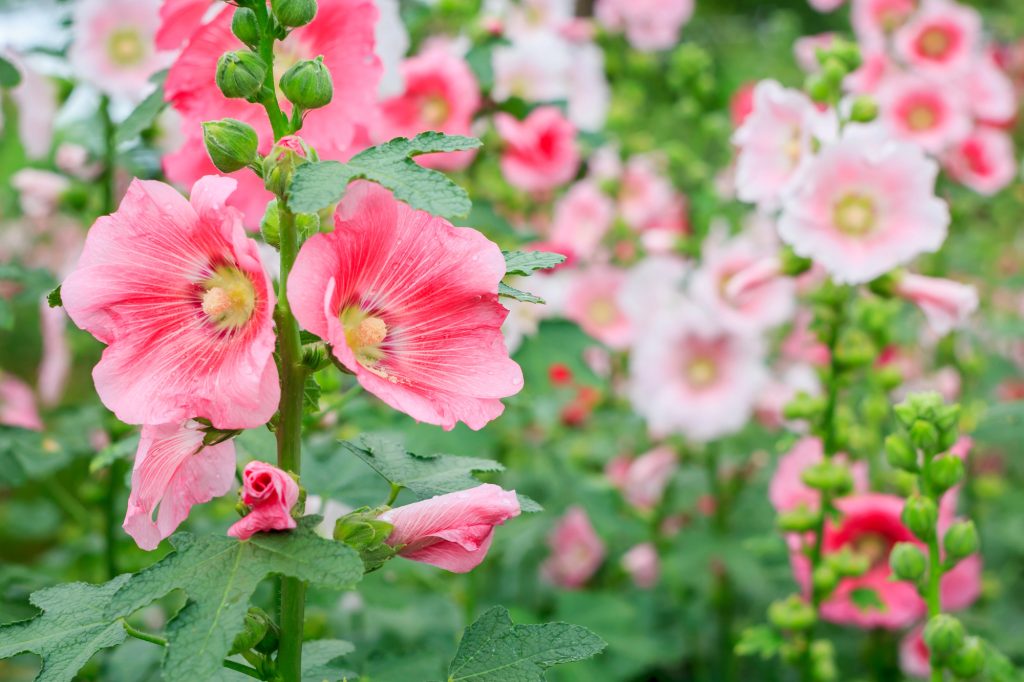
If you’re looking to bring a gorgeous touch to your landscape, here are 20 flowering shrubs that will make your garden look like a work of art.
20 Flowering Shrubs That Will Make Your Garden Look Like a Work of Art
14 Native Flowers That Thrive in Dense Clay Soil
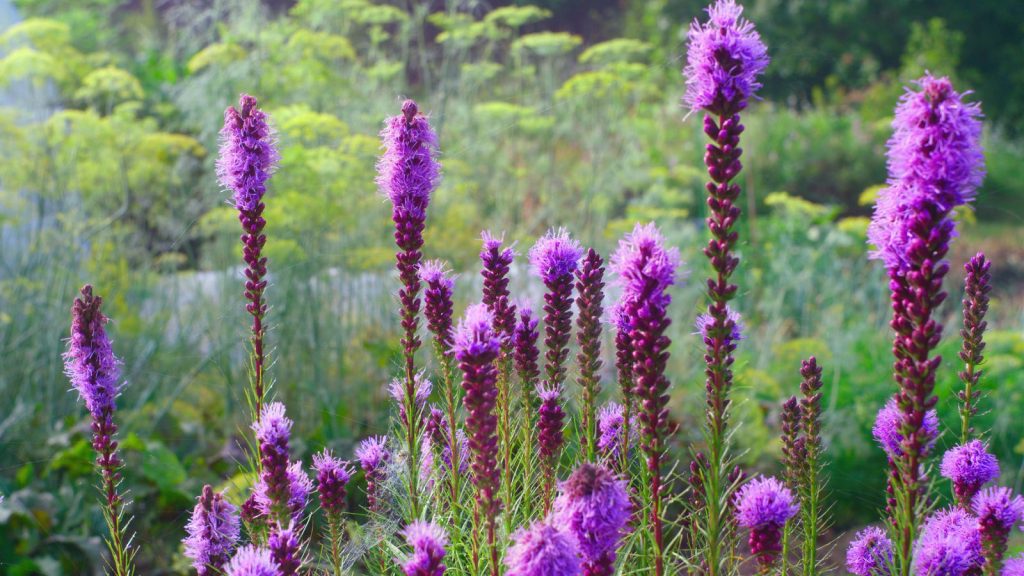
Whether you’re aiming for bursts of color, pollinator-friendly blooms, or hardy perennials that return year after year, these native plants will transform your clay-heavy garden into a thriving, beautiful space.
14 Native Flowers That Thrive in Dense Clay Soil
How to Plant Your Own Sustainable Permaculture Garden