You don’t need acres of land to grow food for your household. A small backyard, patio, balcony, or sunny corner can provide a steady supply of fresh vegetables, herbs, and greens with the right planting plan.
The key is to make the most of your space instead of relying on traditional rows of crops. These 17 gardening ideas can help you grow more food in a small space without taking over your entire yard.
1. Grow Up Instead of Out
Trellises, wall planters, hanging baskets, and garden arches let vegetables grow upward instead of spreading across the ground. Cucumbers, pole beans, peas, and some squash varieties do well with vertical support, leaving more room for other plants below.
Related: Use These Clever Tricks to Outsmart Gophers
2. Plant Fast and Slow Crops Together
Intercropping lets you grow two crops in the same bed by pairing quick-growing vegetables with slower-maturing plants. Try radishes, lettuce, or spinach between young broccoli or cabbage plants, then harvest the greens before the larger crops need the extra room.
Related: 14 Simple Baking Soda Tricks Every Household Should Know
3. Practice Succession Planting
Instead of leaving a bed empty after harvesting, sow another crop that suits the weather and season. You might start with spring lettuce, follow it with bush beans during warmer weather, then plant kale or spinach for a fall harvest.
Related: 15 Easy Tricks to Predict the Weather Without Technology
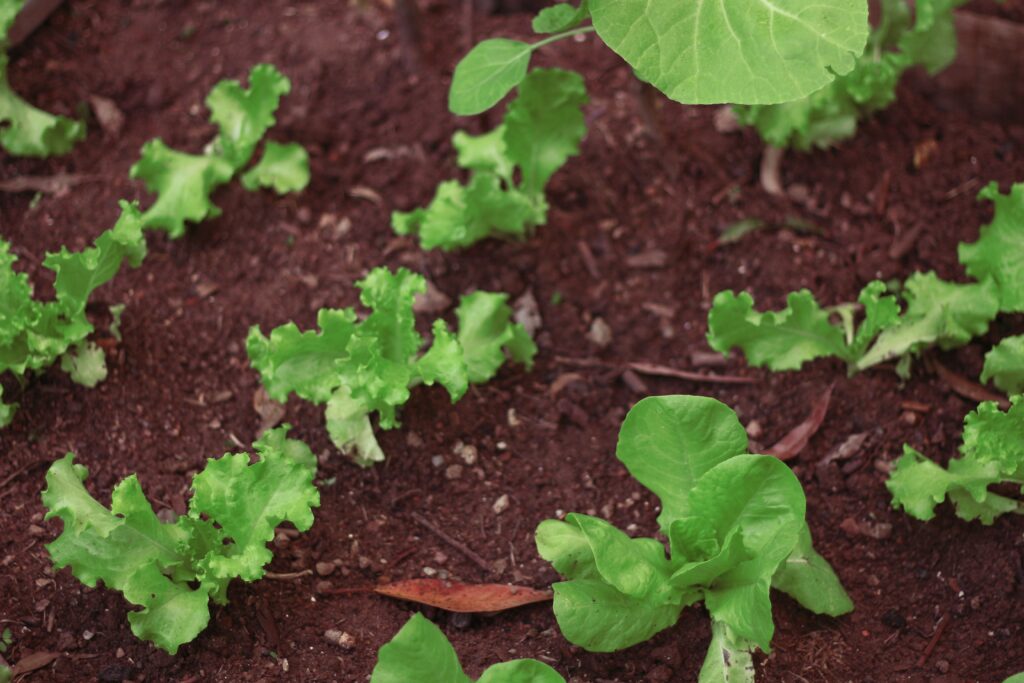
4. Choose Cut-and-Come-Again Vegetables
Some leafy vegetables keep producing after you pick their outer leaves. Kale, Swiss chard, and leaf lettuce can provide several harvests from one planting if you leave the growing center intact and give the plants enough water and nutrients.
Related: 13 Forgotten Kitchen Tricks Grandma Never Needed a Gadget For
5. Pick Compact Varieties
Bush and dwarf varieties can produce useful harvests without taking over a small garden. Look for compact tomatoes, bush zucchini, patio peppers, and dwarf fruit trees that suit your space.
6. Put Fences and Walls to Work
Fences and walls can hold trellises, hanging planters, and shelves for herbs or small vegetables. You can also train certain fruit trees along a fence using an espalier system, which keeps branches organized and limits how much ground they take up.
7. Build Raised Beds
Raised beds make it easier to manage soil quality and organize crops in a small growing area. Fill them with suitable soil and compost, then add trellises and practice close planting or succession planting to get more from each bed.
8. Grow Food in Window Boxes
Window boxes offer a handy place to grow herbs, lettuce, spinach, and other compact greens. They’re especially useful for apartments and homes with little yard space, and placing them near the kitchen keeps fresh ingredients close by.
9. Try Square Foot Gardening
Square foot gardening divides a growing bed into one-foot sections, with each square assigned to a crop. Depending on the plant’s size, a square might hold one tomato plant, several lettuce plants, or a group of radishes, making spacing and avoiding bare patches easier.
10. Plant Compatible Crops Together
Pairing plants with similar sunlight, water, and soil needs can help you use a garden bed more efficiently. Try basil near tomatoes or add flowers such as nasturtiums to attract pollinators, while leaving enough room for each crop to grow without crowding its neighbors.
11. Try Hydroponic Gardening
Hydroponic systems grow plants without traditional garden soil and can fit on a countertop, patio, or small shelf. Leafy greens and herbs are common starting choices, and compact systems can also support crops such as strawberries when their growing needs are met.
12. Use Tiered Planters
Tiered planters offer several planting levels while taking up little ground space. They’re a good fit for herbs, strawberries, and small leafy greens on patios, decks, and balconies.
13. Feed the Soil
Plants grown close together draw nutrients from a limited amount of soil, so regular soil care helps keep them growing well. Mix in finished compost before planting and use fertilizer suited to your crops when needed, following label directions to avoid overfeeding.
14. Extend the Growing Season
Row covers, cold frames, and small greenhouses can protect crops from chilly weather and help you begin planting earlier in spring or keep harvesting later in fall. We have even picked fresh chilies well into December with row covers, though results depend on local temperatures and the protection available.
15. Grow in Containers
Pots, buckets, grow bags, and planter boxes let you grow vegetables in places where garden beds aren’t an option. Tomatoes, peppers, herbs, and potatoes can all grow in suitable containers, provided they have enough room, drainage, sunlight, and regular watering.
16. Grow Microgreens
Microgreens are harvested when they’re still young and can be ready in roughly one to three weeks, depending on the crop. Sunflower, broccoli, radish, and pea shoots can grow in shallow trays indoors, giving you fresh greens without needing a backyard.
17. Choose Crops That Keep Producing
Some vegetables provide harvests over several weeks or months, making them useful for small gardens. Tomatoes, cucumbers, pole beans, peppers, zucchini, and leafy greens are worth considering, especially if your household eats them often.