A well-stocked pantry can save you extra trips to the grocery store, stretch your budget, and provide your family with backup food during storms or other emergencies. But buying extra groceries won’t help much if the food spoils before you use it.
Good storage habits can help you get more out of every grocery trip. Whether you’re building an emergency pantry or keeping everyday staples on hand, these 14 tips help you store food wisely and waste less.
1. Store Food in More Than One Place
Keeping your entire food supply in one spot can leave you short if that area floods, leaks, or attracts pests. If you have room, split your stock between suitable storage areas that stay cool, dry, and protected from extreme temperatures.
Related: 13 Items to Keep Stored for Unexpected Food Shortages
2. Wait to Wash Fresh Produce
Washing fruits and vegetables before storing them can leave extra moisture behind, which may encourage mold and spoilage. Keep produce dry until you’re ready to use it, and wash it under running water just before eating or preparing it.
3. Rotate Your Pantry Regularly
Food can sit forgotten for months if you keep pushing newer groceries to the front of the shelf. Put older items where you’ll reach for them first and place new purchases behind them so you use up your existing stock before opening another package.
4. Label Everything
It’s easy to lose track of when you bought something, especially if you keep several months’ worth of groceries on hand. Mark containers with the food name and purchase or opening date, and follow the package’s storage instructions to decide when to use each item.
Related: 23 Everyday Grocery Items Worth Stocking Before a Food Shortage
5. Learn Basic Canning
Home canning lets you preserve seasonal fruits, vegetables, jams, sauces, and certain meats for later use. Follow tested recipes and the correct canning method for each food, since low-acid foods such as vegetables and meat require pressure canning to prevent botulism.
6. Transfer Opened Foods to Airtight Containers
Once you open flour, rice, cereal, crackers, or pasta packages, moisture and pantry pests can become a problem. Store these foods in clean, dry, airtight containers and keep them in a suitable place away from heat and humidity.
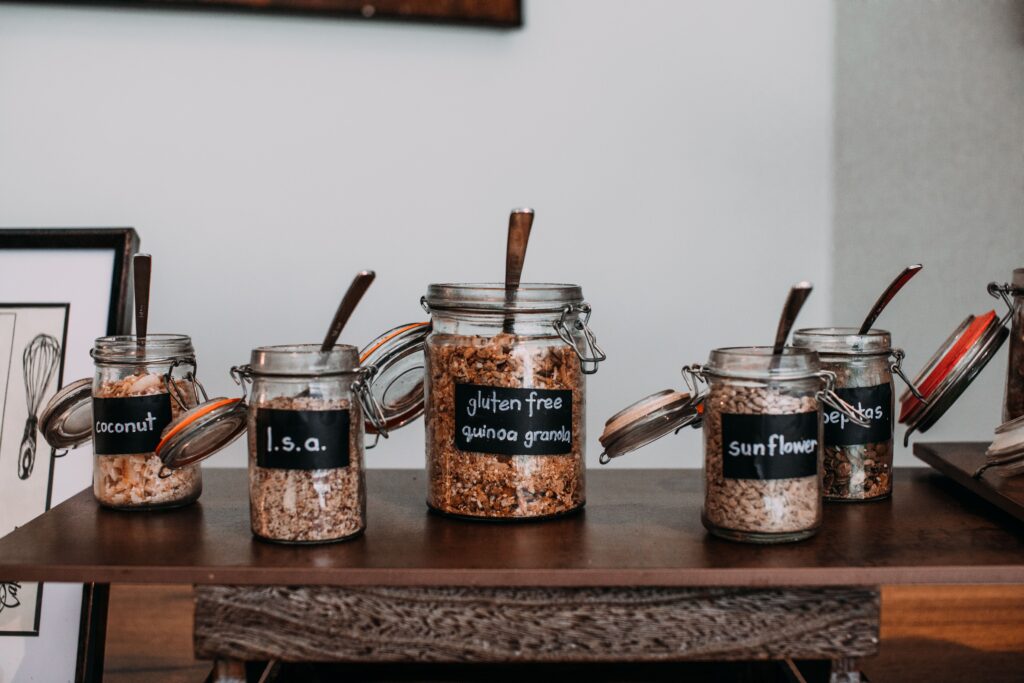
7. Choose Clear Storage Containers
Clear containers make it easier to see which staples you have and how much is left. Label each container with its contents and date, and check that the food is suitable for room-temperature storage before putting it away.
8. Keep Salt on Hand
Salt is inexpensive, lasts a long time when kept dry, and has plenty of uses in everyday cooking. It can also help preserve certain foods through methods such as curing and pickling, provided you follow a tested recipe with the right amount of salt.
9. Stock Up on Sugar
Sugar is useful for baking, making desserts, and preserving fruit in jams and jellies. Store it in a tightly sealed container in a cool, dry cupboard to keep it dry and prevent pantry pests.
10. Consider Freeze-Dried Foods
Freeze-dried meals, fruits, and vegetables are handy for emergency supplies because they are lightweight and take up little storage space. Shelf life depends on the food, packaging, and storage conditions, so check the manufacturer’s guidance and keep packages sealed until you need them.
11. Dehydrate Fruits, Vegetables, and Herbs
Drying food removes much of its moisture, making it easier to store and reducing the space it takes up. You can dehydrate apples, herbs, tomatoes, onions, and other produce at home, but dry them thoroughly and store them in airtight containers in a cool, dark place.
Related: How to Make Dehydrated Onions
12. Check Food Dates and Packaging
Check your pantry every few months and move items you plan to use soon to the front. Best-by dates often reflect quality rather than safety, but discard food from damaged or leaking packages, and never taste food to check whether it is safe.
13. Freeze Meat You Won’t Use Soon
If you won’t cook fresh meat within a few days, freeze it while it’s still fresh. Wrap it securely in freezer-safe packaging, label it with the date, and store it at 0°F (-18°C) or below to keep it safe.
14. Keep a Pantry Inventory
A growing food stockpile can make it hard to remember what you have, how much is left, or which items need using first. Keep a simple list in a notebook or spreadsheet, update it after shopping, and use it to plan meals before buying more groceries.
Related: 15 Stockpiling Mistakes That Could Waste Your Food and Money
Build a Food Stockpile You Can Use
A useful food supply is one you can store safely, track, and eat before it goes to waste. Start with foods your household already enjoys, buy quantities you can store properly, and make pantry checks part of your regular routine.