Most people toss used coffee grounds straight into the trash without realizing they can be useful in the garden. Instead of ending up in the garbage, those leftover grounds can improve soil, add organic matter, and give many plants a gentle nutrient boost. They’re also a great way to recycle something you already have instead of buying another garden product.
Coffee grounds work especially well for plants that prefer slightly acidic soil, though plenty of other flowers, herbs, fruits, and vegetables can benefit from them in moderation. Just remember that a little goes a long way. Mixing coffee grounds into compost or lightly working them into the soil is usually more effective than piling them on top.
Here are 16 plants that appreciate an occasional helping of used coffee grounds.
Camellias
Camellias thrive in slightly acidic soil, making coffee grounds a good match. The organic matter helps improve the soil over time, while the slow release of nutrients supports healthy leaves and beautiful blooms.
Scatter a thin layer around the base of the plant in spring, keeping it a few inches away from the main stem.
Radishes
Radishes grow fast, so they do best in rich, healthy soil. Mixing a small amount of coffee grounds into the garden before planting adds organic matter that helps support steady root development.
Used sparingly, coffee grounds can help produce crisp, flavorful
Blueberries
Blueberry bushes naturally prefer acidic soil, making coffee grounds one of the better kitchen scraps to recycle around them.
Work a light layer into the soil around the plants in spring or add the grounds to your compost before spreading it around the bushes. The extra organic matter also helps the soil hold moisture during warm weather.
Roses
Roses are heavy feeders and benefit from healthy soil rich in organic material. Coffee grounds can contribute small amounts of nitrogen while improving soil texture.
Apply them lightly around the base of established plants in early spring, then water well.
Tomatoes
Tomatoes appreciate fertile soil filled with organic matter. Rather than dumping large amounts of coffee grounds directly around the plants, mix them into compost or blend them into the soil before planting.
This helps improve moisture retention while adding nutrients gradually throughout the season.
Grapes
Healthy grapevines depend on fertile, well-drained soil. Mixing used coffee grounds into the surrounding soil can increase organic matter and encourage steady growth.
A light application in spring is usually enough.
Basil
Basil grows best in rich soil that drains well. A small amount of compost containing coffee grounds can encourage healthy leaf production throughout the growing season.
Since basil and tomatoes are often planted together, adding compost enriched with coffee grounds can benefit both crops.
Azaleas
Like camellias, azaleas prefer acidic soil. Coffee grounds can help maintain those growing conditions while contributing organic matter that feeds the soil.
Apply a thin layer around the drip line as fresh spring growth begins.
Carrots
Before sowing
Avoid using thick layers, which can compact and interfere with seed germination.
Blackberries
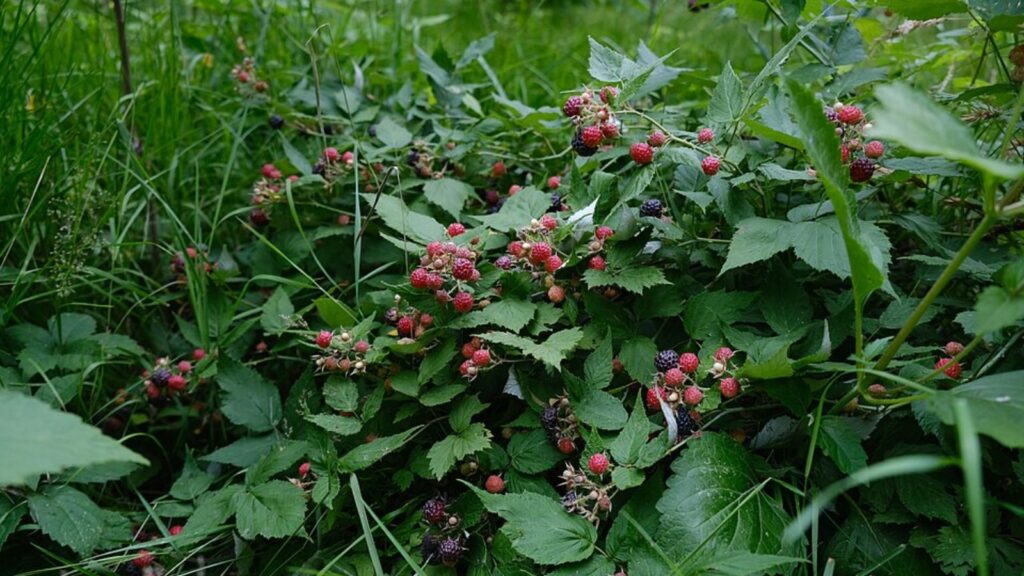
Blackberry bushes appreciate nutrient-rich soil that stays evenly moist. Coffee grounds can help improve soil quality while adding organic material that breaks down over time.
Spread them around the plants in spring or fall and lightly work them into the soil.
Parsley
Parsley produces plenty of leafy growth during the season and benefits from healthy, fertile soil.
Adding compost that contains coffee grounds helps enrich the soil and supports steady harvests throughout the growing season.
Strawberries
Strawberries enjoy soil rich in organic matter, and coffee grounds can be part of that mix. They also help improve moisture retention around the roots.
Some gardeners find that coffee grounds discourage slugs, though they shouldn’t be relied on as the only method of pest control.
Spinach
Spinach grows best in nutrient-rich soil that stays consistently moist. Mixing coffee grounds into compost before adding it to your garden can help create better growing conditions for healthy green leaves.
Apply before planting or early in the growing season.
Begonias
Begonias respond well to soil that drains well while holding enough moisture for healthy growth. A small amount of coffee grounds mixed into compost can improve soil structure and slowly feed the plants over time.
Use only a light application to avoid overwhelming the soil.
Raspberries
Raspberry canes benefit from organic matter that improves both drainage and moisture retention. Coffee grounds break down gradually, feeding the soil while supporting healthy cane growth and fruit production.
Apply them in spring or after harvest in the fall.
Cucumbers
Cucumber plants grow quickly and produce best in fertile soil. Mixing compost containing coffee grounds into the planting area gives the vines a healthy start while improving the soil’s ability to hold moisture.
Used in moderation, coffee grounds can become a useful addition to your regular garden routine instead of another item headed for the trash.