Eggplants can be one of the most rewarding crops to grow, but they don’t always make it easy. Slow growth, hungry pests, poor pollination, and low yields are common frustrations for gardeners trying to get the most from their plants.
One simple way to give eggplants a better chance is by choosing the right neighbors in the garden. Certain plants can help attract pollinators, discourage pests, improve soil conditions, and even make better use of growing space. The result is often healthier plants and a more productive harvest.
A well-planned garden works as a team, and eggplants are no exception. Here are some of the best companion plants to grow alongside eggplants and the ways they can help support stronger growth throughout the season.
Basil

The leaves and flowers of basil emit a pungent aroma that repels pests like aphids, spider mites, and hornworms. It also attracts pollinating insects and can enhance the flavor of your eggplant harvest.
Marigolds

Marigolds can significantly decrease root-knot nematodes in the soil, boosting eggplant growth and increasing crop yields. Their bright blooms also attract pollinators and beneficial insects that feed on aphids, whiteflies, and flea beetles.
Nasturtiums

Nasturtiums are the perfect companions for every vegetable garden. This fast-growing plant is a great trap crop, luring aphids and flea beetles away from eggplants. It can also deter whiteflies and provide ground cover to stabilize soil moisture and suppress weed growth.
Beans

All types of beans can boost soil nitrogen levels, which eggplants need for strong growth.
Peas

Like beans,
Spinach
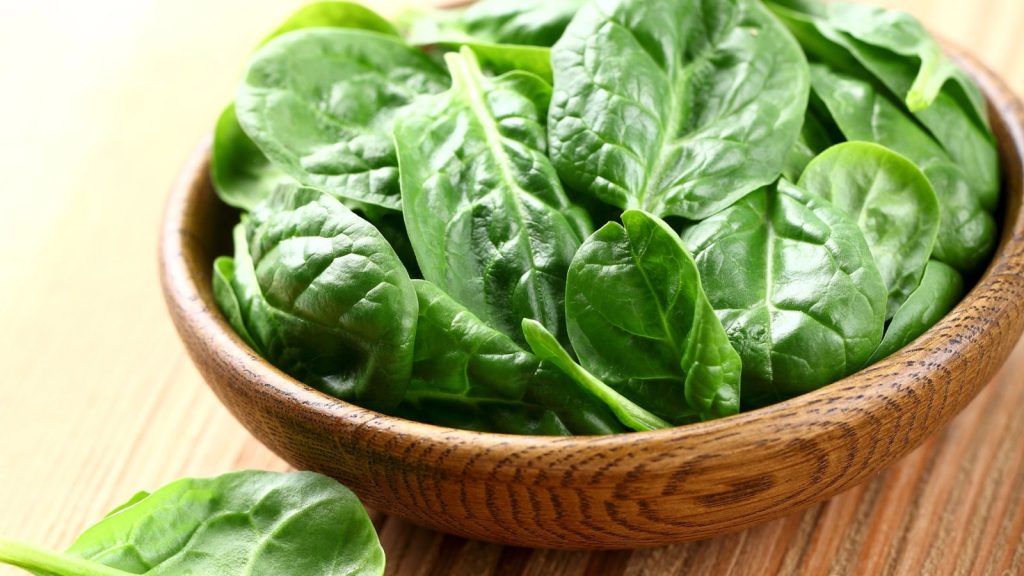
Low-growing leafy
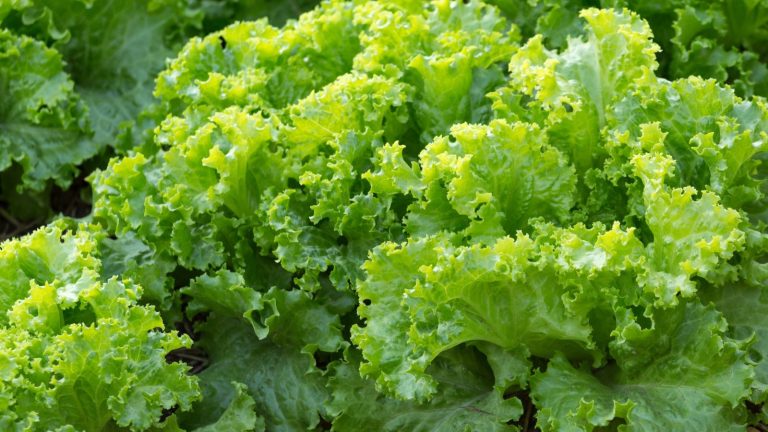
Lettuce
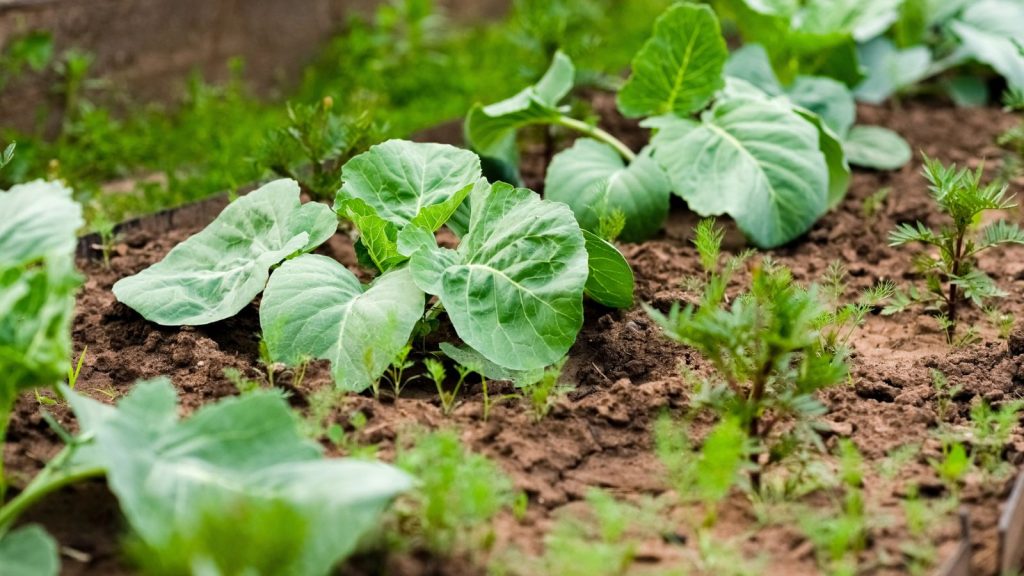
With shallow roots, fast-growing
Borage
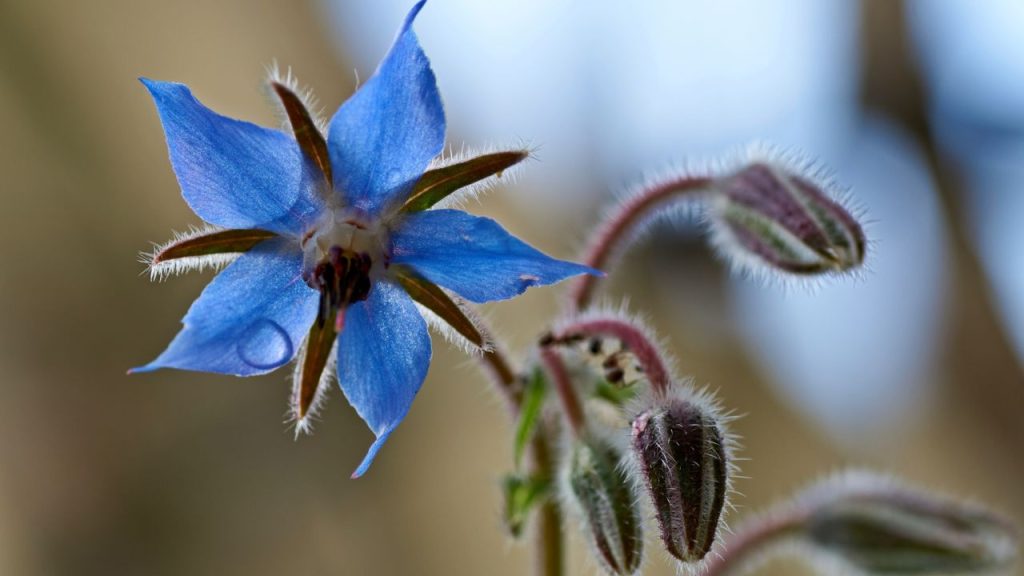
Borage is another must-have in the vegetable garden – this herb attracts bees and other pollinators, which helps improve eggplant fruit production. It also repels tomato hornworms, a common eggplant pest that can decimate your crop.
Thyme

In midsummer, thyme flowers buzz with tiny predatory wasps and hoverflies that love to feast on garden pests. This is one of the best herbs you can grow to boost biodiversity in your garden.
Oregano

The pungent aroma of oregano can mask the smell of eggplants from pests like flea beetles. It also attracts vital pollinators and beneficial insects like ladybugs.
Garlic
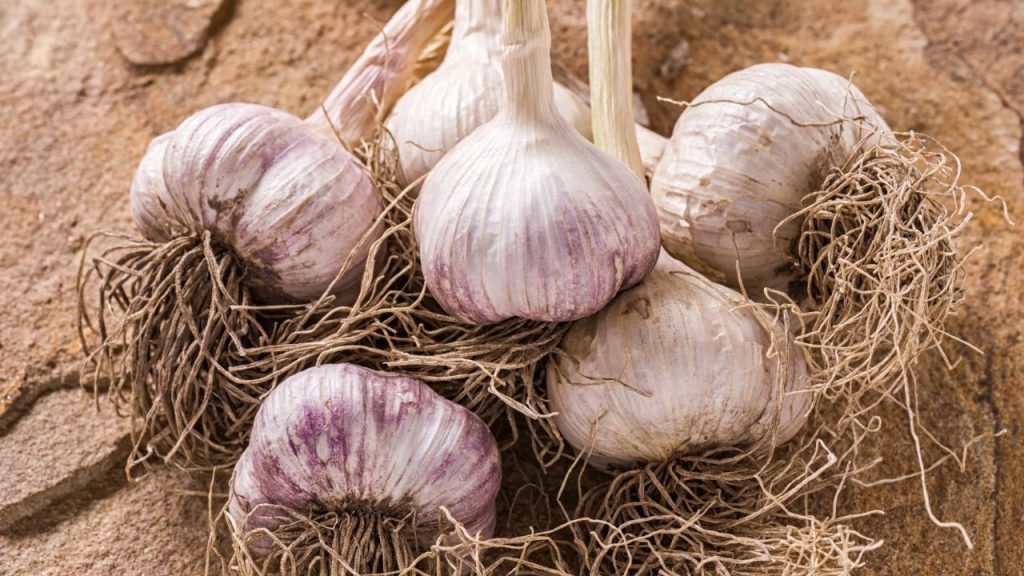
The sulfur compounds released by
Radishes

Fast-growing
Catnip

The aroma of
Tarragon
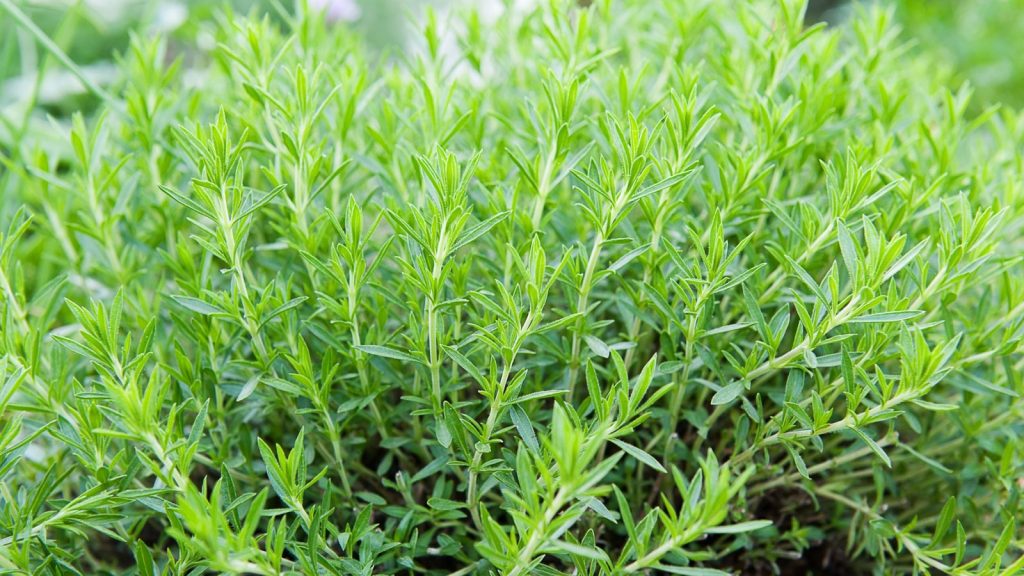
The delightful aroma of tarragon helps mask eggplants from harmful insects while attracting vital pollinators that boost your harvests.
Rosemary
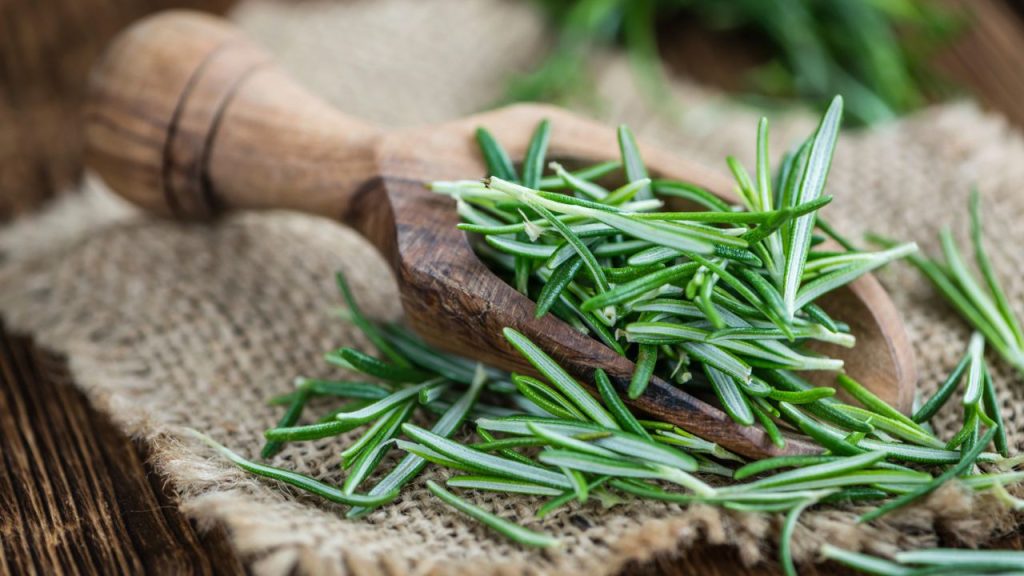
Rosemary is a strong-scented herb that repels whiteflies and spider mites, two common eggplant pests.
Cilantro

Cilantro can attract beneficial predatory insects like hoverflies and ladybugs, which help control aphid populations near eggplants.
Grow Juicier, Tastier Tomatoes with These 15 Companion Plants

Companion planting is an age-old gardening method that can help prevent common plant issues and boost crop yields. By using some of the best companion plants for tomatoes, your harvests will be better than ever. Here are the 15 best companion plants for your tomato garden.
Grow Juicier, Tastier Tomatoes with These 15 Companion Plants
8 Best Raised Garden Beds (What to Consider Before Buying)
Animals That Are Secretly Destroying Your Lawn and Garden

Many pests can quietly cause significant damage if not controlled. Staying on top of these threats is important to keep your outdoor space looking its best. Here are seven sneaky pests to keep a close eye on.
8 Sneaky Pests That Are Secretly Destroying Your Lawn and Garden