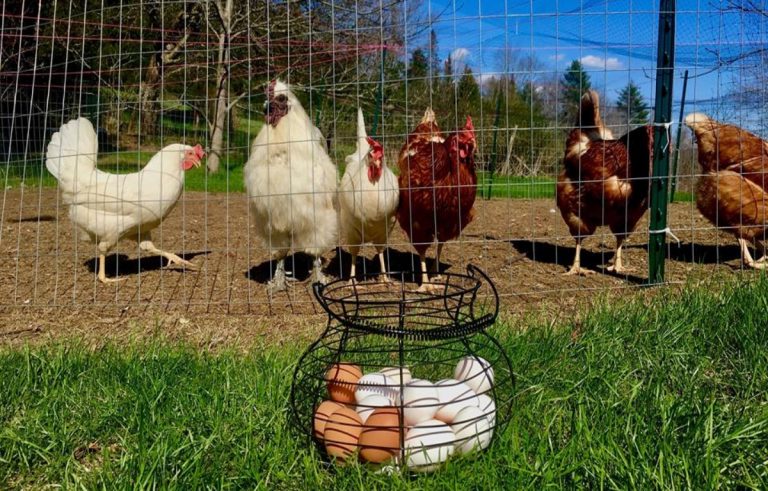
Raising chickens is often pictured as a simple life filled with fresh eggs, happy hens, and peaceful mornings in the backyard. The reality can look a little different.
Anyone who has kept a flock for long knows that chickens have a talent for finding trouble. One day they’re squeezing through a gap in the fence, the next they’re digging up a garden bed you worked hard to plant. They can be entertaining, but they can also test your patience in ways you never expected.
Most chicken keepers will tell you the rewards are worth it. Fresh eggs, funny personalities, and the satisfaction of caring for a flock keep people coming back year after year. Still, there are plenty of frustrations that don’t make it into the social media posts and backyard chicken guides.
Before you start a flock—or if you’re wondering whether your chickens are the only ones causing chaos—here are some of the struggles of raising chickens that keepers rarely admit.
1. Noise

It isn’t just roosters that are noisy – hens can be incredibly vocal, too! They chatter all day to each other, ramping up the volume after laying an egg or if they sense danger. If you’ve got neighbors who might find noisy chickens a nuisance, opt for calmer breeds like Orpingtons or Australorps.
12 Chicken Breeds That Will Keep the Noise Down
2. Smell

Chickens produce a lot of smelly poop, far more than you might expect for a relatively small creature. This poop quickly develops an odor, which, as well as being unpleasant, will attract flies. To keep smells to a minimum, use absorbent bedding and clean the coop at least once a week.
3. Messy Eaters

It would be nice to think that our chooks would neatly gobble up all the tasty treats we feed them, but unfortunately, their instinct is to scratch and scatter food everywhere.
This waste attracts rodents like rats and mice, making pest control another concern. To keep mess to a minimum, avoid overfeeding your flock and sweep up around feed troughs daily.
13 Superfoods To Feed Your Chickens for More Protein
4. Predators

A long list of predators wants to eat your chickens—foxes, raccoons, hawks, weasels, and even neighborhood dogs. We once lost our entire flock to a fox attack, and the emotional and financial effects of this are not to be underestimated.
To minimize the risk of predators, you’ll need a super-secure coop and run and may need to invest in specialist deterrents such as motion-activated lights.
5. Escape Artists

Escaping chickens are a constant problem on our homestead! If they’re not flying over fences, they’re squeezing through tiny gaps or digging their way out of the run. Wandering chickens can quickly wreak havoc and destruction if unnoticed, particularly if they make their way into your vegetable garden.
6. Egg Laying Problems

While most hens make laying eggs look easy, it is not uncommon to encounter problems. Some lay soft-shelled or misshapen eggs, while others experience egg binding, which can be fatal. You may also be unlucky enough to get a hen who develops a taste for eating eggs, a habit that is hard to break.
Understanding Why Your Chickens Stopped Laying After Their First Egg
7. Unproductive Hens

And on the subject of eggs, your hens will not lay productively for their entire lives. Most breeds lay efficiently for 2-3 years but can live up to 10 years or more. This leaves us no option but to continue feeding unproductive hens through their ‘retirement’, but some homesteaders find it necessary to cull older birds on financial grounds.
8. Climate Challenges

Chickens don’t tolerate extreme temperatures well and need extra care and attention during heat waves and cold spells. My least favorite homestead task in summer is taking fresh cold water up to the hens during the hottest part of the day, but without this, they would be highly susceptible to heat stress.
We also have to provide extra bedding and insulation in the coop in winter to keep them warm at night.
9. Bullying Issues
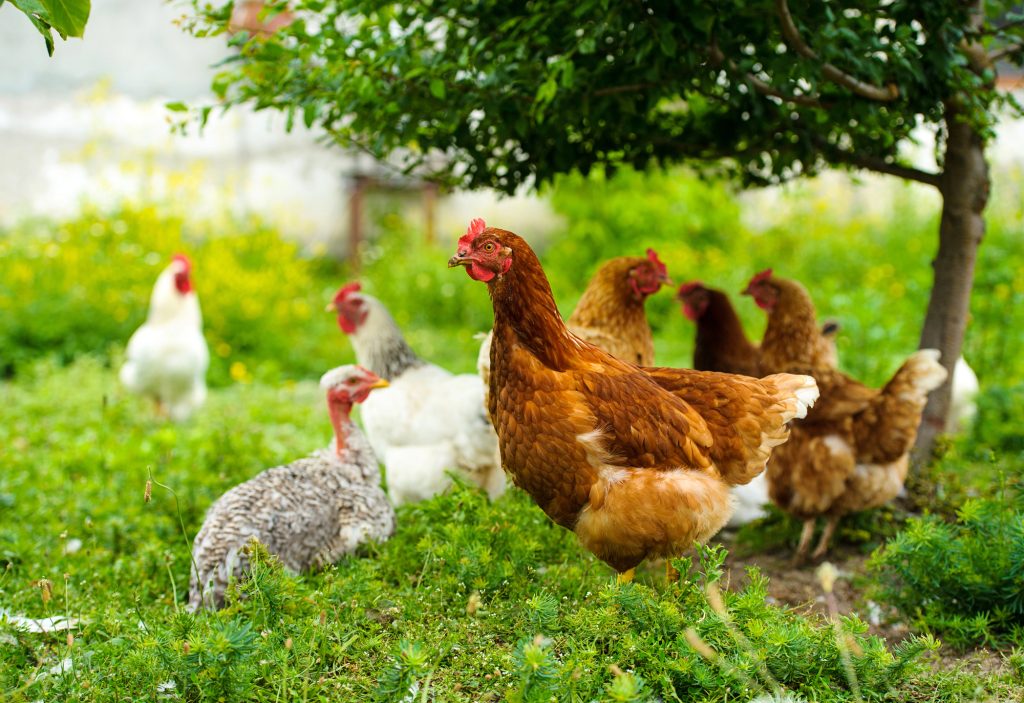
It would be lovely if our flock were all great friends, but the strict social hierarchy of chickens means that bullying and aggressive behavior are not uncommon. The best way to maintain harmony within the coop is to provide ample space and multiple feeding stations.
10. Broody Hens

When a hen goes broody, it means she desperately wants to rear chicks, and a broody hen with strong mothering instincts can be very stubborn! If hatching chicks is not part of your livestock plan, convincing the wannabe mother to leave the nest can be difficult.
11. Poop
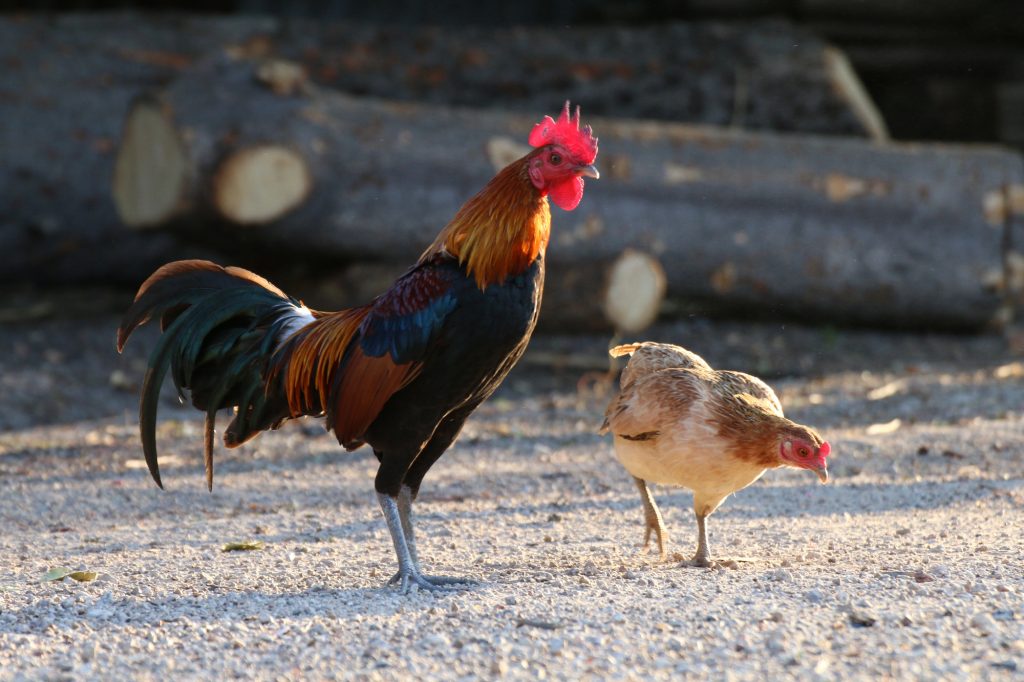
Did we mention that chickens poop a lot? As well as the unpleasant smell, they’re not fussy about where they go to the toilet – on pathways, in nesting boxes, and even on each other. Our chickens spend a few hours each day free-ranging on our land, meaning their poop is spread far and wide!
12. Aggressive Roosters

The main aim of a rooster is to keep his flock of hens safe, which can make them aggressive toward humans, pets, and other chickens. If you plan on spending a lot of time hanging out with your chickens, pick a rooster that is friendly and happy with being handled.
13. Unexpected Costs

Let me tell you, rearing chickens is not a cheap way to get eggs! We once calculated the ‘price’ of our eggs based on how much we fed the hens, and our eggs were more expensive than those from the grocery store, not to mention the unexpected costs that keep popping up, like coop repairs, bedding, fencing, and medical care.
14. Time Commitment
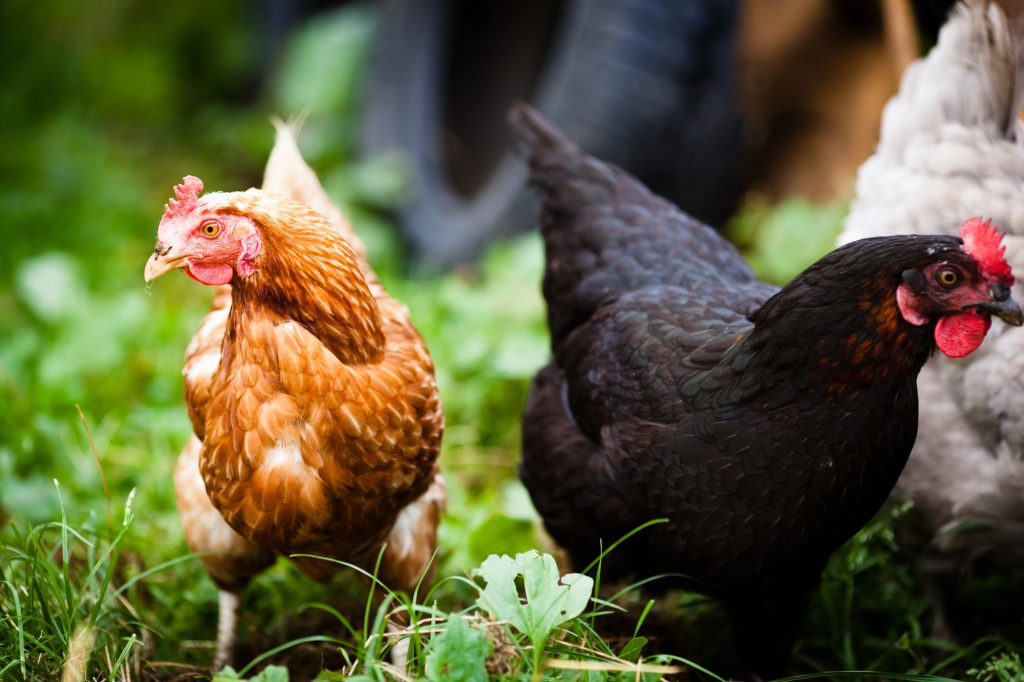
Chickens are relatively low maintenance, but you still need to commit to tending to them at least twice a day, every day, no matter what the weather or how you’re feeling. So, yes, you will need to traipse out there in stormy weather when you’re battling the winter flu bug, as your birds will be hungry!
15. Vet Availability

Not all veterinarians will treat sick chickens, making it hard to get medical help when needed. More than once, we’ve had to deal with injuries and ill health ourselves as reliable vet care was not available.
16. Spare Roosters

If you want to hatch chicks to expand your flock, make sure to have a plan in place for dealing with surplus roosters. Roughly 50% of hatched chicks are male, and finding homes for them can be challenging.
Roosters will start to attack each other once they reach maturity, so you may need to make the difficult decision to cull any unwanted males.
17. Destructive Tendencies

See that lovely green grassy pasture that will be your chicken run? It’ll never look the same again! Chickens love to scratch, dig, and peck, and will quickly clear pasture land until it is just bare earth.
The Best Animals to Raise on Your Homestead That Aren’t Chickens
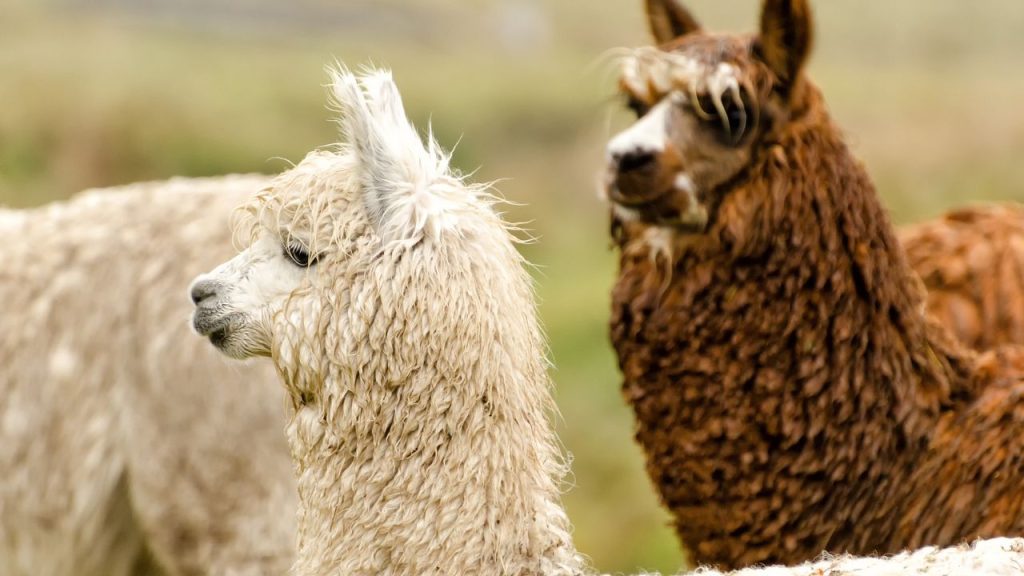
If you are looking for animals to raise on your homestead beyond chickens, here are 14 that we’ve rounded up.
The Best Animals to Raise on Your Homestead That Aren’t Chickens
19 Things You Should Know Before Getting Chickens

Before you jump into the world of chicken-keeping, there are a few essential things to know. Here’s our comprehensive guide of 19 essential tips to help you become a confident and successful chicken owner!