Not long ago, bug-out bags seemed like something you only saw in survivalist videos or disaster movies. But wildfires, floods, severe storms, evacuations, and extended power outages have made emergency planning feel a lot more relevant for everyday households.
A bug-out bag, often called a BOB, is a packed bag you can grab if you suddenly need to leave home. The usual goal is to have enough supplies to get through about 72 hours without relying on your usual access to food, water, electricity, or other necessities.
The tricky part is deciding what actually deserves space in the bag. You want enough supplies to be useful without ending up with a backpack so heavy that you can barely carry it. Some of the most useful items are also the ones people tend to forget.
Here are 18 things worth checking before you zip up your bag and put it somewhere easy to reach.

First Aid Kit
A basic first aid kit can handle many of the minor injuries that could happen during an evacuation. Pack adhesive bandages, gauze, medical tape, antiseptic wipes, pain relievers, tweezers, and any medications that you or your family members take regularly.
Check expiration dates from time to time and replace anything that has been used. If you live somewhere remote or could face a situation where medical help may take longer to reach you, you might also include additional emergency medical supplies that you know how to use.
Multi-Tool or Knife
A bulky toolbox doesn’t belong in a grab-and-go bag. A compact multitool can take care of plenty of small jobs without taking up much room.
Depending on the model, you may have pliers, screwdrivers, a knife, wire cutters, and other basic tools in one piece of gear. A small knife can also be useful for food preparation, cutting cord, or handling everyday tasks.
Fire-Starting Supplies
A fire can provide warmth and give you a way to cook if you’re in a situation where those things are safe and necessary. It can also help you stay visible in certain outdoor situations.
Pack more than one way to start a fire, such as a lighter and waterproof matches. Add a compact commercial fire starter or some other dry material that will help get a fire going. Keep these supplies protected from moisture inside a sealed bag.
Emergency Shelter
If you’re forced to leave home, there’s no guarantee that you’ll reach a shelter or other safe location right away. A lightweight emergency blanket, bivy sack, or tarp can give you some protection from rain, wind, and cold.
A tent and sleeping bag can provide more comfort, but they also add considerable weight and bulk. Whether they belong in your bag depends on your climate, transportation, destination, and how much you can comfortably carry.
Extra Clothing
You don’t need to pack an entire wardrobe. A few carefully chosen pieces can make a big difference if your clothes get wet, dirty, or damaged.
Pack a change of underwear and socks, along with clothing appropriate for the weather. A lightweight thermal layer can help in cold conditions, while waterproof outerwear can keep rain off you. Choose materials that dry fairly quickly and avoid filling half your bag with clothes you may never need.
Flashlights
A
You can also carry a small headlamp, which leaves both hands free while you’re walking, repairing something, or searching through your supplies. Solar and
Keep glow sticks or a small lantern in mind if you want another source of light for a shelter or room.
Hygiene Supplies
You probably won’t have room for your entire bathroom cabinet, but a few basic hygiene supplies are worth carrying. A toothbrush, toothpaste, soap, hand sanitizer, tissues, and wet wipes can make several days away from home much more manageable.
Depending on your location and the season, sunscreen and insect repellent can also be useful. Pack personal hygiene products that members of your household rely on regularly.
Related: 22 Hygiene Products People Often Forget to Add to Their Emergency Stockpile
Disposable Wipes
Wet wipes can be surprisingly useful during an evacuation. If clean running water isn’t available, they can help you clean your hands, wipe down surfaces, and handle basic personal hygiene.
Keep a sealed pack in your bag so they’re ready when needed. If you prefer biodegradable wipes, check the packaging carefully rather than assuming every product labeled “flushable” or “natural” breaks down safely.
Bandanas
A few bandanas take up very little space and can be useful for all sorts of everyday problems. You can use one as a head covering, sweat cloth, makeshift wrap, dust covering, or way to secure small items.
There are plenty of uses for a bandana that make these inexpensive pieces of fabric worth carrying. Since they weigh almost nothing, adding two or three won’t add much bulk to your pack.
Water and a Filtration System
Water deserves plenty of attention in any emergency kit. Bottled water is useful, but carrying enough for several days can quickly make a backpack too heavy.
Pack some water that you can carry comfortably, along with a collapsible bottle or hydration bladder. A
Don’t rely on a filter alone without checking what contaminants it is rated to remove. Different filters handle different types of bacteria, parasites, chemicals, and viruses.
Non-Perishable Food
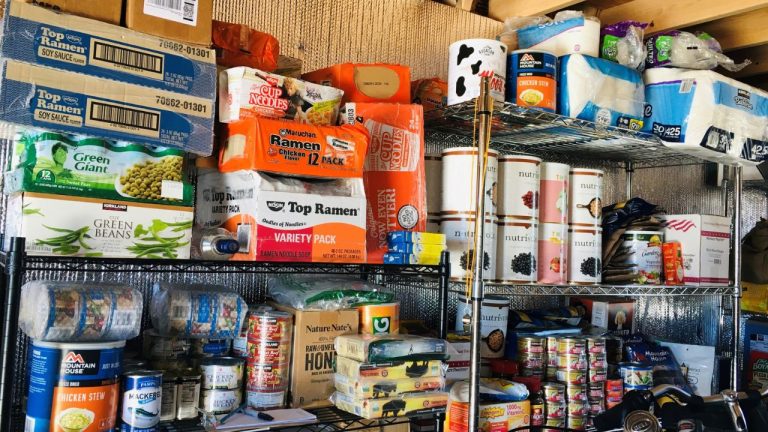
Food should provide plenty of calories without taking up your entire bag. Nuts, energy bars, dried fruit, crackers, shelf-stable foods, and other ready-to-eat options can work well.
Pack enough for at least three days for each person who relies on the bag. Foods that require little or no cooking are usually more practical during an evacuation.
If you have young children, older family members, or anyone with dietary restrictions, pack foods they will actually eat. A few familiar options can be much more useful than emergency food that sits untouched because nobody likes it.
Map and Compass
Your phone can be a great navigation tool, but its battery won’t last forever. A physical map of your local area gives you another way to find roads, landmarks, shelters, waterways, and alternate routes.
A compass takes up very little space. Learn how to use it before an emergency rather than trying to figure it out for the first time while you’re under pressure.
Paracord
Paracord is lightweight and takes up little room, which makes it handy for an emergency bag. A length of around 50 feet can be useful for securing gear, tying items together, hanging a tarp, or handling other basic tasks.
Keep it wound neatly so you can grab the amount you need without having to untangle a giant knot.
Cash
Cards and digital payment apps are convenient during normal days, but an emergency can change that quickly. Power outages or damaged communication systems can take payment terminals and ATMs offline.
Keep some cash in small bills inside a waterproof pouch. You don’t need to carry a huge amount. A modest emergency stash can help if a store is operating on cash only or you need to pay for transportation.
Whistle and Signaling Devices
A
A small signaling mirror can also help in certain outdoor situations. A bright emergency blanket can serve as a highly visible marker, too.
If you’re buying a whistle, choose one that is loud, durable, and easy to use.
Duct Tape
A small roll of duct tape can solve a surprising number of little problems. It can patch a tear in a tarp or bag, hold a broken item together temporarily, bundle supplies, or make a quick repair to gear.
If space is tight, you don’t have to carry a full-size roll. Wrapping some tape around a pencil, small bottle, or another compact object can give you a useful amount without taking up as much room.
Related: 27 Ways You Can Use Duct Tape in a Survival Situation
Personal Identification and Important Documents
Your emergency bag should contain copies of documents you might need if you have to leave home for an extended period.
Consider copies of identification, passports, insurance information, emergency contacts, medical information, and other paperwork your household may need. Place the copies in a waterproof envelope or sealed pouch.
Digital backups can also be useful. Store copies somewhere you can access them from another device if your primary phone or computer is lost or damaged.
Extra Batteries
A
Keep them in their original packaging or a small protective case so they don’t accidentally make contact with metal objects and lose their charge.
Hand-Crank or Solar-Powered Radio
A
A hand-crank option can be useful because you aren’t completely dependent on disposable
Phone Charger and Power Bank
Your phone can provide maps, emergency alerts, communication, and access to important information, so keeping it charged matters.
A compact power bank can give you an extra charge when you’re away from an outlet. Pack the charging cable your phone uses and check the power bank every few months to make sure it still holds a charge.
Keep all of your electronic accessories together in a small waterproof pouch so you don’t have to dig through the entire bag looking for one cable.
A good bug-out bag doesn’t have to be enormous or filled with expensive survival equipment. It should contain practical supplies that match your household, climate, transportation options, and the emergencies you’re most likely to face.
Check the bag every few months. Replace expired food and medications, swap out clothing when the seasons change, test electronics, and update important documents. A few minutes of maintenance can keep the bag ready when you actually need to grab it.