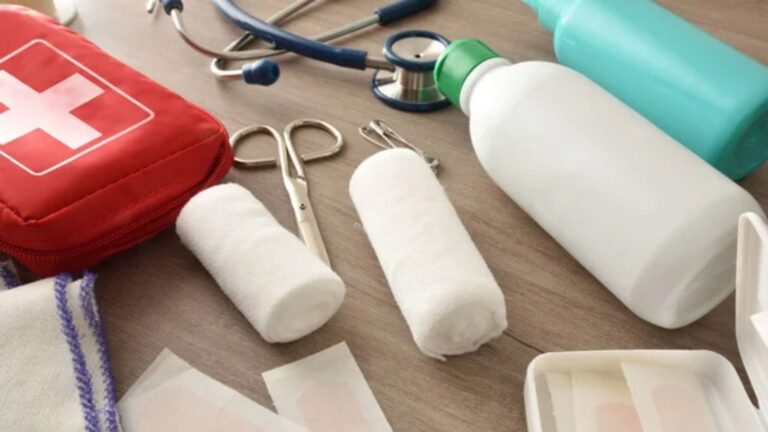
Building an emergency stockpile doesn’t have to mean filling every closet and cabinet in your house with supplies. A better way to do it is to buy a little at a time. Adding a few useful items to your shopping list each month can gradually give you a backup supply without putting a huge dent in your budget.
Storms, power outages, floods, supply shortages, and other emergencies can make ordinary household items surprisingly difficult to find. Having some basics already at home means you won’t have to make a last-minute trip to a crowded store when everyone else is doing the same thing.
The goal is to create a practical stash made up of things your household already uses. Here are 14 items worth adding to your stockpile over time.

Lighting Supplies
A power outage can make a house feel very different once the sun goes down. Keep several flashlights, extra
Solar lights and
Canned Food
Canned food is one of the easiest ways to build an emergency pantry. Canned vegetables, fruit, beans, meat, soups, and other ready-to-eat foods can sit on a shelf for a long time when stored in a cool, dry place.
Buy the foods your household already enjoys instead of filling your pantry with things nobody wants to eat. Rotate older cans into your regular meals and replace them during your next grocery trip.
Dried Beans
Dried beans are inexpensive, filling, and easy to store. They also give you a useful source of protein for meals made from basic pantry ingredients.
Keep them in airtight containers in a cool, dry area. Since dried beans can take time to cook, keep your cooking setup in mind too. If you expect to rely on alternative cooking methods during an outage, foods with shorter cooking times may be more convenient.
Dried Lentils
Lentils deserve a spot beside dried beans. They store well, provide protein and fiber, and cook much faster than many types of dried beans.
They can be added to soups, stews, rice dishes, or made into a simple meal with whatever vegetables and seasonings you have available. Adding a bag or two during your regular grocery trips is an easy way to build a supply over time.
White Rice
White rice has earned its place in many emergency pantries because it stores well and works with countless meals. It can be served with beans, canned vegetables, meat, or sauces, or used as the base for a simple one-pot meal.
Store rice in a cool, dry location in a sealed container. Buying larger bags can save money, but smaller packages may be easier to manage if you have limited storage space.
Pasta
A box of dried pasta can turn a handful of basic ingredients into a filling meal. It can be paired with canned tomatoes, vegetables, cheese, meat, or even a little butter and seasoning.
Pasta is also easy to rotate through your normal meals, so you don’t have to let boxes sit untouched for years. Pick up an extra package during regular grocery trips and keep your oldest boxes toward the front of the pantry.
First Aid Supplies
A well-stocked
You can also build your own first aid kit around your household’s needs. Check it from time to time and replace anything that has expired, dried out, or been used.
Water
Food can wait longer than water, so water storage deserves plenty of attention. A common emergency-planning guideline is to keep about one gallon per person per day for drinking, cooking, and basic hygiene.
Store commercially bottled water or food-grade water containers in a cool place away from direct sunlight.
Personal Sanitation Supplies
Toilet paper, feminine hygiene products, tissues, wet wipes, and paper towels may seem like ordinary household purchases until you suddenly can’t find them.
Add an extra package to your shopping cart from time to time instead of trying to buy everything at once. Keep track of what your household uses most so your stockpile stays practical rather than filling up with supplies you rarely need.
Soap
Soap is one of those items that is easy to overlook because it’s usually so readily available. During an emergency, though, keeping your hands and body clean becomes much harder if you run out.
Keep extra bars of hand and body soap, along with liquid hand soap if your household prefers it. Bar soap is especially convenient for long-term storage because it takes up little room and doesn’t require a bottle.
Garbage Bags
Garbage bags can serve far more purposes than simply holding household trash. During an emergency, they can help keep waste contained, protect items from rain, separate dirty clothing, or temporarily cover damaged belongings.
Keep both regular kitchen bags and a few heavy-duty contractor bags in your supply area. They take up little storage space and can be useful for cleanup after storms or other messy situations.
PPE (Personal Protection Equipment)
Gloves, masks, shoe covers, and other protective supplies can be useful during cleanup jobs or situations involving dust, dirt, mold, or contaminated materials.
A few boxes of disposable
Canning & Fermenting Supplies
If you grow your own food or regularly preserve produce, keep basic canning and fermenting supplies in your stockpile. Jars, lids, fermentation weights, and other supplies can become difficult to find at certain times of the year.
Extra canning lids are particularly handy because they are single-use items in many canning methods. Keeping a few supplies on hand means you can preserve food when your garden produces more than your family can eat right away.
Basic Tools & Rope
A few basic tools can save you from having to wait for someone else to make a small repair. A hammer, screwdrivers, pliers, wrenches, nails, and a roll of duct tape can handle plenty of small jobs around the house.
A length of rope or paracord is handy for securing items, tying down tarps, hanging things, or putting together a temporary shelter.
Related: 27 Ways You Can Use Duct Tape in a Survival Situation
Batteries
Extra
Store
Building an emergency stockpile doesn’t have to happen in one shopping trip. Add a few items each month, rotate older supplies into everyday use, and pay attention to what your household actually consumes. Over time, those small purchases can turn into a useful backup supply without making preparedness feel overwhelming.