There’s something special about seeing wild birds stop by your backyard for a quick meal. A colorful cardinal on a feeder, a tiny finch picking at seeds, or a woodpecker searching for a snack can bring a little extra life to your outdoor space.
Feeding birds is a wonderful way to enjoy nature while giving local wildlife an extra food source. The key is offering the right foods that provide the nutrients birds need instead of simply filling a feeder with whatever is available.
While traditional birdseed mixes are a popular option, many other foods can attract different bird species to your yard. Here are some of the best choices to add to your bird feeder.
Mixed Birdseed Blends
A good-quality birdseed mix is one of the easiest ways to welcome a variety of birds. Many blends include favorites like sunflower seeds, millet, and cracked corn, which appeal to different species with different feeding habits.
A mix can attract everything from small songbirds to ground-feeding visitors, making it a great starting point for any backyard feeder.
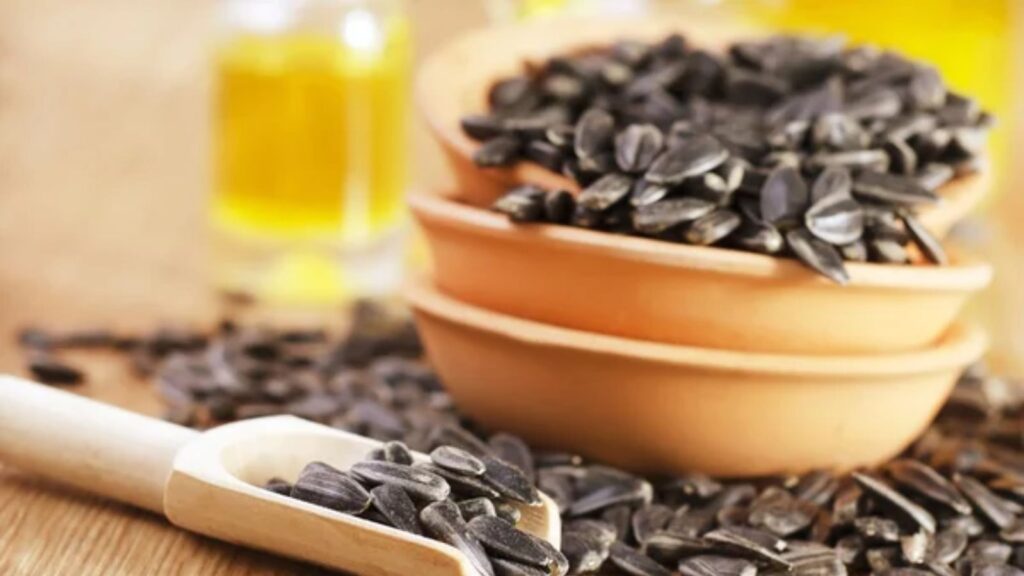
Black-Oil Sunflower Seeds
Black-oil sunflower seeds are one of the most popular bird foods available. Their high fat content provides plenty of energy, and the thin shells make them easy for many birds to open.
Species such as chickadees, cardinals, finches, and nuthatches often seek out these seeds, making them a reliable choice for attracting more activity around your feeder.
Related: Birds Are Avoiding Your Yard — Here’s Why
Nyjer Seeds
Nyjer seeds, sometimes called thistle seeds, are especially loved by smaller birds. Their tiny size makes them ideal for finches and other small songbirds with delicate beaks.
These seeds are rich in oils, giving birds a concentrated source of energy. A special finch feeder with small openings can help prevent larger birds from taking over.
Suet
Suet is a high-energy food made from animal fat and is especially helpful during colder months when birds need extra calories to stay warm.
Woodpeckers, nuthatches, and other insect-eating birds are often attracted to suet feeders. You can buy ready-made suet cakes or make your own using bird-friendly ingredients.
Unsalted Peanuts
Peanuts are packed with protein and healthy fats, making them a favorite among birds such as blue jays and chickadees.
Only offer plain, unsalted peanuts, and avoid giving whole peanuts to very small birds since they can be difficult to eat. Crushed or chopped pieces are a safer option.
Related: 15 Red Birds That Will Captivate Your Garden
Millet
Millet is a common ingredient in many birdseed blends and is especially popular with ground-feeding birds. Sparrows, doves, and juncos often enjoy this small seed.
You can scatter millet directly on the ground or place it in a feeder to attract birds that prefer feeding closer to the surface.
Safflower Seeds
Safflower seeds are a nutritious option that many birds enjoy, including cardinals, chickadees, and grosbeaks.
One added benefit is that squirrels often avoid safflower seeds because of their bitter taste. If squirrels are constantly emptying your feeder, switching to safflower may help.
Cracked Corn
Cracked corn is an affordable food source that provides energy for many ground-feeding birds. Quail, doves, and other larger birds often enjoy it.
Since cracked corn can spoil faster than some seeds, offer smaller amounts and keep feeders clean to prevent mold growth.
Related: Why Birds Keep Choosing Your Roof as Their Nesting Spot
Berries
Fresh or dried berries can attract birds that naturally feed on fruit. Robins, orioles, and waxwings are among the species that enjoy berries as part of their diet.
Planting berry-producing shrubs in your yard can provide a natural food source while also creating shelter for visiting birds.
Mealworms
Mealworms are a protein-rich treat that closely resembles the insects many birds eat in the wild. They are especially popular with bluebirds, wrens, and chickadees.
You can offer dried
How to Feed Wild Birds Safely
Providing food is a great way to attract birds, but keeping feeders clean and safe is just as important. Follow these tips to protect your feathered visitors:
- Place feeders in locations where birds have protection from predators, especially cats.
- Clean feeders regularly to reduce the spread of disease.
- Provide fresh water for drinking and bathing.
- Add multiple feeders if too many birds are competing for one space.
- Change food choices with the seasons. High-fat foods are helpful during colder weather, while fruits and seeds can support birds during warmer months.
A well-stocked feeder can turn your backyard into a welcoming spot for birds throughout the year. With the right foods and a little care, you’ll have a better chance of seeing a wider variety of species visit your outdoor space.