If you’ve set up feeders, planted flowers, and still aren’t seeing many birds, the problem might not be what you’re missing; it might be what’s already there.
A few common yard features can quietly make birds feel unsafe, stressed, or unwelcome. However, most of them are easy to fix once you know what to look for.
Here are nine things that could be pushing birds away.

Non-Native or Invasive Plants
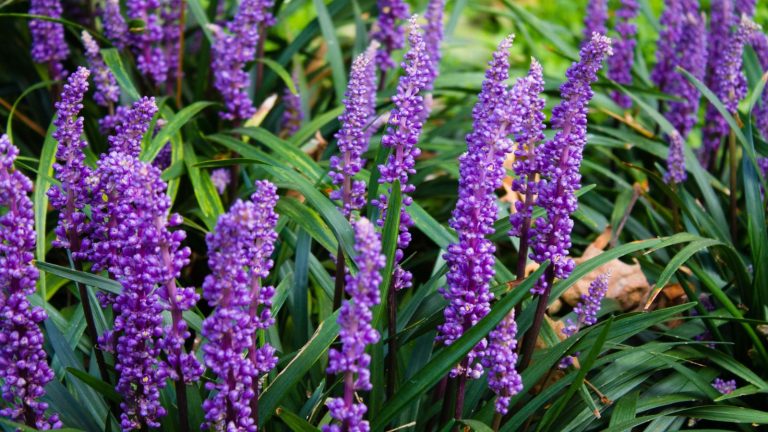
Many ornamental plants don’t provide the seeds, berries, or insects that local birds depend on. Native plants support the entire ecosystem — from caterpillars to songbirds.
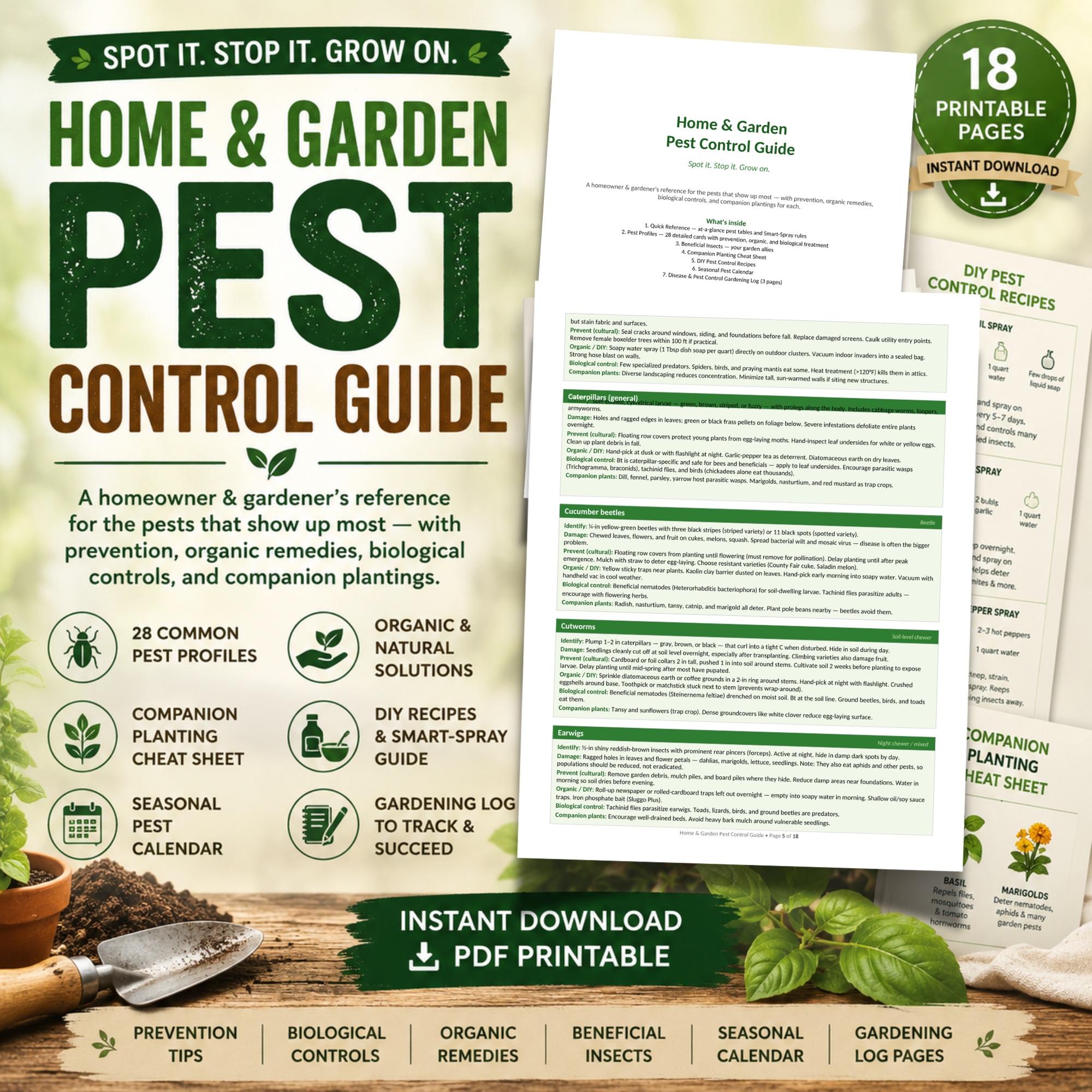
18-page quick guide and reference for gardeners dealing with pests that show up the most. From prevention strategies to treatment and remedies, this is the perfect printable for your garden.
Pesticides
Chemical pest control doesn’t just kill bugs; it removes a major food source. Many birds rely on insects, especially during nesting season. Organic or natural pest control methods help maintain balance.
15 Natural Plant Fertilizers Made from Everyday Waste to Feed Your Garden
Reflective Windows and Shiny Surfaces
Large glass doors, reflective windows, and even mirrored décor can confuse birds. Reflections look like open sky or rival birds, leading to collisions or territorial stress. Window decals, screens, or breaking up reflective surfaces can make your yard much safer.
Constant Loud Noise
Wind chimes, outdoor speakers, and regular machinery noise can disrupt birds’ ability to communicate and detect predators. Birds prefer calmer spaces where they can hear warning calls clearly.
Dirty Bird Feeders

Moldy seed and stagnant water can spread disease quickly. Feeders need regular cleaning and fresh seed to remain safe gathering spots rather than health hazards.
No Reliable Water Source
Birds need water for drinking and bathing. A shallow birdbath with fresh water, placed near protective cover, can dramatically increase visits.
20 Hidden Water Sources That Can Keep You Alive in an Emergency
Too Much Open Space
A yard with no shrubs, hedges, or layered plants may look tidy, but birds need cover. Without protection from predators, they won’t stick around. Native shrubs and small trees provide both shelter and food.
Free-Roaming Cats
Even well-fed cats hunt instinctively. If birds sense a predator nearby, they’ll avoid the area entirely. Keeping cats indoors or supervised helps protect local bird populations.
Swimming Pools Without Escape Options
Birds may mistake pools for safe water sources. Without easy perches or exits, they can struggle. Adding floating objects or providing a shallow birdbath nearby reduces risk.