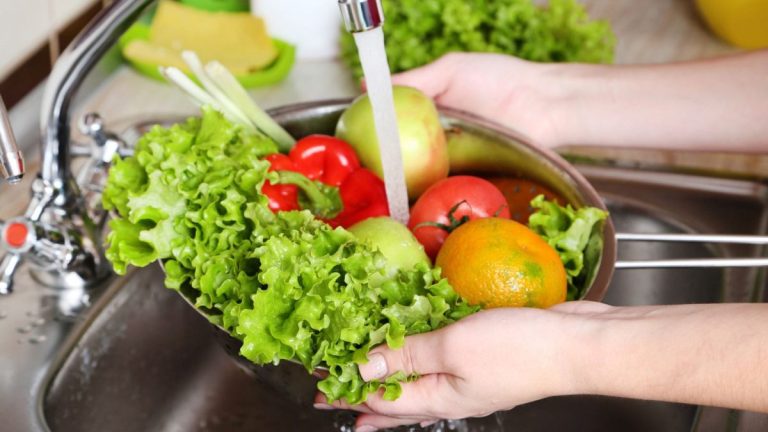
Grocery shopping has gotten more expensive, and it’s something most households are feeling. Prices on everyday items keep going up, which makes it harder to stick to a budget.
The good thing is that there are simple ways to spend less without cutting back on the meals you enjoy. Small changes in how you plan and shop can add up over time and help keep costs under control.
Here are 14 practical ways to lower your grocery bill.
Buy Generic or Store Brands
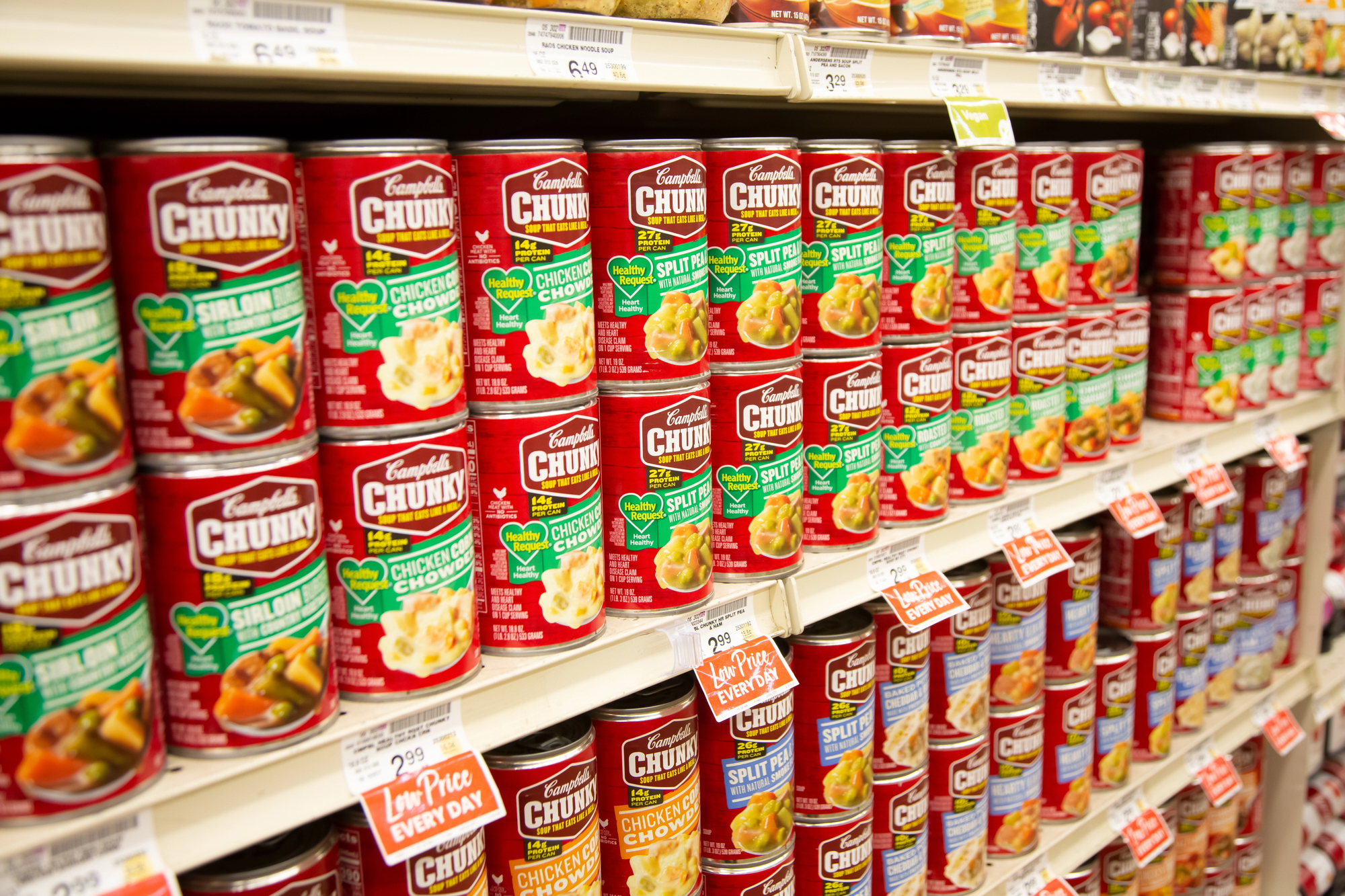
Store brands often offer the same quality as name brands at a lower cost. Experiment with these to find which ones meet your standards.
Create a Grocery List

Making a detailed shopping list helps you stay focused, saves time, and prevents impulsive purchases. Whether you prefer a digital app or the traditional pen and paper, an organized list will help you shop efficiently and avoid buying duplicates of items you already own.
Take Inventory Before Shopping

Before you head to the store, check what you already have in your fridge and pantry. This prevents buying items you don’t need and helps reduce food waste.
Use a Small Basket

Choosing a smaller shopping basket can help you buy less. Larger carts can encourage filling them up with unnecessary items.
Buy Whole Fruits and Vegetables

While pre-chopped vegetables and bagged salads are convenient, they’re also more expensive. To save money, opt for whole fruits and vegetables and prepare them at home. Alternatively, you can grow your own fruits and vegetables at home for even more savings.
Buy Produce in Season
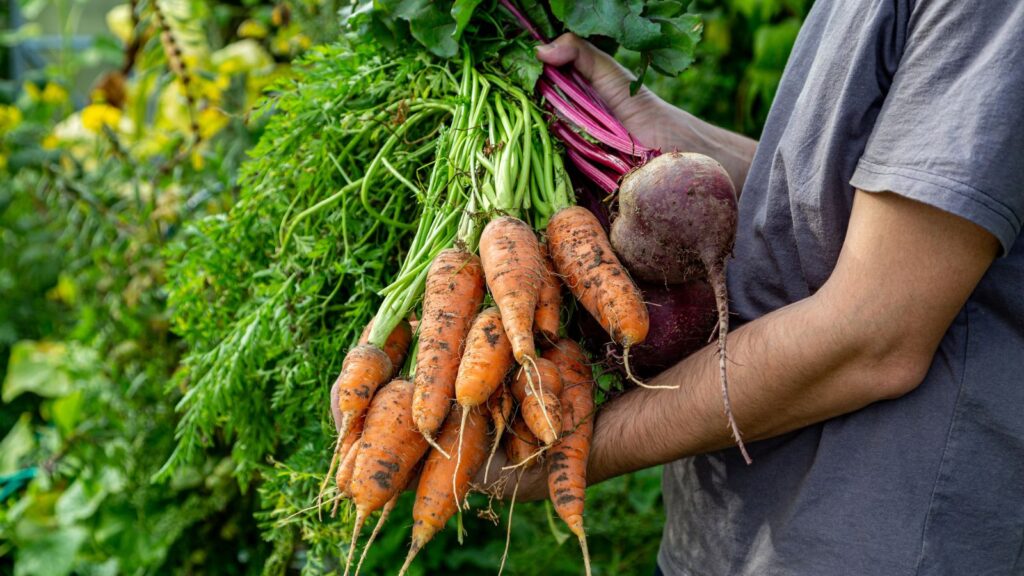
Seasonal produce is not only cheaper but also fresher and tastier. Familiarize yourself with the seasonal availability of fruits and vegetables to make cost-effective choices.
Don’t Shop While Hungry

Shopping on an empty stomach can lead to impulse buys. Eat a snack or meal before you go to the grocery store to keep your shopping list on track.
Check For Sale Flyers

Stay updated on sales by reviewing local newspaper circulars, sales flyers, or store apps to know what’s currently on sale. Recognize the items you regularly need and keep an eye out for discounts. Shopping during sales is a simple yet effective strategy to reduce grocery expenses.
Find And Clip Coupons

Coupons are an effective way to save on your grocery bill and are far from outdated. You can find coupons online and in the local coupon circulars regularly delivered to your mailbox.
Join Store Mailing List

Many grocery stores provide free loyalty programs for customers to join. When you sign up, you can enjoy exclusive member discounts automatically applied at checkout, eliminating the need for coupon clipping. These loyalty programs often include point systems and coupon offers seamlessly integrated into the store’s app. Additionally, many stores offer special discounts exclusively for their loyal members.
Use Cash Back Apps

Several rebate apps, like Ibotta and Rakuten, offer cash back for your grocery purchases. Registering for one of these free services allows you to save even more on top of loyalty program benefits and credit card rewards. Depending on the specific app, you might need to link a loyalty card or submit receipts to claim your rebates.
Plan Meals

Meal planning is a great way to ensure you buy only what you need. Plan your meals for the week and purchase only the required ingredients.
Check Unit Prices

Look at the unit price to compare costs between different sizes and brands. Sometimes, buying in bulk or choosing a different size can offer better value.
Buy in Bulk

Purchase items like rice, coffee, and cereal in bulk when they’re on sale. Storing them properly can lead to long-term savings.
14 Vegetables You Can Regrow with Kitchen Scraps
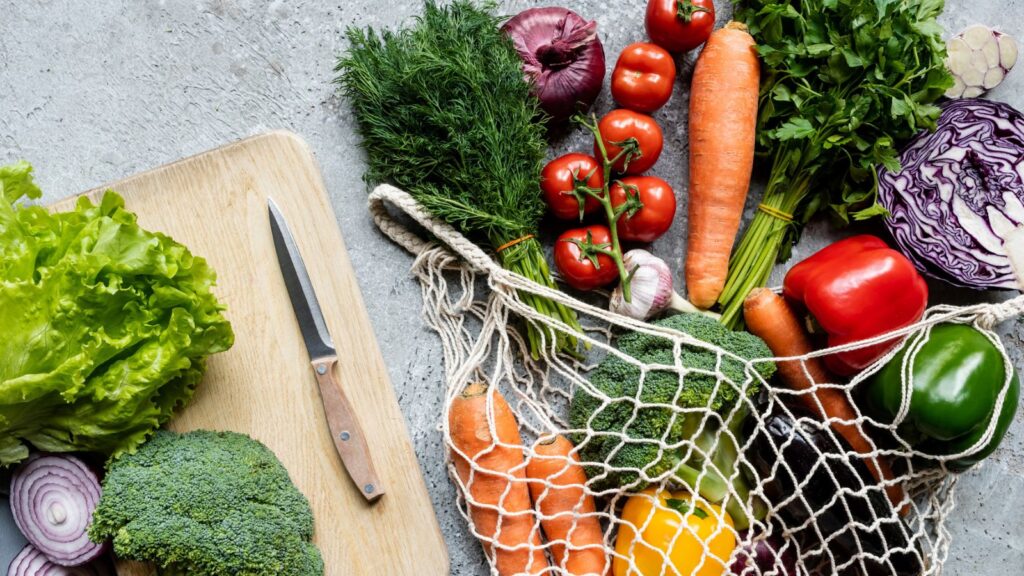
Many vegetables can sprout new roots or shoots under the right conditions, allowing you to regrow them from just the leftovers. Here’s a list of vegetables perfect for regrowing from scraps.