Long before medicine cabinets were filled with bottles and boxes, families often turned to the plants growing around them. A cup of herbal tea, a handful of dried leaves, or a homemade salve could be part of everyday home care. Many of those plants are still grown today because they’re useful, familiar, and easy to keep in a garden.
Growing medicinal herbs and flowers on a homestead can be a practical way to learn more about the plants around you while keeping certain traditional herbs close at hand. You don’t need a huge garden, either. A few containers, a small raised bed, or a sunny corner of the yard can be enough to get started.
Of course, herbs and plants aren’t a substitute for professional medical care. Some can also interact with medications or cause reactions, so it’s worth learning about each plant before using it.
Here are 14 medicinal herbs and flowers that have a long history of household use and can make useful additions to a homestead garden.

Turmeric for Inflammation
Turmeric is best known for its bright yellow color and the compound curcumin found in its rhizomes. Curcumin has been studied for its anti-inflammatory properties, and turmeric has been used in traditional medicine for generations.
Fresh turmeric can be grown in warm conditions or in containers that can be moved indoors when temperatures drop. The harvested rhizomes can be used fresh, dried, or ground into powder for cooking.
People who take blood thinners or other medications should check with a healthcare provider before taking concentrated turmeric or curcumin supplements, since supplements can interact with some medications.
Chamomile for Relaxation
Chamomile is one of those herbs that feels right at home in a backyard garden. Its small, daisy-like flowers can be dried and steeped into a mild tea that’s often enjoyed before bedtime.
Chamomile has traditionally been used to encourage relaxation and support sleep. Some research also suggests it may help with mild anxiety.
The plant prefers plenty of sunlight and well-drained soil. Once established, it doesn’t require much attention and can reseed itself if the flowers are left to mature.
People with allergies to ragweed and related plants should be cautious, since chamomile can trigger allergic reactions in some individuals.
Calendula for Skin Care
Calendula is easy to recognize by its cheerful yellow and orange flowers. It’s also a useful plant to have around the homestead because the flowers can be dried and used in homemade preparations.
Calendula seeds can be grown in garden beds or containers. Traditionally,
The flowers also attract pollinators, so you get more than one benefit from giving this plant a spot in the garden.
Eucalyptus for Congestion
Eucalyptus is widely associated with respiratory care because
If you grow eucalyptus, keep in mind that essential oil is a concentrated product and needs to be handled carefully. It should not be swallowed, and topical use generally requires proper dilution to reduce the risk of skin irritation.
Eucalyptus essential oil can be used in products such as diluted chest rubs or steam preparations. Keep
Garlic for Everyday Wellness
Garlic earns its place in a homestead garden for plenty of reasons beyond its medicinal history. It adds flavor to meals, stores well after curing, and doesn’t require much room.
Garlic has also been studied for its antimicrobial properties and possible effects on cardiovascular health. Fresh
Planting
Ginger for Nausea
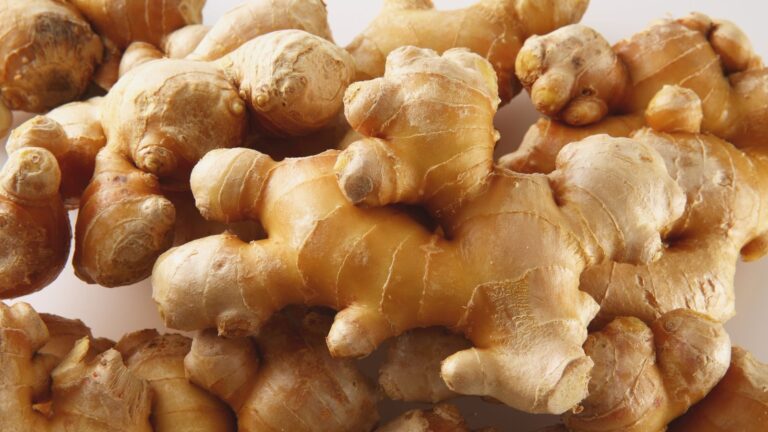
Ginger has been used for generations as a home remedy for nausea, and research supports its usefulness for some forms of nausea.
One of the easiest ways to use fresh ginger is by making tea. Slice a piece of the root, add it to hot water, and let it steep. A little
Ginger grows well in containers and can be moved indoors in cooler weather. People who take blood-thinning medication or deal with frequent heartburn should talk with a healthcare professional before consuming large amounts.
Related: How to Make Ginger Powder
Peppermint for Digestive Discomfort
Peppermint is one of the easiest herbs to grow, which can be both a blessing and a problem. Give it room, because it can spread quickly.
Peppermint tea is a simple way to enjoy the herb.
Mint is a great starter herb for anyone new to gardening.
Aloe Vera for Minor Burns
Aloe vera is a familiar houseplant for good reason. The clear gel inside the leaves has long been used to cool and soothe minor skin irritation and sunburns. Some research has also examined aloe vera for burn healing.
For a minor burn, cool running water is the first step. Aloe gel can be used afterward to soothe the skin. Serious burns, deep burns, or burns covering large areas need medical attention.
Aloe vera likes bright light and soil that dries between waterings. It grows particularly well in warm climates and can also be kept in containers.
Related: 15 Gorgeous Succulents for a Picture-Perfect Garden
Lavender for Relaxation
Lavender brings color, fragrance, and pollinators to the garden, but its traditional uses go beyond its appearance. The scent is commonly used in relaxation products and aromatherapy.
Some studies have found that
If you use
Lavender prefers full sun, good drainage, and relatively dry conditions once established.
Related: How to Make Lavender Infused Oil
Lemon Balm for Stress
Lemon balm has a fresh, citrusy scent and is another easy herb for a home medicinal garden. Its leaves can be used fresh or dried for tea.
Traditionally,
Related: How to Make Lemon Balm Lip Balm for Cold Sores
Sage for Sore Throats
Sage is already a familiar kitchen herb, but it has also been used traditionally for sore throats and mouth care. The leaves can be dried for cooking or steeped into tea.
It’s a hardy perennial in many climates and doesn’t require much room, making it a good choice for a smaller garden. Having fresh sage nearby also means you can use it regularly instead of growing it solely for medicinal purposes.
Rosemary for the Garden and Home
Rosemary is another plant that earns its spot by doing several jobs. It brings a strong flavor to roasted meats, vegetables, soups, and breads, while its fragrance can also help discourage some garden pests.
Rosemary grows best with plenty of sunlight and well-drained soil. It can also be propagated from cuttings, so a single healthy plant can eventually give you several more.
Rosemary is also used in homemade infused oils and hair-care preparations.
Coneflower (Echinacea)
Coneflower, also called
Echinacea has a long history of use in herbal medicine, particularly for cold symptoms and immune support. Research on its effectiveness has produced mixed results, so it’s better viewed as a traditional herbal remedy rather than a guaranteed treatment.
Coneflower generally grows well in Zones 4 through 9 and can bloom from summer into fall.
Clove for Toothaches
Cloves have been used in traditional home remedies for toothaches for a very long time. Their strong flavor comes from eugenol, a compound that has numbing and antimicrobial properties.
Clove oil is highly concentrated, so it should be handled carefully and never applied directly in large amounts to the gums or swallowed. A toothache can also signal an infection or another dental problem that needs professional care.
For a homestead kitchen, whole cloves are useful for cooking, spice blends, teas, and traditional home remedies.
A medicinal garden doesn’t have to look like a pharmacy. A few useful herbs tucked between vegetables and flowers can give you practical plants to cook with, dry, preserve, and learn about throughout the year. The real value is knowing what you have growing outside your door and how to use each plant safely.