A lot of the skills our grandparents learned as a normal part of growing up have faded from everyday life. It isn’t because those skills stopped being useful. Life just became more convenient. We order dinner instead of cooking from scratch, replace torn clothes instead of repairing them, and call someone for a home repair that our grandparents might have handled themselves.
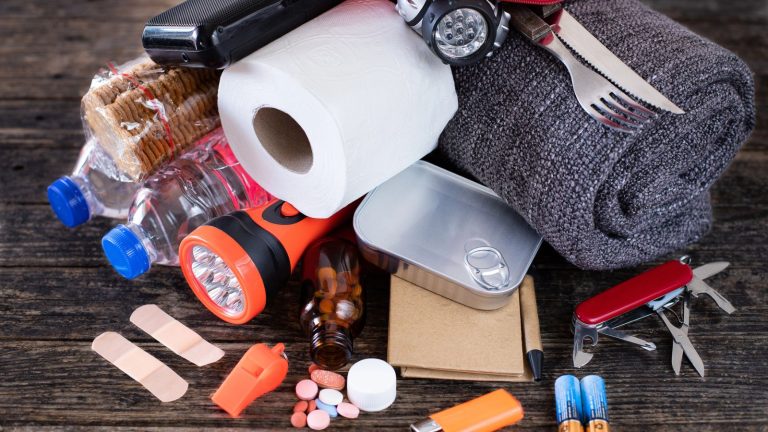
Most days, that convenience is great. But a storm, power outage, tight budget, empty store shelves, or other unexpected problem can change things quickly. That’s when knowing how to grow food, mend clothing, preserve a harvest, or make something from scratch suddenly becomes very useful.
You don’t have to live off the grid or turn your home into a homestead to benefit from these skills. Knowing how to do basic things for yourself can save money, reduce waste, and make everyday problems easier to handle.
Here are 15 old-fashioned skills worth keeping around.

Learning to Fish
Fishing was once a common way for families to put fresh food on the table. Today, it can still be a useful skill for anyone who spends time outdoors or wants another way to source food.
Learning how to choose a good fishing spot, bait a hook, cast, and safely handle a catch takes practice. It can also be a relaxing hobby when you aren’t thinking about dinner.
For anyone interested in self-reliance, knowing how to catch and prepare fish gives you another food option that doesn’t depend entirely on a grocery store.
Growing Your Own Food
A backyard garden can provide far more than a few tomatoes in summer. Even a small growing space can produce herbs, greens, vegetables, and other foods throughout the season.
Previous generations often grew food because buying everything at a store simply wasn’t an option. Today, gardening can help lower grocery costs and give you fresh produce right outside your door.
You don’t need a huge yard, either. Containers, raised beds, and small garden plots can all produce useful harvests.
Related: How to Start a Herb Garden from Scratch
Hunting for Food
For people who choose to hunt, knowing how to safely and legally harvest wild game can provide another source of meat. Hunting also requires patience, outdoor knowledge, proper equipment, and respect for wildlife and local regulations.
Earlier generations often depended on hunting to supplement what they could grow or buy. While most families today have easier access to meat, the skill can still be useful for those who practice it responsibly.
Learning how to properly handle and process game is just as important as knowing how to hunt.
Basic Sewing and Mending
There was a time when a ripped shirt didn’t automatically mean a trip to the store. A needle, some thread, and a little patience could give clothing several more years of use.
Basic sewing is still handy today. Knowing how to sew on a button, repair a torn seam, patch a hole, or fix a loose hem can save money and keep favorite clothes out of the trash.
A small sewing kit takes up very little room, so there’s little reason not to keep one around.
Basic Carpentry
You don’t have to be a professional woodworker to benefit from basic carpentry skills. Knowing how to measure, cut, fasten, sand, and make simple repairs can come in handy around almost any home.
These skills can help with loose boards, damaged shelves, simple furniture projects, garden structures, and other small jobs.
Having a few basic tools and knowing how to use them can also save you from paying for every minor repair.
Foraging for Edible Wild Plants
Foraging was once a practical way to supplement meals with wild greens, berries, nuts, herbs, and other seasonal foods. It can still be an interesting skill today, but it requires careful study.
Some wild plants look remarkably similar to plants that can make you sick, so guessing is never worth the risk. Learn from reliable local resources and experienced foragers before eating anything found in the wild.
Once you know what is safe, foraging can add seasonal ingredients to your meals at little or no cost.
Related: 10 Reasons to Grow a Wildflower Garden
Baking Bread From Scratch
For many families, homemade bread was simply part of the weekly routine. A few basic ingredients could turn into loaves, rolls, biscuits, or other filling foods.
Baking bread at home can still save money, especially if you already keep flour and other baking staples in the pantry. It also gives you a useful way to make food from ingredients you may already have.
You don’t need fancy equipment to get started. Flour, water, yeast, salt, and an oven are enough for a basic loaf.
Related: How to Make White Bread in a Bread Maker
Canning and Preserving Food
Before supermarkets made fresh produce available year-round, families had to find ways to make seasonal food last. Canning became one of the most practical methods.
Home canning can turn a large garden harvest into jars of vegetables, fruits, sauces, and other foods that can be stored for later.
Safe canning requires following tested recipes and proper processing methods. Once you learn the basics, it becomes a useful way to reduce food waste and make better use of a large harvest.
Bartering Goods and Skills
Trading goods or services was common in many communities before cash became the standard for every transaction. That idea can still work today.
A neighbor might have extra eggs while you have more vegetables. Someone may know how to repair a fence while you can help with a garden project. Small trades like these can save money and build stronger relationships with people nearby.
Bartering also reminds us that useful skills can be just as valuable as things sitting on a store shelf.
Beekeeping
Keeping bees has long provided families with
Honey can be used in cooking, baking, and drinks, while
Beekeeping does require proper equipment, education, and regular care, so it’s worth learning the basics before bringing a hive home.
Honey can also be useful to keep in the pantry even if you don’t keep bees yourself.
Cooking Without Modern Appliances
Our grandparents didn’t have an electric appliance for every cooking task. They cooked with basic pots, pans, ovens, wood stoves, grills, and open fires.
Knowing how to prepare a meal without relying on every modern kitchen appliance can be useful during a power outage or while camping. A
Learning these methods also makes it easier to cook simple meals from pantry staples.
Related: 30 Dutch Oven Soup Recipes
Dehydrating Food
Drying food was a practical way to make seasonal produce last longer before refrigeration became common.
Today, a
Dehydrated foods are lightweight and easy to pack, making them useful for snacks, camping trips, and pantry storage.
Related: 16 Perfectly Delicious Dehydrator Snacks You Have to Try
Raising Backyard Livestock
Keeping a few chickens or other small livestock can provide food while teaching useful daily skills. Chickens can provide eggs, for example, while other animals may provide meat or dairy depending on the type of livestock and local rules.
Raising animals requires regular feeding, clean water, shelter, health care, and protection from predators. It’s real work, but it can also give a household another source of food.
Even if you never keep livestock yourself, learning what proper animal care involves can be valuable.
Butchering and Processing Meat
Knowing how to process meat was once a basic household skill for families that raised animals or hunted. Today, many people have never had to handle a whole animal or large cut of meat.
Learning proper butchering and food-safety practices can help reduce waste and make better use of available meat. It also gives hunters and livestock owners more control over how food reaches the table.
This is a hands-on skill, so learning from an experienced person is often the best way to get started.
Making Dairy Products
Milk can be turned into several foods that many people now simply buy at the store. Butter, yogurt, cheese, and other dairy products were once common homemade foods.
Making them at home can be a useful skill for anyone who has access to fresh milk. It can also make use of extra milk before it spoils.
You don’t need to own a cow or goat to learn the basics. Many homemade dairy recipes can be made with store-bought milk.
Related: How to Make Homemade Yogurt in an Instant Pot
The skills our grandparents learned weren’t always glamorous or complicated. They were practical things that helped families cook, repair, grow, preserve, and make the most of what they had.
A lot of those skills still make sense today. They can save money, reduce waste, give you more options during an unexpected problem, and make you a little less dependent on convenience. You don’t have to learn all 15 at once. Pick one that interests you, practice it, and build from there.