Some animals are surprisingly good at surviving situations that would be deadly for most living things. We’re talking about freezing temperatures, extreme heat, years without food, and even wildfires that destroy nearly everything in their path.
What’s interesting is how differently these animals have adapted to survive. Some can slow their bodies down to conserve energy, while others have developed physical defenses that help them withstand incredibly harsh conditions.
Here are eight animals with extreme survival abilities.
Dromedary Camel
Camels are built to handle extreme desert conditions where water can be difficult to find. A dromedary camel can sometimes go well over a week without drinking, thanks to its ability to conserve moisture, tolerate significant dehydration, and quickly replace lost fluids when water becomes available.
Habrobracon Wasp
Cockroaches may get all the attention for being tough, but a tiny parasitic wasp called Habrobracon hebetor has demonstrated remarkable resistance to radiation. Studies have shown that these insects can survive radiation doses far beyond what humans could tolerate, although high exposure can still affect their ability to reproduce.
Echidna
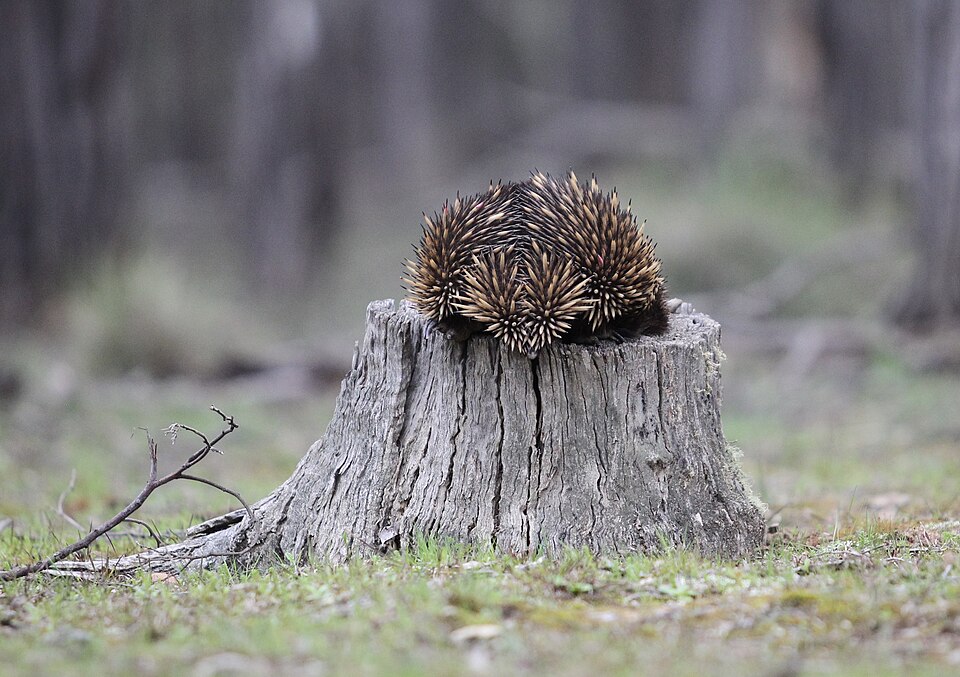
According to BBC Wildlife Magazine, echidnas have an unusual way of surviving wildfires in the Australian bush. Rather than trying to outrun the flames, these spiny, egg-laying mammals can shelter underground or in protected spaces and lower their body temperature and metabolism to conserve energy until conditions improve.
Tardigrade
Tardigrades, also known as water bears, are microscopic creatures that can survive some of the harshest conditions on Earth, including extreme cold, dehydration, and high levels of radiation. When conditions become dangerous, certain species enter a dormant state called cryptobiosis, allowing them to survive environments that would normally be deadly.
Mongoose
A mongoose might seem like an easy target for a venomous cobra, but this small mammal has some impressive defenses. Its quick reflexes help it avoid snakebites, while special adaptations in its nerve receptors provide resistance to certain snake venoms, although a serious bite can still be deadly.
Saltwater Crocodile
Saltwater crocodiles have thick, tough skin reinforced with bony plates called osteoderms, giving them extra protection during fights with other crocodiles. Combined with their powerful jaws and enormous size, this natural armor helps make them some of the toughest predators in the animal kingdom.
Olm
Deep inside European caves lives the olm, a pale, nearly blind salamander that can survive for years with very little food. Its extremely slow metabolism allows it to conserve energy, and researchers believe it can endure food shortages lasting up to a decade under certain conditions.
Fire Ant
When floodwaters rise, fire ants have an unusual way of keeping their colonies alive. Thousands of ants link their bodies together to form a floating raft, allowing the colony to stay above water and move with the current until it reaches dry ground.