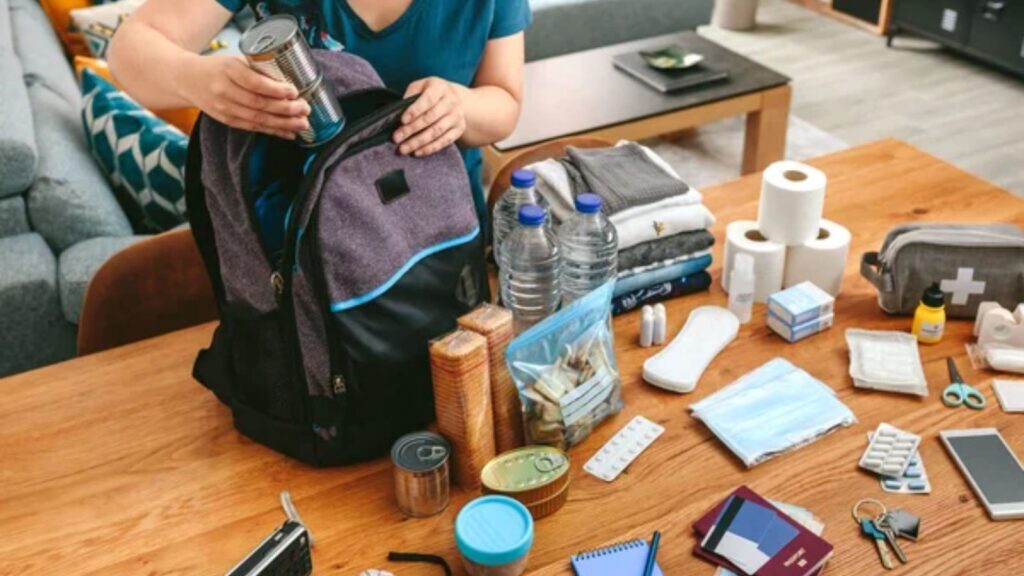
A few years ago, bug-out bags sounded like something reserved for survival shows or disaster movies. But with more frequent wildfires, hurricanes, floods, and other emergencies, having a ready-to-grab emergency bag has become a practical step for many households.
A bug-out bag, often called a BOB, is a portable emergency kit meant to provide the basics for around 72 hours if you need to leave home quickly. Whether you’re evacuating because of a natural disaster, a major power outage, or another unexpected event, your bag should help you stay safe, hydrated, fed, and comfortable until you reach a secure location.
The trick is finding the right balance. A bug-out bag should have useful supplies without becoming too heavy to carry. Many people remember the obvious items like food, water, and flashlights but forget smaller supplies that can become extremely useful. Before you consider your emergency bag finished, check that these commonly missed items are included.
Disposable Wipes
Clean water may be difficult to find during an emergency, making disposable wipes a simple but valuable addition to your bag. They can help with basic hygiene, cleaning small messes, and reducing the spread of germs when regular washing isn’t possible.
Biodegradable wipes are a good option since they break down more easily and are less harmful to the environment.
Related: 14 Unique Survival Hacks That Break All The Rules
Bandanas
A bandana takes up almost no space but has countless uses during an emergency. It can be used as a head covering, towel, bandage wrap, dust protection, sling, signal flag, or a way to filter larger debris from water before purification.
Pack a few if you have room. Their lightweight design makes them easy to carry without adding much bulk.
Water Filtration System
Water should always be one of your top priorities in an emergency. Carrying enough water for several days can become heavy, so a portable filtration system can make a big difference.
Collapsible bottles, hydration bladders, and compact filters take up less space than large containers.
Non-Perishable Food
Food is often one of the heaviest parts of a bug-out bag, so choose items that provide plenty of calories without taking up too much room.
Good choices include nuts, protein bars, peanut butter packets, dried fruit, crackers, and freeze-dried meals. Pack enough for at least three days and choose foods that require little or no preparation. A spoon or small utensil is also worth adding.
First Aid Kit
A
People living far from emergency services may also want to add supplies for more serious injuries, such as trauma dressings or a tourniquet after receiving proper training.
Multi-Tool or Knife
A good multi-tool can replace several individual tools while saving space. It can help with cutting materials, opening containers, making repairs, preparing food, and handling small mechanical tasks.
A quality knife is another useful option, but avoid packing heavy tools that add unnecessary weight to your bag.
Fire-Starting Tools
Fire can provide warmth, light, cooked food, and a way to signal for help.
Pack several fire-starting options instead of relying on only one. Waterproof matches, a lighter, a ferro rod, and commercial fire starters can give you backups if one method fails. Store them in a waterproof container or bag.
Emergency Shelter
You may not know how long you’ll be away from home, so having basic shelter supplies is important.
A lightweight tarp, emergency blanket, bivy sack, or compact rain poncho can protect you from wind and rain. Larger items like tents and sleeping bags offer more comfort but can add significant weight, so choose based on your needs and the distance you may need to travel.
Extra Clothing
Packing an entire wardrobe isn’t practical. Choose lightweight clothing that dries quickly and protects you from changing weather.
A spare pair of socks, underwear, thermal layer, and waterproof outer layer can help you stay warmer and more comfortable during an evacuation.
Flashlights
A reliable
LED flashlights are a good choice because they use less energy and can run longer. Consider packing extra
Hygiene Supplies
You don’t need a full bathroom kit, but a few basic supplies can make difficult situations much easier.
Pack items like a toothbrush, toothpaste, soap, hand sanitizer, tissues, wet wipes, sunscreen, and insect repellent. Small comforts like these can improve your health and overall comfort when normal routines are disrupted.
Related: 22 Hygiene Products People Often Forget to Add to Their Emergency Stockpile
Map and Compass
Technology is helpful, but phones can run out of battery, break, or lose service during emergencies.
A paper map and compass can help you find your way when digital tools aren’t available. Practice using them before you need them, since having the equipment means little if you don’t know how to use it.
Paracord
Paracord is lightweight, strong, and useful for many tasks. A length of
A 50-foot length is usually enough for many emergency tasks without taking up much space.
Cash
During major emergencies, electronic payments may stop working, and ATMs may not be available.
Keep some small bills in your bag for situations where you need transportation, food, supplies, or other services. Store cash in a waterproof container or envelope.
Whistle and Signaling Devices
If you become lost or need rescue, making yourself easy to find matters.
A
Duct Tape
A small roll of
To save space, wrap
Related: 27 Ways You Can Use Duct Tape in a Survival Situation
Personal Identification and Important Documents
Losing access to important paperwork during an emergency can create major problems.
Keep copies of identification, insurance details, medical information, emergency contacts, and other important records in a waterproof pouch. Digital backups stored securely can also provide access if physical copies are lost.
Extra Electronics
A phone can be a valuable tool during an emergency, but only if it has power.
Pack a portable power bank, charging cables, spare
A well-prepared bug-out bag isn’t about carrying everything you own. It’s about choosing practical supplies that help you handle unexpected situations with fewer problems. Review your bag regularly, replace expired items, and practice using your gear so you know what works before an emergency happens.