

When disaster strikes, the people around you can make all the difference. Knowing your neighbors isn’t just about being friendly—it’s about building a network of support that can help with everything from sharing resources to looking out for each other’s safety.
While many preppers prefer to keep their plans private, it’s still important to have an idea of who you can rely on and who might be at risk. In an emergency, having strong community ties can mean faster recovery, better access to resources, and a stronger sense of security.
1. Immediate Assistance
When disaster strikes, your neighbors are often the first people who can step in to help—sometimes even before emergency responders arrive. Whether it’s providing first aid, offering a safe place to regroup, or even helping out in everyday mishaps like catching you when you take a bad fall off a ladder, having a trusted community nearby can make all the difference in critical moments.
2. Shared Resources

When supplies run low during a disaster, having a network of neighbors can make a big difference. Food, water, and essential items may be hard to come by, but working together allows everyone to make the most of what they have.
If you’ve got a stockpile of beans and your neighbor has rice, suddenly, you’re both better off. Building these connections before an emergency ensures that when the time comes, you’ll have a support system in place.
3. Increased Safety
A well-connected community can deter looters and criminals who may exploit vulnerable situations. You can’t stay awake twenty-four hours a day. You need to be able to trust your neighbor to take watch.
4. Efficient Communication

If there’s a crisis, staying informed can be just as important as having supplies. When official communication channels get disrupted or go down, neighbors can step in to share critical updates.
Whether it’s passing along information by word of mouth, using alternative communication methods like HAM radio, or relaying messages for those who can’t leave their homes, a connected neighborhood ensures that no one is left in the dark. Having a reliable way to communicate can make all the difference in navigating an emergency.
5. Emotional Support

When disasters strike, it can be mentally and emotionally taxing. Having a supportive community can provide comfort and reassurance during difficult times. Sometimes, having a shoulder to lean on outside your immediate family can make all the difference in stress management.
6. Assistance for Vulnerable Individuals

Elderly, disabled, or ill individuals may require extra help. Neighbors can check on and assist those who are most vulnerable.
7. Collaborative Preparedness Efforts

Neighborhoods that prepare together can develop emergency plans, conduct drills, and establish meeting points for better coordination. Neighborhood groups give you a chance to plan.
8. Pooling Skills and Expertise

Everyone brings something different to the table, and in a crisis, those skills can be lifesaving. A neighbor with medical training can help with injuries, while someone with mechanical know-how can keep generators or vehicles running.
Knowing who has what expertise ahead of time means you’ll know exactly who to turn to when an emergency arises, saving valuable time and ensuring that the community can work together effectively.
9. Alternative Shelter Options

If your home becomes unsafe due to a disaster, having good relationships with your neighbors can provide a lifeline. Whether it’s offering a spare room, a warm place to stay for the night, or even just a temporary refuge until help arrives, neighbors can step in when you need it most. In times of crisis, a strong community means no one has to face hardships alone.
10. Transportation and Evacuation Support

If evacuation becomes necessary, neighbors can offer transportation to those lacking vehicles or have mobility issues.
11. Child and Pet Care Assistance

During emergencies, parents and pet owners may need extra help. Neighbors can assist by looking after children or pets until you can get home.
12. Problem Solving

In a crisis, teamwork can make all the difference. Neighbors working together can come up with creative solutions for challenges like food distribution, waste management, and rebuilding efforts.
Whether it’s figuring out how to stretch limited supplies or organizing a plan to clear debris, multiple perspectives lead to smarter decisions. In tough situations, a strong community can tackle problems more effectively than any one person alone.
13. Strengthening Bonds

Knowing your neighbors fosters a sense of belonging. You might think you’re a lone wolf, but humans are prewired to need and want a community.
14. Faster Recovery and Rebuilding

Communities that work together recover faster. They can share labor, materials, and knowledge to rebuild homes and infrastructure. It’s all about dividing and conquering.
15. Encourage Preparedness
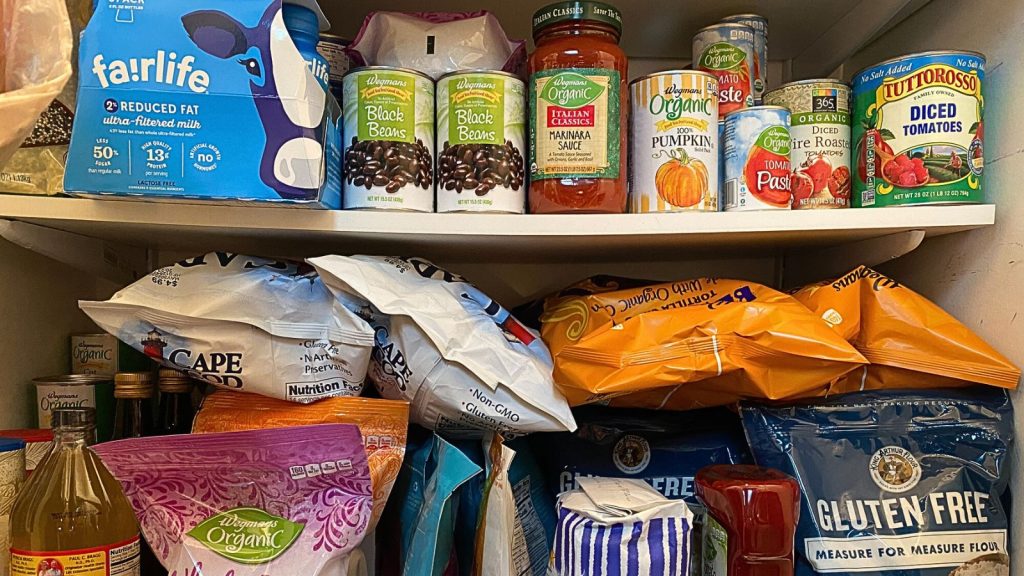
A well-prepared neighborhood benefits everyone. Encouraging your neighbors to stock up on essentials and have an emergency plan in place means they’ll be more self-sufficient when disaster strikes.
The more prepared they are, the less pressure there is on you to share all your resources. A community where everyone takes responsibility for their own preparedness is stronger, more resilient, and better equipped to handle whatever comes its way.
24 Foods to Stockpile Now with a Shelf Life of Up to 20 Years

Here are 24 essential foods with impressive shelf lives, perfect for building a stockpile you can count on for years.
24 Foods to Stockpile Now with a Shelf Life of Up to 20 Years
How to Start an Emergency Stockpile When You Can Barely Afford Groceries
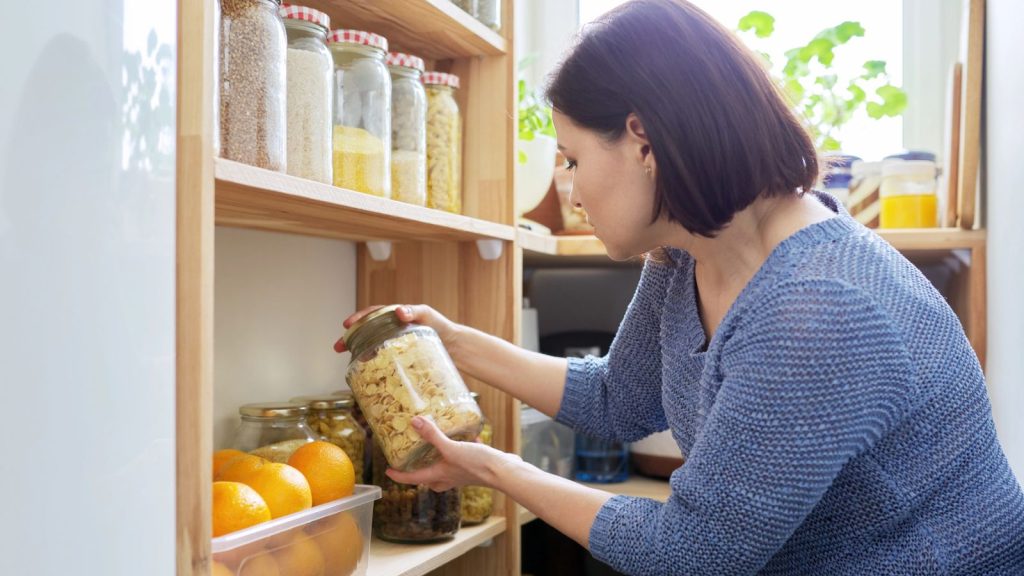
Creating an emergency stockpile on a tight budget is challenging but achievable. By prioritizing essentials, setting a budget, starting small, and using available resources wisely, you can gradually build a stockpile that provides security and peace of mind.
How to Start an Emergency Stockpile When You Can Barely Afford Groceries