Survival skills aren’t just for adults. If your family ever faces a serious emergency, everyone should know what to do, including the kids. Children don’t need to become expert survivalists, but learning a few basic skills can help them stay calm, make safer choices, and take care of themselves until an adult can help.
Think about a situation where you’re at work and your children are at school, or they’re away from home when a storm, power outage, or other emergency happens. You can’t always be there right away. Giving kids some basic survival knowledge can help them feel less helpless and more prepared.
Here are some practical skills worth teaching your children.
Fire Safety
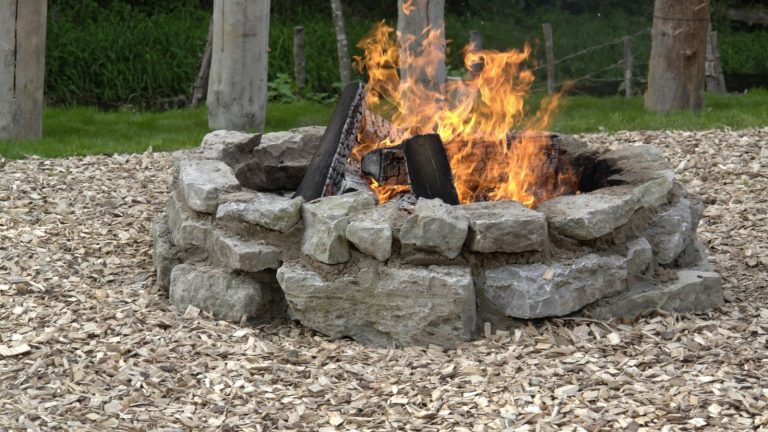
Kids should learn that fire is useful but can also become dangerous very quickly. Start with the basics: keeping a safe distance, knowing what can and can’t be burned, and understanding how to put out a small fire safely.
Older children can learn how fire-starting tools such as a magnesium fire starter work under close adult supervision. They can also practice gathering dry tinder and building a small, controlled fire with an adult present.
Knowing how to safely put out a fire is just as important as learning how to start one. Children should never be left to handle a fire on their own.
Related: 20 Survival Basics Everyone Should Practice Before an Emergency
How to Build a Shelter
A simple shelter can protect someone from rain, wind, sun, and cold if they become stranded outdoors. Kids can learn this skill during a supervised camping trip or backyard activity.
Show them how to use branches, leaves, tarps, or other available materials to create a basic shelter. The goal isn’t to build something elaborate. It’s to give them a place where they can stay dry and protected while waiting for help.
Finding Safe Drinking Water
Children should know that finding water is only part of the problem. Water from a stream, lake, or other outdoor source can contain harmful bacteria, parasites, or other contaminants.
Teach them how to identify possible water sources and explain why untreated water shouldn’t be consumed. Older kids can learn about boiling and using a proper water filter or purification method with adult supervision.
A homemade filter made from materials such as gravel, sand, and cloth can demonstrate how filtration works, but kids should know that this type of filter does not make contaminated water safe to drink by itself.
Related: 21 Survival Hobbies Worth Learning Before You Need Them
Basic First Aid
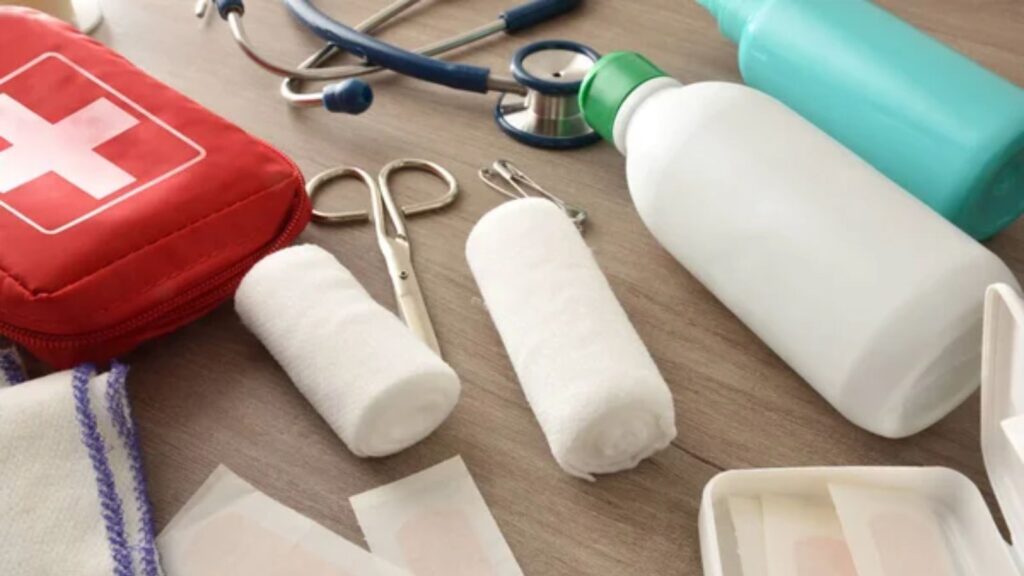
Kids don’t need to be trained like paramedics, but a few first-aid skills can be extremely useful. Start with simple tasks such as cleaning a minor cut, applying a bandage, treating a small burn, and knowing when to get an adult.
Older children can also learn how to call emergency services, describe what happened, and give clear information about where they are.
CPR and other lifesaving techniques should be taught through a proper course rather than learned from a quick demonstration. Giving kids hands-on instruction from a qualified instructor can make these skills easier to remember.
Navigating With a Map and Compass
Phones are useful, but they may not work during a power outage or in an area without a signal. Teaching kids how to read a basic map and use a compass gives them another way to figure out where they are.
Start with simple exercises. Show them how to identify north, read a map legend, follow a trail, and recognize familiar landmarks.
Kids should also learn that if they become lost, wandering around looking for their way home can make things worse. Staying in a safe location and making it easier for rescuers to find them is often the better choice.
Related: 15 Must-Watch Survival Movies for Outdoor Enthusiasts and Preppers
Basic Knot Tying
Knowing a handful of useful knots can come in handy during camping trips, outdoor emergencies, and everyday repairs.
Start with simple knots that children can practice with rope or
Make it a hands-on activity rather than a memorization exercise. Kids tend to pick up knots much faster when they can see what each one is actually used for.
Signaling for Help
If a child becomes lost or separated from the family, getting someone’s attention can be more useful than trying to find their way back alone.
Teach kids how to use a
They can also learn basic visual signals, such as waving a brightly colored piece of clothing or using a
Recognizing Edible Plants and Foods
Plant identification can be useful, but this is one survival skill that requires extra caution. Many edible plants have poisonous lookalikes, and guessing whether something is safe can have serious consequences.
If you want to teach kids about wild foods, start with plants that are easy to identify and study them with an experienced adult or qualified guide. Children should learn one simple rule: never eat a wild plant, berry, mushroom, or nut unless a knowledgeable adult has confirmed that it is safe.
The goal is to build good identification habits, not encourage kids to taste unfamiliar plants.
Related: 16 Natural Food Sources to Look for in a Survival Situation
Staying Dry
Getting wet in cold weather can quickly become a serious problem. Children should know why staying dry matters and what to do if their clothes become soaked.
Teach them to look for shelter from rain and wind and to change out of wet clothing when possible. Keeping an extra layer, rain jacket, or emergency blanket in a backpack can also make a big difference.
During outdoor activities, show kids how to protect their clothing and gear from rain before the weather turns bad.
Basic Animal Safety
Children should know that wild animals are best observed from a distance. Teach them never to approach, feed, chase, or try to touch unfamiliar animals.
They should also know what to do if they encounter wildlife. Staying calm, backing away slowly when appropriate, and following local wildlife safety guidance are safer choices than running toward or cornering an animal.
If you’re camping or hiking with kids, teach them to keep food secured and avoid leaving scraps around the campsite.
Understanding Weather
Kids can learn to recognize basic signs of changing weather and understand when it’s time to head indoors or seek shelter.
Teach them what severe thunderstorms, strong winds, flooding, and other dangerous weather can mean. They should know where to go during a tornado warning, why they should stay away from windows during severe storms, and why they should never seek shelter under a tree during a thunderstorm.
A simple weather radio or weather-alert app can also give families advance warning when conditions become dangerous.
How to Make a Basic Water Filter
Making a basic water filter can be a useful science and survival activity for older children. A simple setup using gravel, sand, and cloth can demonstrate how different materials remove visible particles from dirty water.
There is one important lesson to teach along with it: filtered water isn’t automatically safe to drink. A homemade filter can remove some sediment, but it may leave behind bacteria, viruses, parasites, or chemicals.
For drinking water during an emergency, children should know that water needs to be treated with a reliable method, such as boiling or an appropriate water purification system.
Teaching kids survival skills doesn’t mean putting them in dangerous situations. The best lessons are age-appropriate, supervised, and practiced before an emergency happens. A child who knows how to call for help, find a safe place, stay warm and dry, and follow basic safety rules is better prepared to handle an unexpected situation.