Prepping is really about being ready before you need to be. That can mean keeping extra food and water at home, learning useful skills, or having supplies that still work if the electricity goes out or you have to leave home quickly.
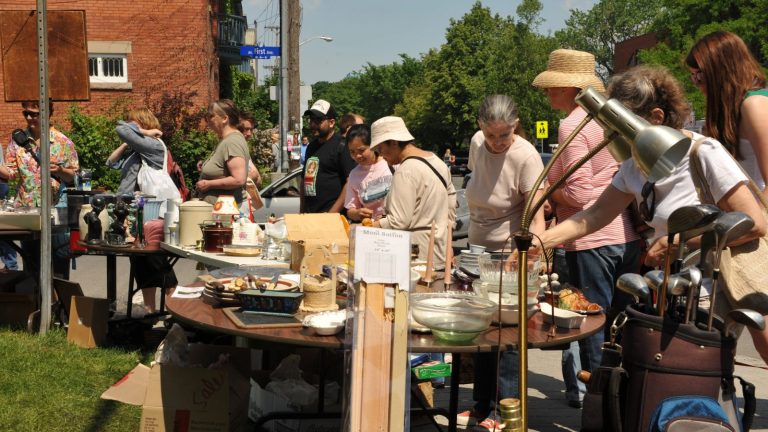
You don’t need to spend a fortune building an emergency stash. Flea markets can be surprisingly good places to find secondhand items that are sturdy, useful, and inexpensive. A little patience can turn someone else’s unwanted gear into something your household can actually use.
From cookware and tools to camping gear and warm blankets, here are 12 prepper items worth looking for at your local flea market.

Boots
A sturdy pair of boots can be useful during all kinds of emergencies, especially if you need to spend time outdoors, clear debris, or walk farther than usual.
Look for boots with solid soles, intact stitching, and materials that still have plenty of life left in them. Leather boots can be a good find, but check carefully for cracks, worn soles, broken eyelets, or water damage before buying.
Backpacks
A good backpack gives you a convenient way to carry food, water, first-aid supplies, clothing, and other emergency gear.
Flea markets often have hiking packs, school backpacks, military-style bags, and other options for a fraction of their original price. Check the seams, straps, buckles, and zippers before handing over your money. A bag can look great on the outside and still have weak stitching or damaged hardware.
Flashlights
A
Pick up several if you find good ones at a reasonable price. Check that the switches work and that the battery compartment isn’t corroded. Older flashlights may still work perfectly well, but it’s smart to test them before storing them with your emergency supplies.
Keep spare
Cast Iron Cookware
Cast iron cookware can last for decades, which makes secondhand pieces worth checking out at flea markets. A good
Look for cracks, major chips, or deep rust. Surface rust can usually be cleaned and treated, while damaged cookware may not be worth buying.
If you find a good piece, give it a proper cleaning and seasoning before using it.
Related: How to Season Cast Iron Pans
Camping Gear
Camping equipment can serve more than one purpose during an emergency. Tents can provide temporary shelter, sleeping bags can keep you warm, and camping stoves can give you a way to prepare food when your regular kitchen isn’t available.
Flea markets are often filled with used outdoor gear, so take your time inspecting each item. Check tents for holes, zippers for damage, and sleeping bags for tears or heavy wear. For stoves and other equipment that burns fuel, make sure you know the manufacturer’s safety requirements before using them.
Sturdy Clothing
A few good coats, flannel shirts, work pants,
Secondhand clothing can also be much cheaper than buying everything new. Look for sturdy fabrics, intact seams, working buttons and zippers, and clothing that fits properly.
A good fleece jacket or wool sweater can take up very little storage space while providing plenty of warmth.
Related: How to Upcycle a Flannel Shirt: Six Simple Sewing Projects
Thermos
A quality thermos can keep coffee, tea, soup, or water hot or cold for hours. That’s handy during a long power outage, camping trip, or day spent working outside.
Before buying one, check the lid and seal for damage. If possible, test it with hot water to see whether it still holds the temperature well. Stainless-steel models are especially useful because they tend to hold up well with regular use.
Blankets
Don’t pass up good blankets simply because they’re secondhand. Wool blankets, in particular, can be useful during cold weather and power outages.
They can also serve as extra bedding, padding, or temporary insulation. Check each blanket for moth damage, mildew, stains, and unpleasant odors before buying it.
A few clean, sturdy blankets can take up surprisingly little room in a closet or emergency storage bin.
Canning Materials
Flea markets can be a good place to find canning jars, storage containers, and other food-preservation supplies.
Glass jars are reusable, which makes them useful for storing dry goods and preserving food. Inspect jars carefully for chips, cracks, or other damage before using them for canning. If you’re pressure canning, use equipment that is in good working condition and follow current food-safety instructions.
Related: How to Start Canning at Home
Fabric
Old fabric may seem like an ordinary flea market find, but it can come in handy for all kinds of projects.
You can use it for clothing repairs, patches, reusable cleaning cloths, bags, blankets, or other household projects. Look for sturdy cotton, canvas, denim, wool, and other durable materials.
Fabric is also easy to store and takes up little room when folded.
Tools
Hand tools are some of the most useful secondhand items you can find. A good
Check each tool for cracks, loose handles, heavy rust, or damaged working parts. Older tools can be excellent finds if they’ve been cared for properly.
Having a basic collection of hand tools can make it much easier to handle small repairs during an outage or other disruption.
Manual Kitchen Tools
Kitchen gadgets that don’t require electricity can be especially handy during a long power outage.
Keep an eye out for
Give anything you buy a thorough cleaning before putting it to use. For older kitchen equipment, check for cracks, rust, loose parts, or materials that may no longer be considered food-safe.
A flea market isn’t guaranteed to have exactly what you’re looking for, but that’s part of the fun. Check different stalls, compare prices, and inspect items before buying them. With some patience, you can build a useful collection of emergency supplies without spending nearly as much as you would buying everything new.