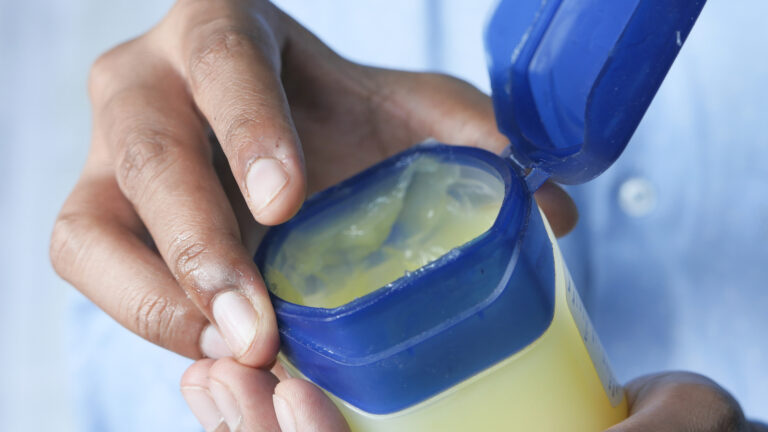
Many products we bring into our homes promise to clean better, smell fresher, or make everyday life more convenient. While many of these products are safe when used as directed, some contain ingredients that can irritate your skin, affect indoor air quality, or expose you to chemicals you may prefer to avoid.
The good news is that you don’t have to replace everything overnight. Learning which products deserve a closer look can help you make more informed choices over time. In many cases, there are simple alternatives that work just as well.
Here are 12 common household items that may contain unwanted chemicals and some safer options to consider.
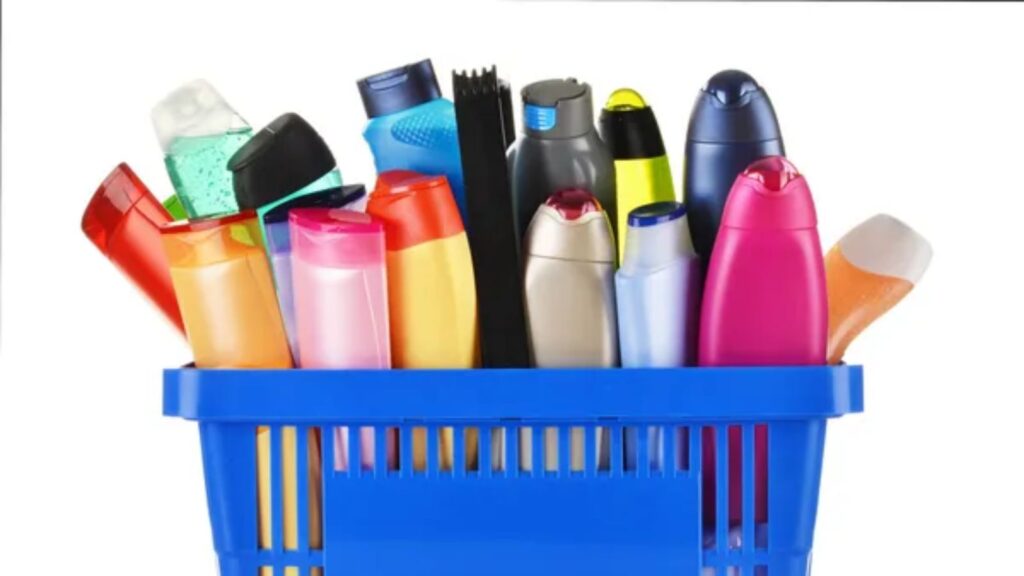
Household Cleaning Products
Many household cleaners contain volatile organic compounds (VOCs), bleach, ammonia, or other strong chemicals that can irritate the eyes, skin, or lungs. Mixing certain cleaners, such as bleach and ammonia, can also create dangerous gases.
Products to limit
- Bleach
- Ammonia-based cleaners
- Drain cleaners
- Heavy-duty oven cleaners
- Multi-purpose sprays with strong artificial fragrances
Better alternatives
- White vinegar
- Baking soda
- Castile soap
- Homemade all-purpose cleaners
- Cleaning products with third-party safety certifications
Personal Care Products
Shampoos, lotions, soaps, deodorants, and cosmetics often contain long ingredient lists. Some products include preservatives, synthetic fragrances, or other ingredients that people choose to avoid.
Ingredients some people prefer to limit
- Parabens
- Phthalates
- Sodium lauryl sulfate (SLS)
- Formaldehyde-releasing preservatives
- Artificial fragrances and dyes
Better alternatives
- Fragrance-free products
- Certified organic skincare and haircare
- Shea butter
- Coconut oil
- Homemade body scrubs and lip balms made with simple ingredients
Plastic Food Containers
Some older plastic containers may contain chemicals such as BPA or certain phthalates that can move into food, particularly when heated.
Single-use plastics also create unnecessary waste and often wear out quickly.
Products to replace
- Older BPA-containing bottles
- PVC plastic containers
- Single-use plastic bags
- Plastic straws
Better alternatives
- Glass food containers
- Stainless steel containers
- Reusable silicone storage bags
- Cloth shopping bags
Air Fresheners
Many air fresheners work by releasing fragrance into the air, but some products also release VOCs and other chemicals that may irritate sensitive individuals.
Products to limit
- Aerosol air fresheners
- Plug-in fragrance devices
- Artificially scented wax melts
- Paraffin candles with heavy fragrances
Better alternatives
- Essential oil diffusers
- Beeswax candles
- Soy candles
- Indoor plants
- Opening windows for fresh air whenever possible
Garden Chemicals
Many lawn and garden products contain pesticides, herbicides, and fertilizers that should always be handled carefully.
Improper use may affect beneficial insects, pets, wildlife, and nearby waterways.
Products to use carefully
- Chemical pesticides
- Synthetic fertilizers
- Herbicides containing glyphosate
- Toxic slug pellets
- Chlorine-heavy garden chemicals
Better alternatives
- Compost
- Organic fertilizers
- Neem oil
- Insecticidal soap
- Plants that attract pollinators and beneficial insects
Automotive Products
Many products used to maintain vehicles contain chemicals that require careful handling and disposal.
Some cannot be avoided entirely, but safer versions are available for certain products.
Products to replace where possible
- Artificially scented car air fresheners
- Harsh tire cleaners
- Synthetic car waxes
- Products containing ethylene glycol when safer versions are available
Better alternatives
- Biodegradable car wash soap
- Essential oil car fresheners
- Plant-based car wax
- Pet-safe antifreeze products
Paints and Solvents
Traditional paints, paint removers, and solvents often release VOCs while drying. Strong fumes may linger indoors for days, especially in poorly ventilated areas.
Products to limit
- Oil-based paints
- High-VOC paints
- Solvents containing toluene or xylene
- Industrial paint removers
- Lead-based paint in older homes
Better alternatives
- Water-based paints
- Low-VOC paints
- No-VOC paints
- Natural paint strippers
- Plant-based wood finishes
Household Products
Several common household products contain ingredients that many people overlook.
Products to replace
- Mothballs containing naphthalene or paradichlorobenzene
- Conventional fabric softeners
- Dryer sheets with strong fragrances
Better alternatives
- Cedar blocks or
lavender sachets - Wool dryer balls
- Fragrance-free laundry products
Laundry Detergent
Laundry detergent stays in close contact with clothing, bedding, and towels.
Some brands contain artificial fragrances and dyes that may bother people with sensitive skin.
Better alternatives
- Unscented detergents
- Plant-based laundry detergents
- Homemade laundry detergent recipes using simple ingredients
Kitchen Tools
Many kitchen tools come into direct contact with food, making the materials they are made from worth considering.
Products to replace
- Older plastic cooking utensils
- Harsh dish soaps
- Plastic cutting boards that are badly worn
Better alternatives
- Wooden utensils
- Bamboo cooking tools
- Stainless steel utensils
- Gentle, plant-based dish soaps
Nonstick Cookware
Nonstick pans make cooking easier, but older or damaged cookware deserves a closer look.
Scratched or peeling nonstick coatings should be replaced, as worn surfaces no longer perform well and may release particles into food.
Better alternatives
- Cast iron cookware
- Stainless steel cookware
- Carbon steel pans
- Ceramic-coated cookware in good condition
Art and Hobby Supplies
Craft supplies can contain strong chemicals, particularly products intended for industrial or professional use.
Good ventilation is always important when working with paints, glues, or spray products.
Products to use carefully
- Oil paints containing lead or cadmium
- Solvent-based markers
- Strong adhesives
- Aerosol spray paints
- Solvent-based paints
Better alternatives
- Water-based paints
- Non-toxic craft supplies
- Plant-based glues
- Low-odor art materials
Making your home healthier doesn’t require replacing every product at once. Start by using up what you already have safely, then switch to lower-toxicity alternatives as you replace household items. Over time, those small changes can reduce unnecessary chemical exposure while creating a home that’s easier on both your family and the environment.