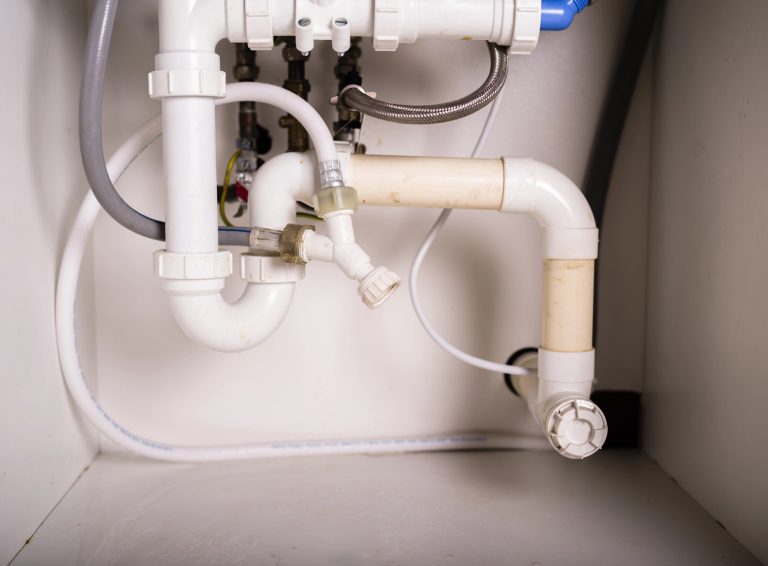
Your home protects you from the weather and gives you a place to relax, but it needs regular care to stay safe and comfortable. A small crack, strange smell, or minor leak may seem harmless at first, yet some problems can get worse if left unchecked.
Knowing what to look for can help you catch trouble early and avoid expensive repairs later. Here are 14 warning signs that something in your home may need attention.
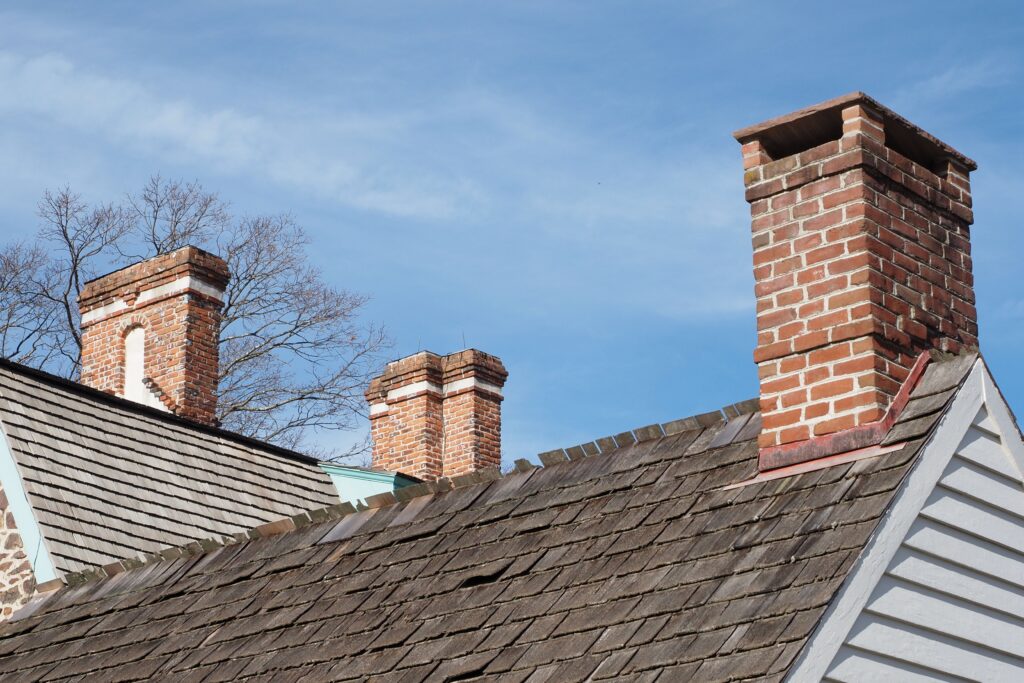
Cracks in the Chimney
Cracks in a chimney can let water seep into the masonry, leading to more damage as moisture works its way inside. Check for growing cracks, loose bricks, or crumbling mortar, and have a professional inspect any damage before it worsens.
Related Article: 13 Home Repairs You Should Never Do Yourself
Water Stains on Walls or Ceilings
Brown spots, peeling paint, or discolored patches on a wall or ceiling can point to a leak from the roof, plumbing, or another source. Find and fix the source of the moisture rather than painting over the stain, since trapped water can lead to mold and damage building materials.
Related: 17 Signs Your Tomato Plant is Screaming for Help
Higher Energy Bills
A sudden rise in heating or cooling costs without a change in usage may mean your home is losing conditioned air. Check window seals, door weatherstripping, insulation, and HVAC filters to see whether any of these could be making your system work harder.
Related: 10 Quirky Chicken Coop Signs Your Flock Will Love
Flickering Lights
Lights that flicker repeatedly may point to loose wiring, overloaded circuits, or another electrical problem. Have a qualified electrician check the issue, especially if you notice warm outlets, frequently tripped breakers, buzzing sounds, or a burning smell.
Related: 10 Subtle Signs It’s Time to Declutter Your Home
A Damp Basement or Crawl Space
Persistent dampness in a basement or crawl space can encourage mold growth, attract pests, and damage wood or other building materials. Look for standing water, wet insulation, musty odors, and moisture near the foundation, then investigate the source before the damage spreads.
Doors and Windows That Stick
Doors and windows that suddenly become difficult to open or close may indicate changes in the frames or movement in the foundation. If several doors or windows develop the same problem, particularly alongside new cracks, arrange a professional inspection to find out what’s happening.
Strange Smells
Unusual odors that keep returning may come from plumbing problems, moisture, heating equipment, or electrical components. If you smell gas, leave the house and contact your gas utility or emergency services from outside, and treat persistent burning smells as an urgent safety concern.
Bubbling or Peeling Paint
Paint that bubbles, peels, or cracks may indicate moisture trapped behind the surface, though poor preparation and other issues can also cause it. Check the wall for dampness or other damage before repainting, since a fresh coat won’t fix the underlying problem.
Cracks in the Ceiling
Small ceiling cracks can develop as a house settles, but growing cracks or those accompanied by stains may point to moisture damage or structural concerns. Have a professional check cracks that widen, return after repairs, or appear alongside sagging or other changes.
Dark Spots Around Air Vents
Dark marks around air vents may come from dust buildup, condensation, or mold growing near damp surfaces. Clean the vent grille and seek an HVAC inspection if the marks return, moisture is present, or a musty odor continues.
Low Water Pressure
A sudden drop in water pressure may be caused by a clogged faucet aerator, a plumbing leak, or a problem with the water supply. Check whether the issue affects one fixture or the whole house, and investigate any leaks or other changes before they cause more trouble.
Musty Odors
A persistent musty smell often points to moisture in places such as basements, crawl spaces, closets, or areas with poor ventilation. Look for damp materials, condensation, and visible mold, and fix the moisture source rather than relying on air fresheners to cover the odor.
Visible Roof Damage
Missing shingles, cracked roofing materials, and damaged flashing can allow rainwater to enter your home. Check the roof from the ground when possible and arrange repairs for visible damage before water reaches ceilings, insulation, or walls.
Sloping Floors
Floors that feel uneven or develop a new slope may point to problems with floor joists, moisture damage, or the foundation. If the change is new or getting worse, especially alongside cracks or sticking doors, arrange a professional inspection to find the cause.
A single warning sign doesn’t always mean your home is falling apart, but changes that persist or grow deserve a closer look. Regular checks and timely repairs can help keep minor issues from turning into costly projects.