Tomatoes may not actually be able to scream. But, oftentimes, they do show clear signs when something’s wrong. Their leaves, stems, and fruit send out clear distress signals. Learning to spot these signs early can make all the difference with your harvest. Here are 17 practical signs that your tomato plant needs your attention.
1. Yellowing Leaves at the Bottom
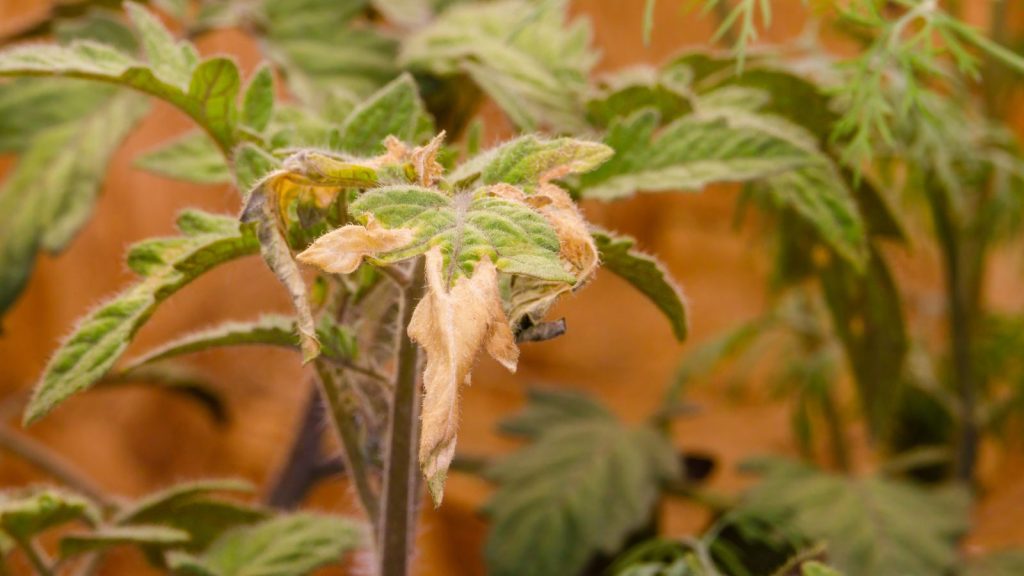
One of the first distress signs to watch for is yellowing leaves. Yellowing can sometimes occur naturally as the plant matures. However, if it starts at the bottom and spreads upward, it’s time to act. This often means your tomato is either getting too much or too little water. It could also mean there’s a nitrogen deficiency in the soil.
Tomatoes prefer consistent moisture, so check the soil with your finger before watering. If the soil is dry an inch down, it’s time to water; if it’s soggy, reduce the water. Also, make sure the soil drains well and consider feeding with a balanced fertilizer that includes nitrogen.
2. Wilting Despite Moist Soil

Wilting can happen from underwatering, but it can also be a sign of root problems or disease. If you water and the plant perks up, then there’s nothing to worry about.
But if the soil remains moist and your plant is wilting, gently dig around the roots to check for rot or pests. Healthy roots are white and firm, while brown, mushy roots mean trouble. Remove affected plants and avoid planting tomatoes in the same spot next year.
3. Curled or Rolled Leaves

Leaf curl can be caused by several factors. Some of them include excess heat, inconsistent watering, or herbicide drift. If the leaves curl upward and look leathery but the plant is still growing, it’s usually stress-related and not deadly. Just water your plants consistently, provide afternoon shade, and avoid spraying herbicides nearby.
However, if growth stalls, flowers drop, or the leaves turn yellow or brown, then this can be a sign of more complex problems that need serious attention.
4. Brown or Black Spots on Leaves
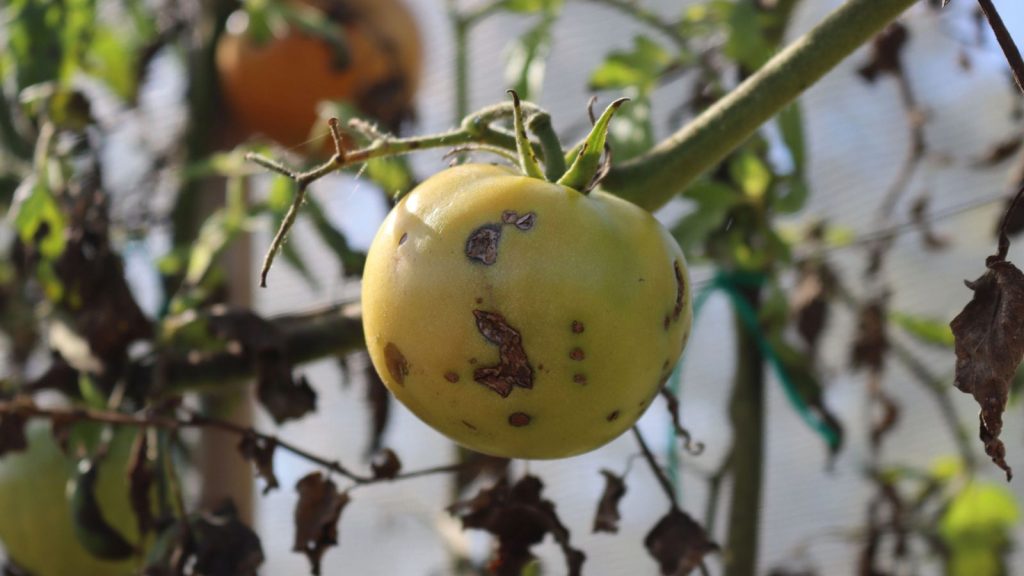
Dark spots, especially with a yellow halo, are often signs of fungal diseases such as early blight or septoria leaf spot. These tomato diseases thrive in wet, humid conditions; therefore, the best treatment is to prevent the conditions that encourage their growth. Space out the plants to improve airflow. Water the base of the plant in the morning so the leaves dry quickly.
However, if your tomato plants become infected, remove the infected parts immediately to minimize the risk of further spread. If the problem persists, apply an organic fungicide.
5. White Powder on Leaves

If you notice white powdery patches on the leaves, your tomato plant may have powdery mildew. This fungus loves warm, humid conditions. Prune away affected leaves and increase air circulation by spacing plants properly (about two to three feet apart is ideal). You can also apply
6. Blossom End Rot

Blossom end rot shows up as a dark, sunken spot on the bottom of the fruit. It’s usually caused by a calcium deficiency. It can worsen due to irregular watering.
Use a balanced tomato fertilizer and maintain even soil moisture. If your soil is very acidic, adding a little
7. Fruit Cracking or Splitting

Tomato cracking sometimes happens when there’s a sudden availability of water after a dry spell. The water causes the inside of the tomato to swell faster than the skin can stretch, resulting in it splitting.
To prevent this, mulch your plants and water them consistently, especially when the soil is dry. Also, harvest tomatoes as soon as they ripen to reduce the risk of splitting.
8. Stunted Growth

A tomato that stays small and doesn’t seem to develop could be struggling with compacted soil, nutrient deficiency, or root knot nematodes. Tomatoes are heavy feeders, so mix compost or well-rotted manure into the soil before planting.
If your plant seems like it’s not growing, a side-dressing of balanced fertilizer can give it a boost. Make sure your container or garden bed is deep enough for roots to spread (at least 12 inches is best). If the roots are knotted and stubby, you may need to remove the plant and solarize the soil before next season.
9. Holes in Leaves or Fruit

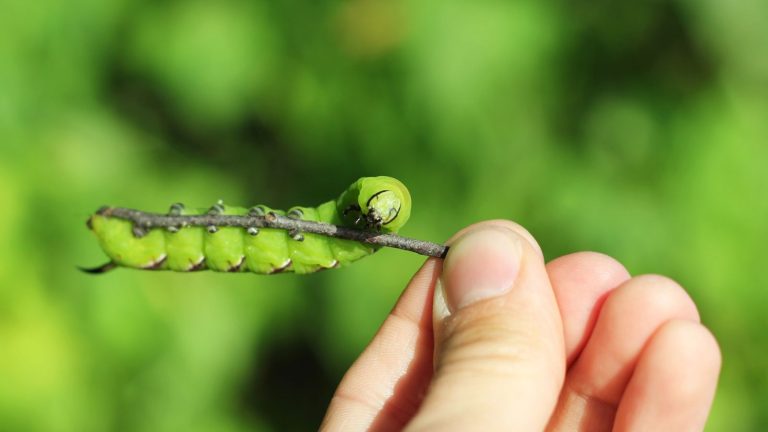
Chewed-up leaves or holes in your tomatoes are typically signs of pests such as tomato hornworms, slugs, or flea beetles. Regularly check under the leaves and along the stems for signs of insect activity. If you do find them, handpick large pests or use an organic insecticide like BT (Bacillus thuringiensis) for caterpillars.
10. Sticky Residue and Ant Trails

Sticky residue on leaves, sometimes accompanied by ants, usually means aphids are feeding on your plant. Aphids suck sap and can quickly weaken tomatoes. They also leave behind honeydew (the sticky residue) that attracts ants.
Spray them off with a strong jet of water, or use
11. Sudden Leaf Drop
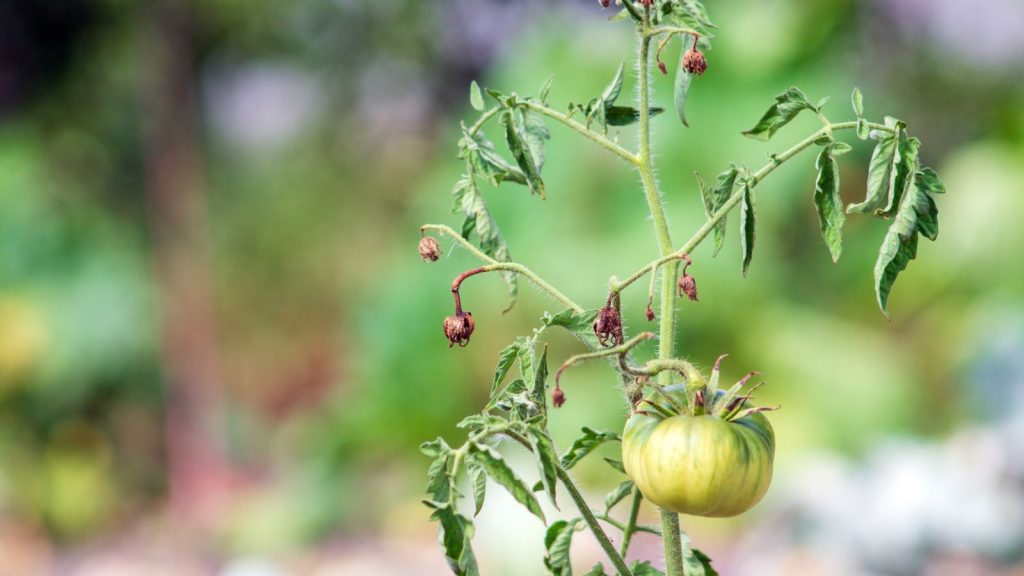
If your tomato drops a large number of leaves at once, it may be under extreme stress, likely due to heat stress, underwatering, or transplant shock. Provide it with some shade during intense heat and ensure the soil remains evenly moist. Also, harden off the seedlings and avoid fertilizing right after transplanting.
12. Mold and Mildew at the Base
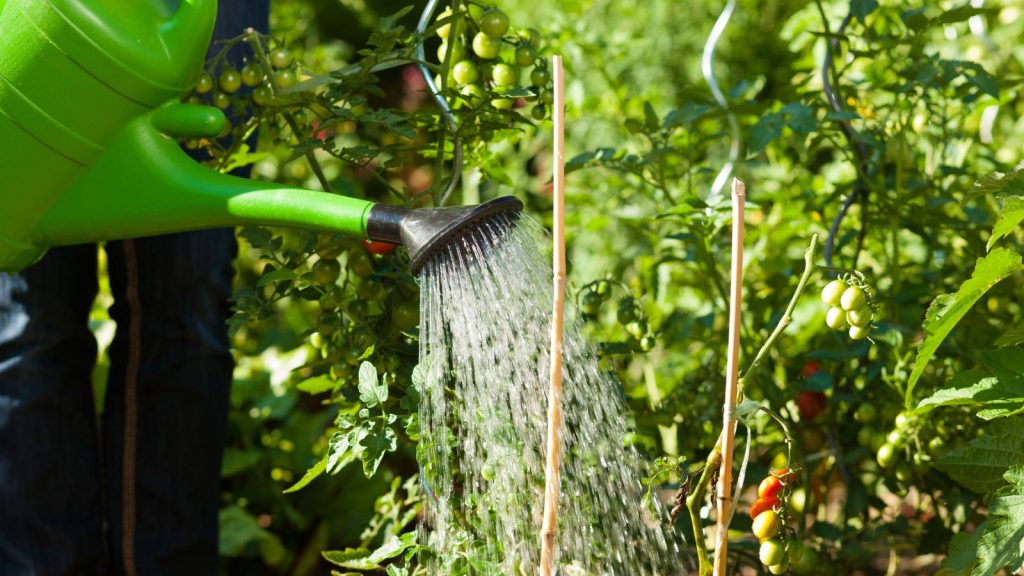
If the soil around your tomato is always damp and starting to smell, you may be overwatering. Overwatering can lead to mold at the base, which may also lead to stem rot. Let the soil dry out slightly between waterings and add mulch to help regulate moisture better.
13. No Flowers or Poor Flower Set

If your tomato plant is growing lots of leaves but producing few flowers or fruit, it may be getting too much nitrogen. Nitrogen encourages leafy growth at the expense of fruit. Switch to a fertilizer labeled for tomatoes, which has less nitrogen and more phosphorus and potassium. Always follow package directions to avoid overfeeding.
14. Flowers Drop Before Fruiting

If your tomato flowers are dropping off without setting fruit, your plants are experiencing blossom drop. It’s often due to extreme temperature (either too hot or too cold), stress, and a lack of pollination.
Tomatoes set fruit best at night between 55 and 75 degrees. If you’re in a region with significant temperature swings, consider planting varieties adapted to your zone, and use row covers to protect against chilly nights.
You can help pollination along by using a small brush to disperse pollen, and also by watering consistently so the flowers can fully develop.
15. Sunscald

Sunscald appears as pale, leathery patches on the fruit, usually on the side facing the sun. This usually happens after heavy pruning that suddenly leaves the tomato fruits exposed. To prevent it, avoid removing too many leaves at once. If you must prune, do it gradually, and consider using shade cloth during the hottest part of the day.
16. Green Shoulders That Won’t Ripen

Sometimes, tomatoes will remain green at the top, close to the stem end, while the rest of the fruit ripens. This is usually due to excessive sun or a nutrient imbalance (such as low potassium), and large-fruited, non-hybrid tomatoes are particularly susceptible. Provide some shade during intense midday heat and make sure your fertilizer includes adequate potassium.
17. Purple-Tinted Leaves
If your plant’s leaves are turning purple, it may be lacking phosphorus. Purpling is quite common in young plants and is more noticeable early in the season. It can be due to cold soil or low phosphorus availability.
A balanced fertilizer with phosphorus can help, and as the soil warms, the problem often resolves itself. Make sure your tomatoes are planted after the last frost and in full sun for at least six hours a day.
I’ve Grown Tomatoes for Years —These Are the Tips That Actually Work
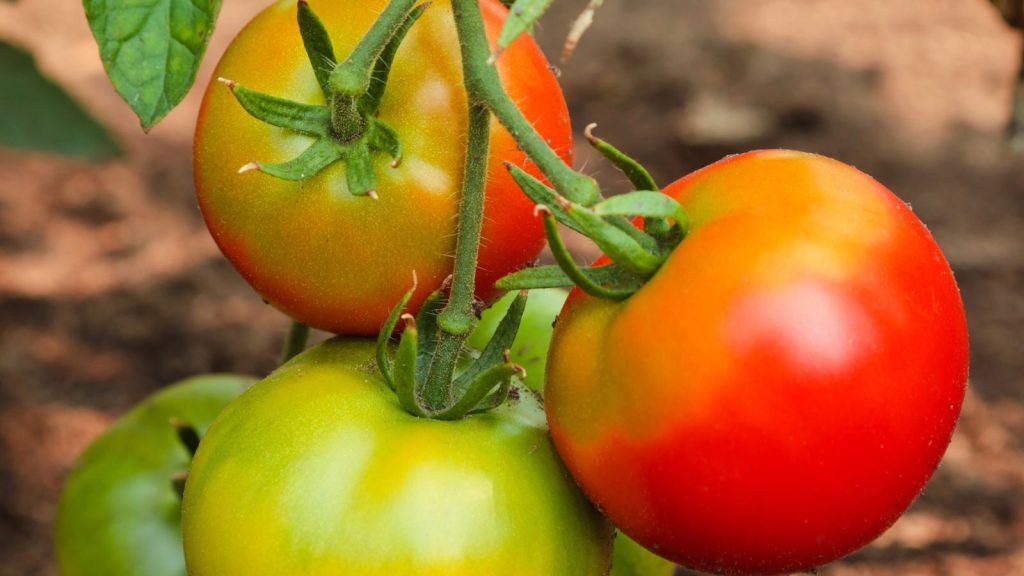
If you’re tired of trial and error and need advice that actually yields results, here are 18 tips that’ll help you grow the best tomatoes of your life.
I’ve Grown Tomatoes for Years —These Are the Tips That Actually Work
Grow Juicier, Tastier Tomatoes with These 15 Companion Plants

Companion planting is an age-old gardening method that can help prevent common plant issues and boost crop yields. By using some of the best companion plants for tomatoes, your harvests will be better than ever. Here are the 15 best companion plants for your tomato garden.
Grow Juicier, Tastier Tomatoes with These 15 Companion Plants
How to Support Tomatoes: Tomato Stakes vs. Tomato Cages
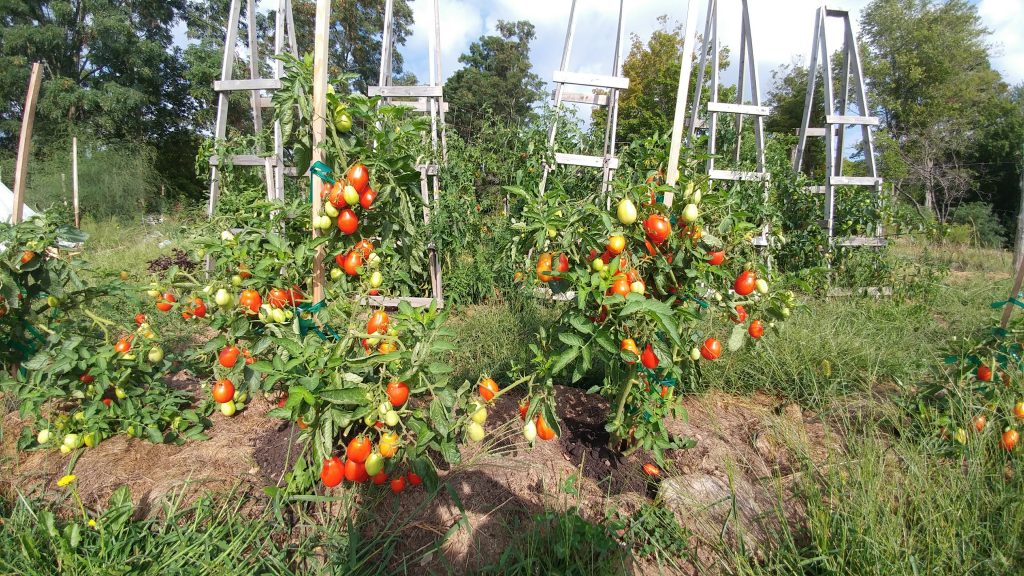
Supporting garden tomatoes with tomato stakes or cages is necessary for all but a few varieties of tomatoes. Without some form of support, your tomato plant will sprawl out over the ground. Here, we’ll share some considerations to help you make a choice that will work for your garden.
How to Support Tomatoes: Tomato Stakes vs. Tomato Cages
How to Properly Prune Tomato Plants

If you’re dealing with tomato plants that often get diseased, tend to droop, or look unhealthy, pruning should be on your gardening checklist. Here’s how you can properly prune your tomato plants.