Blossom end rot is one of the more frustrating issues gardeners face, often showing up just as tomatoes begin to ripen. By the time those sunken, dark spots appear at the blossom end of the fruit, the damage is already done.
This common physiological disorder affects fruiting crops like tomatoes. It starts as a small, water-soaked spot and quickly expands, ruining the fruit.
Whether you’re already seeing signs of blossom end rot or want to stop it before it starts, here are some practical tips to help protect your harvest.
What is blossom end rot?

Blossom end rot is a physiological disorder that affects fruiting vegetable crops, particularly tomatoes. It appears as a dark, sunken lesion at the blossom end (opposite the stem) of the fruit. These lesions are small to start with but can develop quickly and render the crop inedible.
Related: 16 Common Tomato Plant Diseases That Can Wreak Havoc On Your Crop
What causes blossom end rot?

The primary cause of blossom end rot is a calcium deficiency in developing fruits. Many gardeners mistakenly believe that this is due to low calcium levels in the soil, but the actual issue is the plant’s inability to absorb calcium because of fluctuations in soil moisture levels.
Rapid plant growth, drought stress, high levels of salts in the soil, and acidic soil conditions can exacerbate this problem.
Blossom end rot initially appears as a small, moist spot at the blossom end of the fruit, where the flower once attached. As it progresses, the spot enlarges and turns dark brown or black, and the affected area becomes sunken, taking on a leathery texture. Here’s how to best prevent blossom end rot.
Maintain consistent soil moisture

Inconsistent watering is one of the biggest causes of blossom end rot. When the soil dries out, plant roots can’t access calcium properly—even if it’s present in the soil. Using organic mulch helps retain moisture, especially during hot, dry spells.
Watering deeply and evenly at the base of the plant (not on the leaves) also makes a big difference. Aim for about an inch of water per week using a soaker hose, which keeps things consistent without overdoing it.
Related: How to Water Your Garden The Right Way
Watch Your Fertilizer and Nutrient Levels

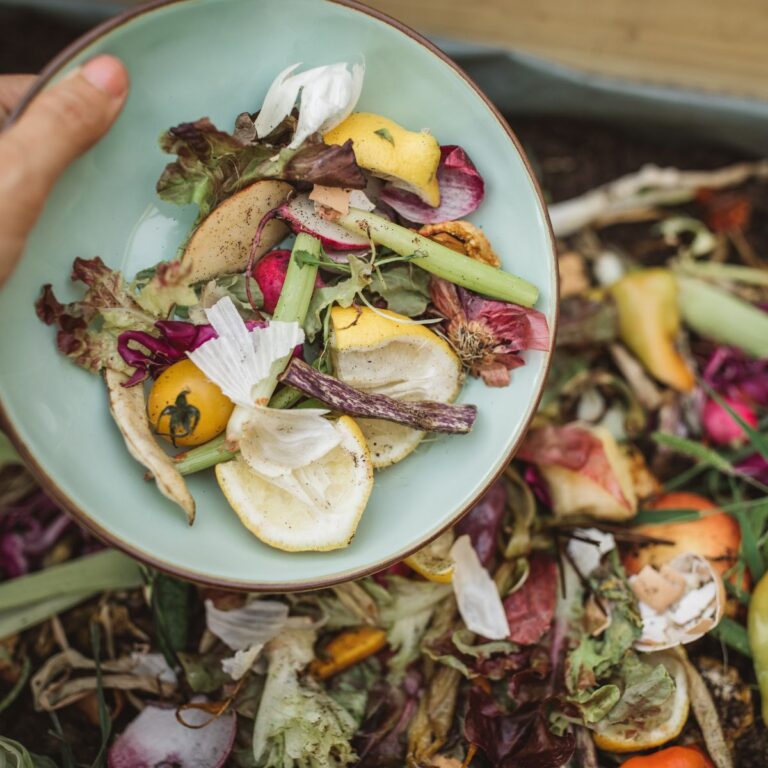
Even though most soil contains enough calcium, other nutrient imbalances can block your plants from using it. Too much nitrogen can interfere with calcium uptake. Use a balanced fertilizer and add compost at the start of every season. If you’re seeing repeated blossom end rot, a soil test is worth doing—you may need to add lime or gypsum, or adjust your soil’s pH to stay between 6.5 and 7.0.
Space Plants and Avoid Root Disturbance
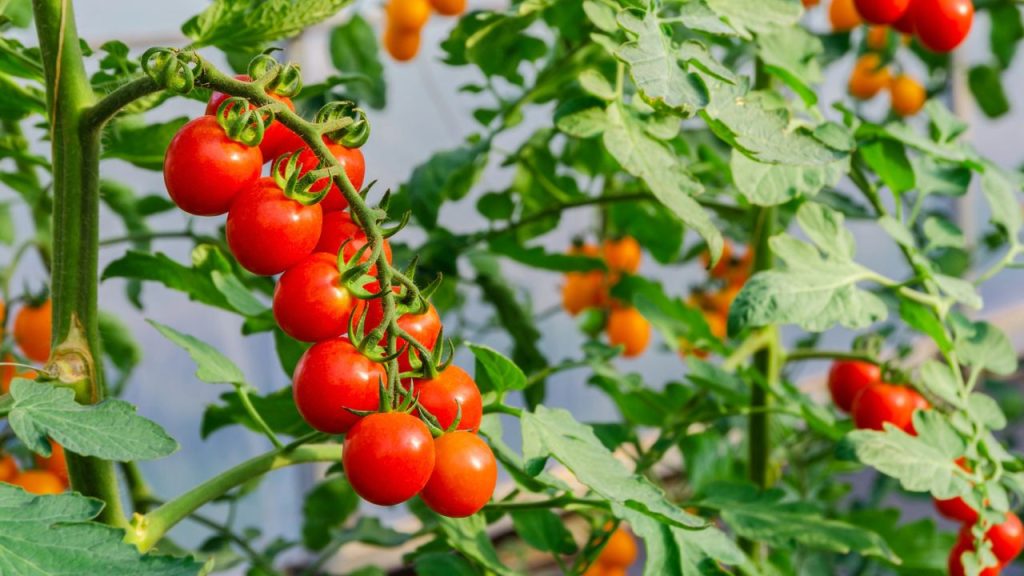
How and where you plant tomatoes can play a big role in preventing blossom end rot. Give each plant enough space to avoid competition for water and nutrients, and support heavy fruiting branches to reduce stress.
It’s also important not to dig around the base of established plants—damaging roots can lead to calcium deficiencies. Good crop rotation and choosing resistant varieties have also helped reduce the issue in my garden over time.
Choose the Right Tomato Varieties
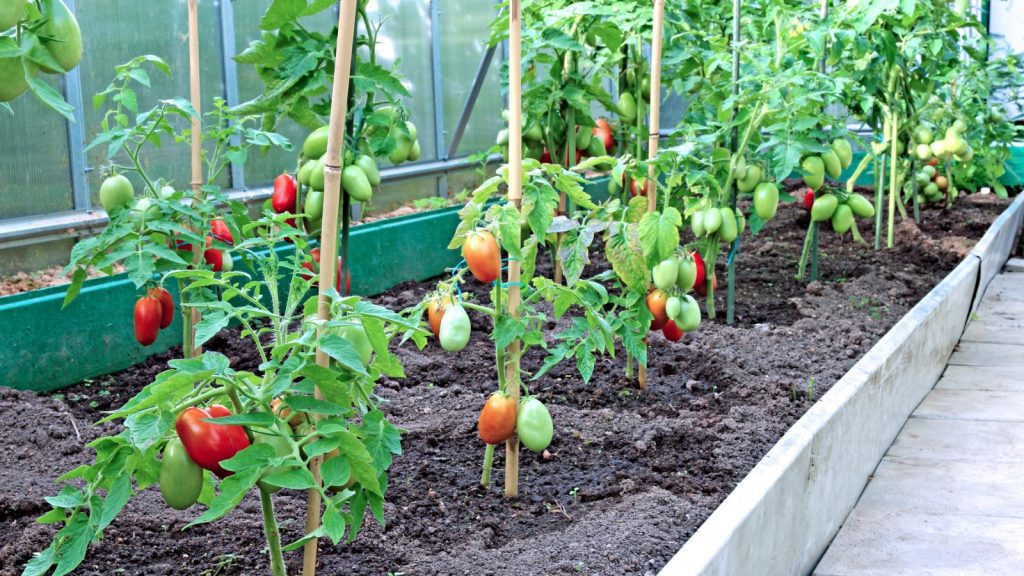
Some tomato varieties are naturally more susceptible to blossom end rot. Selecting resistant or tolerant varieties can reduce the likelihood of this issue—especially in gardens with a history of calcium-related problems. Look for varieties like ‘Mountain Fresh,’ ‘Celebrity,’ or ‘Juliet’ that are bred for improved resistance.
Reduce Transplant Shock

Transplant shock can interfere with early root development and nutrient absorption, increasing the risk of blossom end rot. To minimize stress, seedlings should be hardened off properly before planting and moved to the garden on a cool or cloudy day. Gentle handling and deep watering after transplanting can also help young plants adjust more smoothly.
I’ve Grown Tomatoes for Years —These Are the Tips That Actually Work
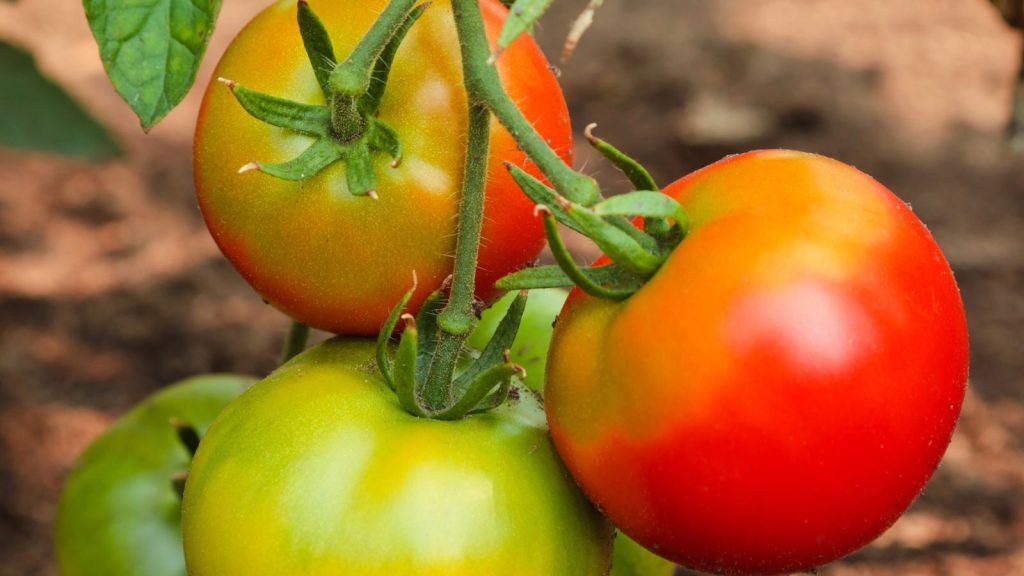
If you’re tired of trial and error and need advice that actually yields results, here are 18 tips that’ll help you grow the best tomatoes of your life.
I’ve Grown Tomatoes for Years —These Are the Tips That Actually Work
Grow Juicier, Tastier Tomatoes with These 15 Companion Plants

Companion planting is an age-old gardening method that can help prevent common plant issues and boost crop yields. By using some of the best companion plants for tomatoes, your harvests will be better than ever. Here are the 15 best companion plants for your tomato garden.
Grow Juicier, Tastier Tomatoes with These 15 Companion Plants
How to Support Tomatoes: Tomato Stakes vs. Tomato Cages
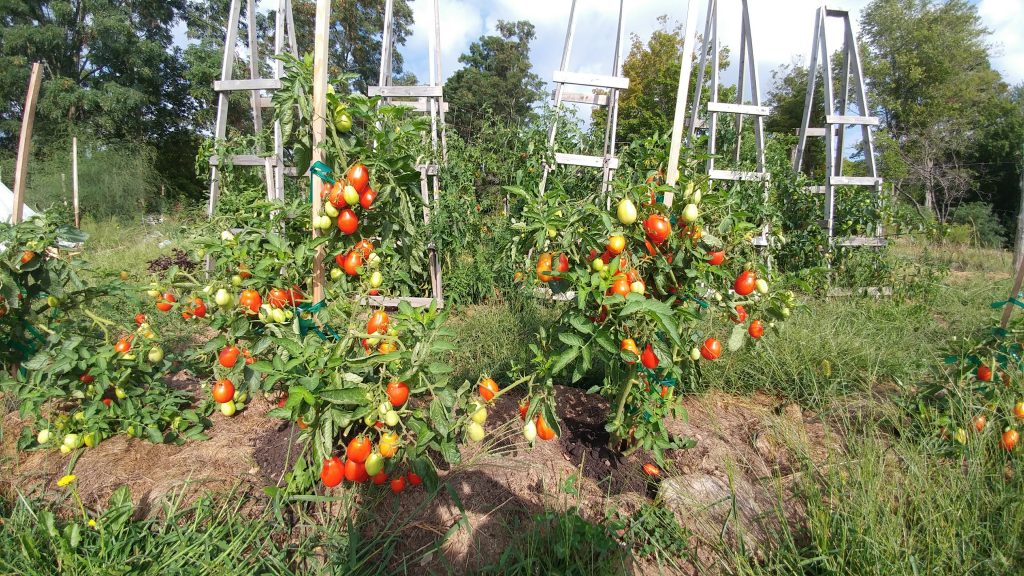
Supporting garden tomatoes with tomato stakes or cages is necessary for all but a few varieties of tomatoes. Without some form of support, your tomato plant will sprawl out over the ground. Here, we’ll share some considerations to help you make a choice that will work for your garden.
How to Support Tomatoes: Tomato Stakes vs. Tomato Cages
How to Properly Prune Tomato Plants

If you’re dealing with tomato plants that often get diseased, tend to droop, or look unhealthy, pruning should be on your gardening checklist. Here’s how you can properly prune your tomato plants.