
When you’re out in the wilderness, modern conveniences can disappear in an instant. A dead phone, no power, or getting lost can leave you relying on one thing above all else: your own skills. Even if you never plan to spend days in the backcountry, learning a few basic survival techniques can help you stay safe during emergencies, natural disasters, or unexpected situations.
These 15 wilderness survival skills can help you stay prepared, protect yourself, and make smarter decisions when you’re far from help.
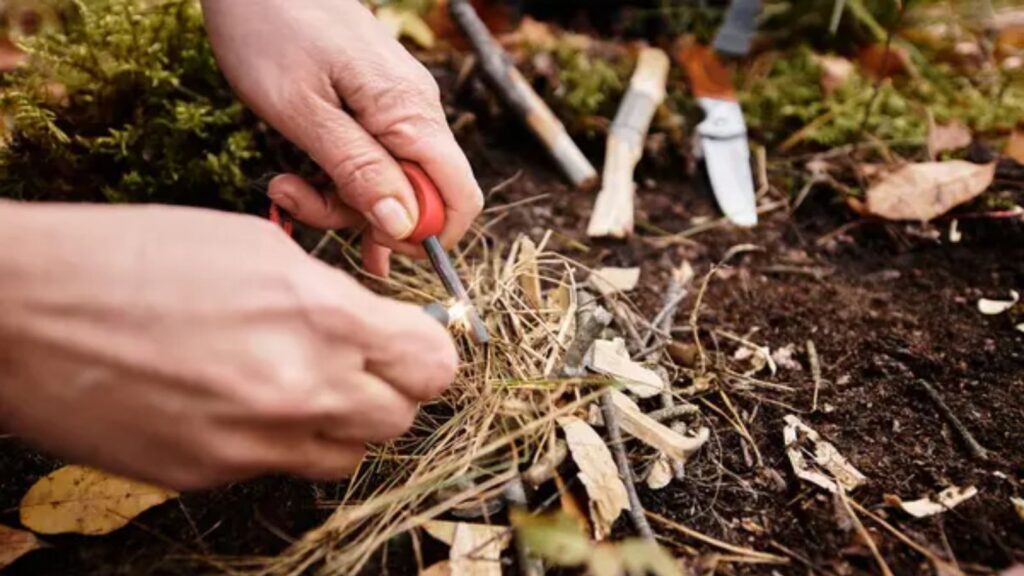
Fire Starting
A fire provides warmth, cooks food, boils water, and can signal rescuers. It also helps keep many wild animals and biting insects at a distance.
Practice starting a fire with matches, a lighter, ferro rod, or traditional methods such as a bow drill or hand drill. Knowing more than one technique gives you options if your primary method fails.
Related: 14 Unique Survival Hacks That Break All The Rules
Water Procurement and Purification
Clean drinking water is one of your highest priorities in any survival situation. Learn where to find natural water sources, including streams, springs, rainwater, or underground moisture.
Water should be treated before drinking whenever possible. Boiling, portable filters, and
Shelter Building
Exposure to heat, cold, wind, or rain can quickly become dangerous. A simple shelter made from branches, leaves, logs, snow, or a tarp can protect you from the elements and help conserve body heat.
Choosing the right location matters just as much as building the shelter. Stay away from flood-prone areas, unstable trees, loose rocks, and exposed ridges where weather conditions can change quickly.
Related: 20 Everyday Survival Skills That Become Valuable During Food Shortages
Basic First Aid
Minor injuries can become major problems if left untreated. Learn how to clean cuts, stop bleeding, treat burns, stabilize sprains, and recognize signs of hypothermia or heat exhaustion.
A
Navigation
Maps, compasses, and GPS devices are helpful, but
Paying attention to terrain and marking your route can help prevent you from becoming lost in the first place.
Related: 15 Survival Tricks Using Baking Soda That Are Surprisingly Useful
Signaling for Help
If you’re stranded, making yourself easy to find can speed up a rescue. Fires, whistles, signal mirrors, brightly colored clothing, and large ground markings can all attract attention.
Leave clear signs of your direction of travel whenever possible so search teams have a better chance of locating you.
Tracking and Hunting
Knowing how to recognize animal tracks, droppings, feeding areas, and travel routes can help you locate food and avoid dangerous wildlife.
Basic fishing, trapping, or hunting skills may provide food if you’re stranded for an extended period. It’s also helpful to know which animals live in the area before heading into the outdoors.
Related: 13 Survival Skills Most People Never Learn but Probably Should
Foraging for Food
Many wild plants, berries, nuts, mushrooms, and even insects are edible, while others can make you seriously ill.
Learn the edible species found where you live before you need them. Carrying a reliable field guide in your emergency pack is a smart backup, especially if you’re still learning.
Knots and Ropes
A few reliable knots can make survival tasks much easier. Knots such as the bowline, clove hitch, and square knot are useful for building shelters, securing gear, hanging food, or making simple traps.
Practicing these knots ahead of time makes them much easier to tie under pressure.
Related: 17 Essentials Things You Need to Survive in the Wild
Waterproofing and Drying Gear
Wet clothing and equipment can quickly become dangerous, especially in cold weather. Keep gear protected with waterproof bags or covers whenever possible.
If everything gets soaked, knowing how to dry clothing, boots, and sleeping gear can make a big difference in staying warm and comfortable.
Cold Weather Survival
Cold temperatures can become life-threatening faster than many people realize. Dress in layers, stay dry, and protect yourself from wind whenever possible.
Learning how to build snow shelters, manage body heat, and recognize early signs of hypothermia can prevent a dangerous situation from becoming much worse.
Animal Safety
Wild animals usually avoid people, but encounters do happen. Learn how to react around bears, snakes, wolves, mountain lions, and other wildlife common to your area.
Many situations can be handled by making noise, keeping your distance, or using deterrents instead of trying to harm the animal.
Mental Toughness
Staying calm often matters just as much as knowing survival techniques. Panic can lead to poor decisions that make a difficult situation worse.
Simple breathing exercises, focusing on one task at a time, and keeping a positive mindset can help you stay clear-headed until help arrives or conditions improve.
Situational Awareness
Pay attention to what’s happening around you at all times. Watch for changing weather, shifting terrain, wildlife activity, rising water levels, and other hazards before they become emergencies.
Many accidents happen because people become distracted or fail to notice warning signs around them.
Improvising Tools and Weapons
You may not always have the equipment you packed. Learning how to make simple tools from natural materials can help you solve unexpected problems.
A sharpened branch can become a spear, a sturdy stick can serve as a walking staff, and a flat rock can function as a cutting or scraping tool. Creative problem-solving often becomes one of your most valuable survival skills.