Surviving in the wild can be a thrilling adventure, depending on how prepared you are. You might be in the great outdoors for fun or because you’re unexpectedly stranded.
No matter the situation, there are some basic things you need to ensure your survival. If you can put those things together now, you’re giving yourself a real shot at surviving. Put these things together now and keep them in your car, at home, or even on your desk at work, just in case.
1. Food Supplies
High-energy, non-perishable food like protein bars, nuts, and dehydrated meals can sustain you until you find fresh food. A few packs of freeze-dried meals weigh next to nothing but can provide needed calories.
2. Fire-Starting Tools

Fire is heat, light, and a way to cook food and purify water. Pack waterproof matches, a lighter, or a magnesium fire starter, along with dry tinder or fire-starting cubes in your bag.
These are all very small, take up no space, and are easily the most important tools you can have on you at all times.
15 Fire Starting Tricks to Ignite Your Survival Skills
3. Knife or Multi-Tool
A sturdy knife or multi-tool is one of the most versatile tools you can carry. Think
4. Water Filtration System

Dehydration is a major threat in the wild. Carry a portable water filter, purification tablets, or a straw filter. These tools make unsafe water sources drinkable. A collapsible canteen that can be used over an open fire is another option, allowing you to boil water.
5. Compass and Map

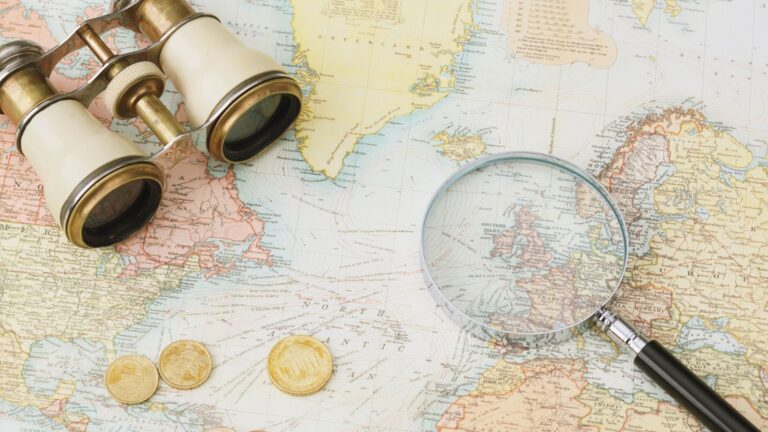
A compass and a map are reliable navigation tools that don’t rely on batteries. Learn how to use them to avoid getting lost. It can be something as basic as a button compass.
6. First Aid Kit

Injuries can happen at any time. A well-stocked first-aid kit with bandages, antiseptics, and pain relievers can help prevent minor wounds from becoming serious.
Get creative and have things like Israeli bandages and QuikClot in your first aid kit for serious, potentially life-threatening injuries. This can keep you alive long enough to get help.
7. Shelter

A reliable shelter is crucial for protection against the elements. A lightweight tent or a tarp can shield you from rain, wind, and cold.
Emergency blankets are compact, reflect body heat, and can be fashioned into a shelter, making them a lifesaver in colder conditions.
8. Cordage

Paracord is lightweight and incredibly strong. Use it to set up a shelter, create traps, or secure items. A
9. Clothing for Layering

The right clothing can protect you from harsh weather. Choose moisture-wicking base layers, insulating mid-layers, and waterproof outer layers. Your clothing is your first line of defense.
10. Flashlight or Headlamp

A dependable light source is essential for navigating in the dark. Headlamps keep your hands free, while flashlights are compact and easy to use. An LED lamp is brighter and takes less battery power, meaning it will last longer.
11. Signaling Devices

Signal mirrors, whistles, or flares can help rescuers locate you. Brightly colored gear can also increase visibility. Pack a couple of neon bandanas to make yourself more visible.
12. Bug Repellent

Bugs are more than just an annoyance. They can carry diseases. And an itchy bite that is scratched too much can crack the skin. Some people are unable to handle toxins from bug bites that penetrate the skin and can have a serious allergic reaction. Carry homemade bug repellent or tea tree oil.
13. Sunscreen

Your skin is an organ. A severe sunburn can dehydrate you or make it impossible for you to sleep. Carry sunscreen and wear it on exposed skin to make life more comfortable.
14. Survival Guide or Knowledge

A survival manual or prior training is invaluable. Learning basic skills like making fire, identifying edible plants, and building shelter can make the difference between life and death. A pocket guide is great, even if you think you know it all. It doesn’t hurt to have a backup reference.
15. Poncho

This might seem like a luxury rather than a necessity, but it serves multiple purposes. Wear a poncho to stay dry and avoid becoming hypothermic. It can also be used to carry gear or as a ground barrier.
16. Wipes

Hygiene is critical. If you don’t have access to soap and water, antibacterial wipes can keep your hands clean. You don’t want to be messing around in the muck and then eating with the same dirty hands.
17. Positive Attitude

You can’t go into a survival situation with the assumption you’re going to die. Your mind is the most powerful tool you can have along with you. A can-do spirit will help you overcome even the biggest challenges. Mind over matter is very real.