Life can feel like a constant rush between work, family responsibilities, household chores, and phone notifications. Taking time for a hobby you enjoy can give your mind a break and bring a little more pleasure to your everyday routine.
Many pastimes our grandmothers loved were inexpensive, practical, and easy to enjoy at home. From knitting and gardening to baking and puzzles, these 22 hobbies offer ways to spend less time staring at screens and more time doing something with your hands.
Knitting
Knitting gives your hands a steady task that can help you settle down after a busy day. With yarn and a pair of needles, you can make scarves, hats, blankets, and sweaters for yourself or people you love.
Related: 12 Hobbies Your Parents and Grandparents Used to Love
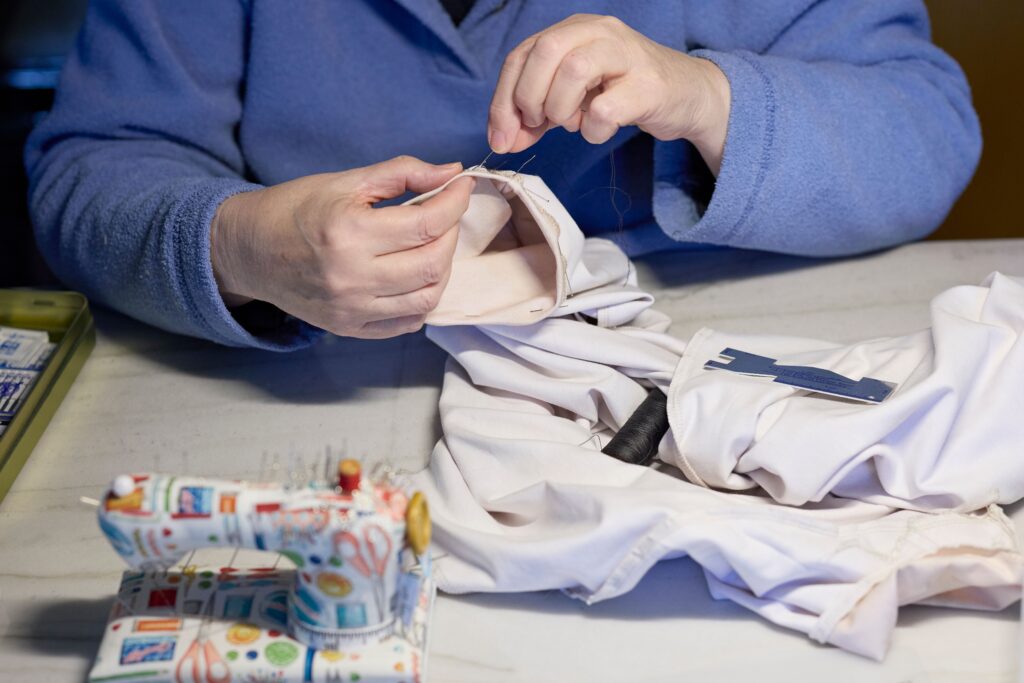
Sewing
Sewing combines creativity with practical skills that come in handy around the house. You can repair torn clothing, hem curtains, make pillow covers, or create your own garments instead of buying new ones.
Related: 21 Survival Hobbies Worth Learning Before You Need Them
Bird Watching
Bird watching gives you a reason to step outside and notice the wildlife around you. Keep a notebook of the birds you spot, learn to recognize their calls, or spend a quiet morning watching visitors in your backyard.
Related: The “Granny Era” Trend Is Bringing These 18 Forgotten Hobbies Back
Gardening
Gardening lets you spend time outdoors, get some light exercise, and watch your work grow over the weeks and months. Planting flowers, herbs, tomatoes, or leafy greens also gives you something to care for and look forward to throughout the seasons.
Related: 19 Old-Fashioned Hobbies That Can Help You Slow Down and Recharge
Playing Vinyl Records
Putting on a vinyl record encourages you to sit down and listen to an album from start to finish rather than skipping between songs. Choosing a record, lowering the needle, and enjoying your favorite music can become a relaxing ritual at the end of the day.
Candle Making
Candle making lets you experiment with wax, wicks, containers, colors, and fragrances to create something for your home. Follow the manufacturer’s heating instructions and keep hot wax away from children and pets while you work.
Jigsaw and Crossword Puzzles
Jigsaw puzzles give you a quiet activity that rewards patience, while crossword puzzles offer a chance to work with words and recall facts. Both can provide you with something enjoyable to work on at your own pace.
Reading
Reading offers a chance to step away from daily distractions and spend time with a story or subject that interests you. Whether you prefer mysteries, biographies, history, or classic novels, setting aside even a few pages each day can become a comforting habit.
Crocheting
Crocheting takes just a hook and some yarn, and beginners can start with small projects such as dishcloths or scarves. Once you get comfortable with the basic stitches, you can work on blankets, toys, bags, and decorations at home or while traveling.
Baking Bread from Scratch
Making bread gives you a hands-on activity that asks for a little patience as it rises and bakes. Mixing the ingredients, kneading the dough, and smelling a fresh loaf straight from the oven can make an ordinary afternoon feel special.
Canning and Food Preservation
Preserving fruits, vegetables, jams, and pickles can help you make the most of seasonal produce and reduce food waste. For shelf-stable canned foods, follow tested recipes and proper processing times to protect against foodborne illness.
Quilting
Quilting turns fabric pieces into blankets that can last for years and carry family memories. You can start with a basic pattern and gradually work on more detailed designs as your sewing skills grow.
Scrapbooking
Scrapbooking gives old photographs, postcards, ticket stubs, and handwritten notes a place to live outside a phone or computer. Arranging these keepsakes into an album can help you revisit favorite memories and create something your family can enjoy for years.
Weaving
Weaving turns yarn, thread, or other fibers into useful items and decorative pieces. With a small loom and a few supplies, you can make placemats, scarves, wall hangings, or table runners for your home.
Embroidery
Embroidery lets you add colorful stitches and patterns to clothing, towels, tote bags, and other fabric items. Start with a basic pattern and a few thread colors, then move on to more detailed designs as you get comfortable with the stitches.
Soap Making
Making soap lets you experiment with scents, colors, and ingredients to create bars for personal use or handmade gifts. Follow a tested recipe and the proper safety instructions, since some soap-making methods involve caustic ingredients that require careful handling.
Basket Weaving
Basket weaving combines handwork with a practical result you can use around the house. Start with a beginner’s kit or simple materials, then make baskets for storing craft supplies, holding garden produce, or organizing smato stored items.
Cross-Sthold
Cross-stitch uses organized stitches to build pictures, patterns, and decorative lettering on fabric. It’s a good choice for people who enjoy working through a project one small section at a time, whether they’re making bookmarks, ornaments, or framed artwork.
Calligraphy
Calligraphy is the art of creating decorative letters and graceful handwriting using pens or brushes. Practicing a few letters at a time can give you a relaxing creative outlet, and your finished work can add a personal touch to cards, gift tags, and handwritten notes.
Yarn Spinning
Yarn spinning turns wool or other fibers into thread that can later be used for knitting, crocheting, or weaving. A drop spindle is a good starting point for beginners who want to learn the basics before investing in a spinning wheel.
Pottery
Working with clay lets you make useful objects while enjoying a handcraft. A local pottery class or community studio can help you learn to shape bowls, mugs, planters, and ornaments without needing to buy a kiln for home use.
Macramé
Macramé uses knots to turn cord or rope into plant hangers, wall decorations, keychains, and other handmade items. Beginners can start with a few basic knots and make progress at their own pace while creating pieces for their homes or as gifts.